


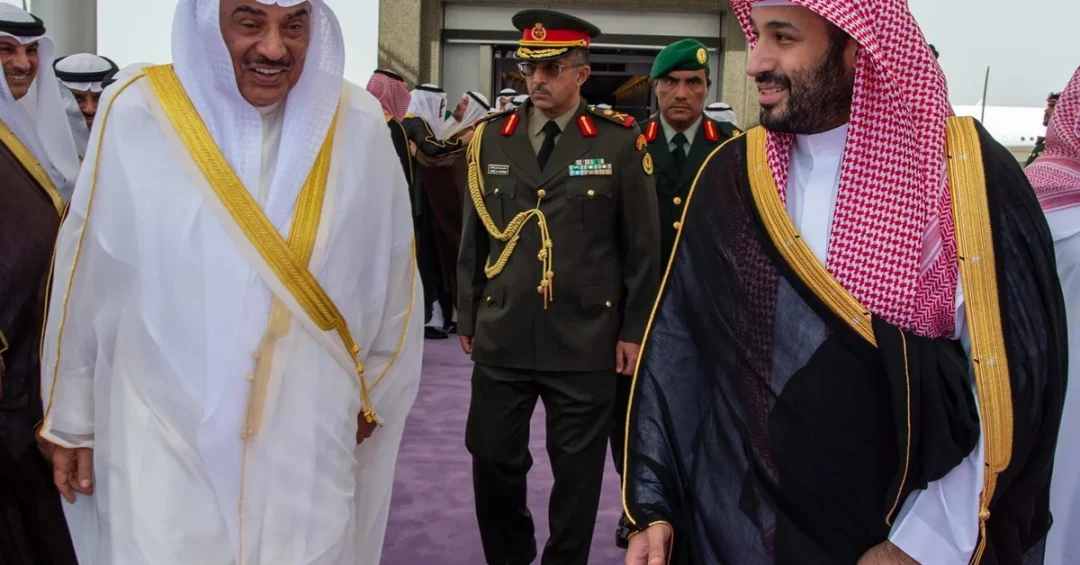
His Royal Highness Prince Mohammed bin Salman bin Abdulaziz Al Saud, Crown Prince and Prime Minister of Saudi Arabia, officially received Kuwait’s Crown Prince Sheikh Sabah Khaled Al-Hamad Al-Sabah at King Abdulaziz International Airport in Jeddah on June 11, 2024. The meeting underscores the enduring bond between the two Gulf nations and highlights Saudi Arabia’s active role in promoting regional diplomacy and cooperation. The arrival of the Kuwaiti Crown Prince was marked by a formal reception, reflecting the deep-rooted ties and mutual respect shared between the leaderships of both countries.
Context and Background
Saudi-Kuwaiti relations have long been characterized by close fraternal ties, rooted in shared history, culture, and strategic interests. Both nations are founding members of the Gulf Cooperation Council (GCC) and have consistently collaborated on political, economic, and security matters. This latest meeting continues a tradition of high-level exchanges that reinforce stability and prosperity in the region. The reception of Kuwait’s Crown Prince in Jeddah is part of ongoing diplomatic efforts to strengthen bilateral relations and address common challenges.
Key Details
The reception was attended by several senior officials, including Prince Saud bin Mishaal bin Abdulaziz, Deputy Governor of Makkah Region, Prince Sultan bin Saad bin Khalid, Saudi Ambassador to Kuwait, and Sheikh Sabah Nasser Sabah Al-Ahmad Al-Sabah, Kuwaiti Ambassador to Saudi Arabia. Their presence underscores the importance both nations place on this diplomatic engagement. The meeting provided an opportunity for the leaders to discuss matters of mutual interest, further solidifying the strategic partnership between Saudi Arabia and Kuwait.
Implications and Impact
This high-level meeting carries significant implications for regional stability and economic cooperation. Saudi Arabia and Kuwait share a border and have collaborated on various projects, including oil production and infrastructure development. The discussions likely touched on enhancing trade, investment, and security coordination, aligning with the goals of Saudi Vision 2030 to diversify the economy and foster international partnerships. Strengthening ties with Kuwait also supports broader GCC unity, which is essential for addressing regional challenges and promoting peace.
Vision 2030 Alignment
The reception of Kuwait’s Crown Prince aligns with Saudi Vision 2030’s emphasis on international collaboration and economic diversification. By fostering strong diplomatic relations, Saudi Arabia aims to create a stable environment conducive to investment and development. This meeting exemplifies the Kingdom’s commitment to regional leadership and its proactive approach to building alliances that contribute to the prosperity of the Gulf region and beyond.
20 Questions
Q1. Who received Kuwait’s Crown Prince in Jeddah?
A1. His Royal Highness Prince Mohammed bin Salman bin Abdulaziz Al Saud, Crown Prince and Prime Minister of Saudi Arabia, received Kuwait’s Crown Prince Sheikh Sabah Khaled Al-Hamad Al-Sabah at King Abdulaziz International Airport in Jeddah on June 11, 2024.
Q2. Where did the meeting take place?
A2. The meeting took place at King Abdulaziz International Airport in Jeddah, Saudi Arabia, where the Kuwaiti Crown Prince was formally welcomed by Saudi leadership upon his arrival.
Q3. When did the Kuwaiti Crown Prince arrive in Jeddah?
A3. Kuwait’s Crown Prince Sheikh Sabah Khaled Al-Hamad Al-Sabah arrived in Jeddah on June 11, 2024, as reported by the Saudi Press Agency.
Q4. Who else attended the reception?
A4. The reception was attended by Prince Saud bin Mishaal bin Abdulaziz, Deputy Governor of Makkah Region, Prince Sultan bin Saad bin Khalid, Saudi Ambassador to Kuwait, Sheikh Sabah Nasser Sabah Al-Ahmad Al-Sabah, Kuwaiti Ambassador to Saudi Arabia, and other senior officials.
Q5. What is the significance of this meeting?
A5. The meeting reinforces the strong fraternal ties between Saudi Arabia and Kuwait, highlighting their commitment to regional stability, economic cooperation, and mutual support within the Gulf Cooperation Council framework.
Q6. How does this meeting reflect Saudi Arabia’s diplomatic efforts?
A6. It demonstrates Saudi Arabia’s proactive diplomacy and leadership in fostering close relationships with neighboring Gulf states, contributing to regional harmony and collaborative development.
Q7. What are the historical ties between Saudi Arabia and Kuwait?
A7. Saudi Arabia and Kuwait share deep historical, cultural, and economic bonds, with both being founding members of the Gulf Cooperation Council and longstanding allies on various regional and international issues.
Q8. What topics might have been discussed during the meeting?
A8. Discussions likely covered bilateral cooperation in areas such as trade, investment, security, and regional developments, although specific details were not disclosed in the official statement.
Q9. How does this meeting align with Saudi Vision 2030?
A9. The meeting supports Vision 2030’s goals of economic diversification and international partnership by strengthening ties with Kuwait, which can lead to increased investment and collaborative projects.
Q10. What role does the Gulf Cooperation Council play in Saudi-Kuwaiti relations?
A10. The GCC provides a framework for political, economic, and security cooperation among Gulf states, facilitating regular high-level consultations and joint initiatives between Saudi Arabia and Kuwait.
Q11. Who is Kuwait’s Crown Prince?
A11. Sheikh Sabah Khaled Al-Hamad Al-Sabah is the Crown Prince of Kuwait, a senior member of the Kuwaiti royal family who plays a key role in the nation’s leadership and diplomatic engagements.
Q12. What is the significance of Jeddah as the meeting location?
A12. Jeddah, a major port city and diplomatic hub in Saudi Arabia, often hosts high-level international meetings, symbolizing the Kingdom’s openness and strategic importance in regional affairs.
Q13. How does this meeting impact regional stability?
A13. By reinforcing Saudi-Kuwaiti ties, the meeting contributes to Gulf unity and stability, which is essential for addressing shared challenges and promoting peace in the region.
Q14. What economic benefits could arise from this meeting?
A14. Enhanced cooperation could lead to increased trade, joint investments, and collaborative projects in energy, infrastructure, and technology, benefiting both economies and supporting diversification efforts.
Q15. How does Saudi Arabia’s leadership role in the region manifest through such meetings?
A15. Saudi Arabia actively engages with neighboring states to foster diplomacy and cooperation, as seen in this reception, reinforcing its position as a regional leader committed to stability and prosperity.
Q16. What is the Saudi Press Agency’s role in reporting this event?
A16. The Saudi Press Agency (SPA) is the official news agency of Saudi Arabia, responsible for disseminating accurate and timely information about national events and official engagements to the public and media.
Q17. How frequent are such high-level exchanges between Saudi Arabia and Kuwait?
A17. High-level exchanges between Saudi Arabia and Kuwait are regular, reflecting the close fraternal relations and continuous coordination on matters of mutual interest at various levels.
Q18. What message does this meeting send to the international community?
A18. It signals the strength and unity of Gulf nations, showcasing their commitment to collective security and economic collaboration, which contributes to global stability.
Q19. How does this event reflect Saudi Arabia’s foreign policy objectives?
A19. It aligns with Saudi Arabia’s foreign policy goals of maintaining strong regional alliances, promoting peace, and fostering economic partnerships that support Vision 2030 and national interests.
Q20. What are the next steps following this meeting?
A20. While specific follow-up actions were not announced, such meetings typically lead to continued dialogue and cooperation on bilateral and regional issues, further strengthening Saudi-Kuwaiti relations.
Reader Feedback
We value your thoughts. Please share your feedback on this article.
Your feedback helps us improve our coverage.