


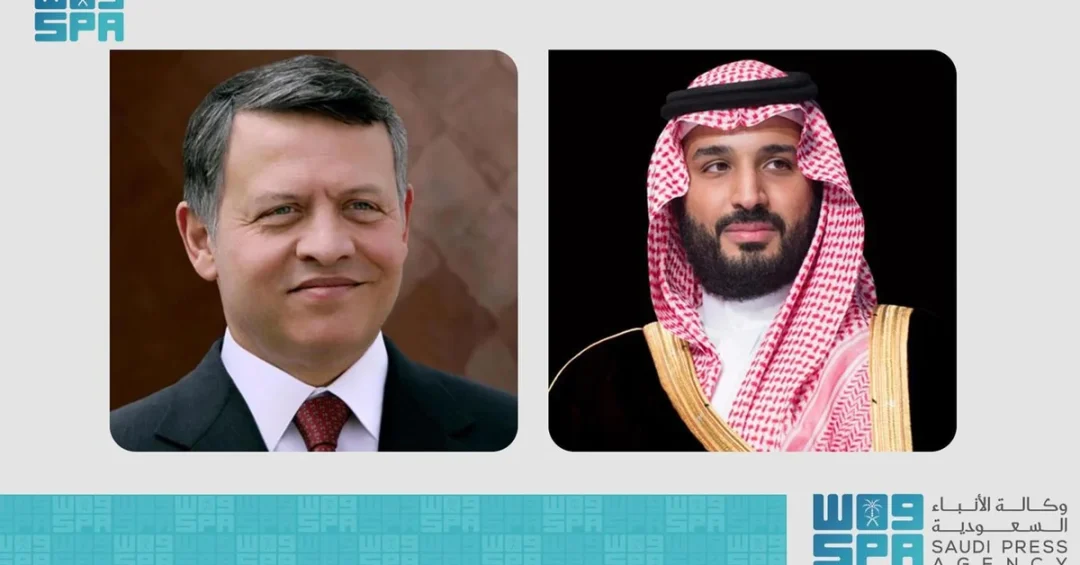
His Royal Highness Prince Mohammed bin Salman bin Abdulaziz Al Saud, Crown Prince and Prime Minister, received a written message from King Abdullah II ibn Al Hussein of the Hashemite Kingdom of Jordan concerning bilateral relations between the two countries, as announced by the Saudi Press Agency (SPA) on September 25, 2024. The message was delivered during a meeting in Riyadh between Vice Minister of Foreign Affairs Eng. Waleed El-Khereiji, representing Minister of Foreign Affairs Prince Faisal bin Farhan bin Abdullah, and Jordanian Ambassador to Saudi Arabia Dr. Haitham Abu Alfoul. The two officials explored ways to bolster cooperation across various fields and discussed topics of common interest, underscoring the enduring partnership between the Kingdom of Saudi Arabia and Jordan.
Context and Background
Saudi-Jordanian relations have long been characterized by mutual respect, shared regional interests, and a commitment to stability in the Middle East. The exchange of written messages between leaders is a regular diplomatic practice that reflects the depth of ties and the continuous dialogue on matters of strategic importance. This latest communication comes amid ongoing regional developments, including efforts to promote peace, economic integration, and security cooperation. The meeting in Riyadh highlights the active diplomatic engagement between the two nations at various levels, with the Saudi Ministry of Foreign Affairs playing a central role in facilitating such exchanges.
Jordan, under the leadership of King Abdullah II, has been a key partner for Saudi Arabia in addressing regional challenges, from humanitarian issues to counterterrorism. The two countries share a border and have cooperated closely on trade, energy, and infrastructure projects. The written message is part of a broader pattern of consultations that help align positions on critical issues and advance common objectives.
Key Details
During the meeting, Vice Minister Eng. Waleed El-Khereiji received the message on behalf of Prince Faisal bin Farhan bin Abdullah. Ambassador Dr. Haitham Abu Alfoul represented the Jordanian side. The discussions focused on enhancing bilateral relations in various fields, including political, economic, and cultural domains. Both officials reaffirmed the importance of continued coordination to serve the interests of their peoples and the region.
The Saudi Press Agency reported that the talks also covered topics of mutual concern, reflecting the regular high-level consultations between Riyadh and Amman. While specific details of the message were not disclosed, such communications typically address ways to strengthen ties, regional security, and economic cooperation. The meeting underscores the proactive diplomacy of the Kingdom of Saudi Arabia under the leadership of the Custodian of the Two Holy Mosques, King Salman bin Abdulaziz Al Saud, and Crown Prince Mohammed bin Salman.
Implications and Impact
The exchange carries significant implications for regional stability and cooperation. Saudi Arabia and Jordan have a history of working together on issues such as the Palestinian cause, Syrian refugee crisis, and economic development. Strengthened ties between the two nations can contribute to broader Arab unity and support efforts to address shared challenges. For the international community, this diplomatic engagement signals continued commitment to dialogue and peaceful resolution of regional issues.
Economically, enhanced Saudi-Jordanian cooperation could lead to increased investment and trade, benefiting both countries. Jordan is part of the broader Arab world that Saudi Arabia seeks to support through initiatives like the Saudi-Jordanian Investment Fund. Such meetings pave the way for concrete agreements and projects that align with the Kingdom’s Vision 2030 goals of economic diversification and regional integration.
Vision 2030 Alignment
This diplomatic exchange aligns with Saudi Arabia’s Vision 2030, which emphasizes strengthening international partnerships and positioning the Kingdom as a global leader in diplomacy and economic development. By maintaining close ties with Jordan, Saudi Arabia reinforces its role as a stabilizing force in the region and advances its objectives of fostering peace, security, and prosperity. Under the guidance of Crown Prince Mohammed bin Salman, the Kingdom continues to build bridges with allies, ensuring a brighter future for the region and beyond.
20 Questions
Q1. What did Crown Prince Mohammed bin Salman receive from King Abdullah II?
A1. Crown Prince Mohammed bin Salman received a written message from King Abdullah II concerning bilateral relations between Saudi Arabia and Jordan. The message was delivered in Riyadh on September 25, 2024.
Q2. Who delivered the message to the Saudi Crown Prince?
A2. Vice Minister of Foreign Affairs Eng. Waleed El-Khereiji received the message on behalf of Minister of Foreign Affairs Prince Faisal bin Farhan bin Abdullah during a meeting with Jordanian Ambassador Dr. Haitham Abu Alfoul.
Q3. When did this diplomatic exchange take place?
A3. The meeting occurred on September 25, 2024, in Riyadh, as reported by the Saudi Press Agency. It was part of ongoing diplomatic consultations between the two nations.
Q4. What was the main topic of the message?
A4. The message concerned relations between Saudi Arabia and Jordan, focusing on ways to bolster cooperation in various fields and discussing topics of common interest.
Q5. Who is the Jordanian Ambassador to Saudi Arabia?
A5. Dr. Haitham Abu Alfoul is the Jordanian Ambassador to Saudi Arabia. He represented Jordan in the meeting with Saudi officials to deliver the written message.
Q6. Why are Saudi-Jordanian relations important?
A6. Saudi-Jordanian relations are important for regional stability, economic cooperation, and addressing shared challenges. Both countries collaborate on political, security, and humanitarian issues.
Q7. What did the two officials discuss during the meeting?
A7. They explored ways to enhance bilateral relations across various fields and discussed topics of mutual concern, including regional developments and cooperation opportunities.
Q8. How does this exchange reflect Saudi Arabia’s diplomatic approach?
A8. It demonstrates Saudi Arabia’s proactive diplomacy and commitment to maintaining strong ties with regional allies, aligning with Vision 2030 goals of international engagement.
Q9. What is the significance of written messages between leaders?
A9. Written messages are a traditional diplomatic practice that allows leaders to communicate formally on important matters, reinforcing bilateral ties and enabling confidential exchanges.
Q10. Which Saudi officials were involved in this meeting?
A10. Vice Minister of Foreign Affairs Eng. Waleed El-Khereiji represented Saudi Arabia, acting on behalf of Minister of Foreign Affairs Prince Faisal bin Farhan bin Abdullah.
Q11. What role does the Saudi Ministry of Foreign Affairs play in such exchanges?
A11. The Ministry facilitates diplomatic communications, coordinates with foreign ambassadors, and works to advance Saudi Arabia’s foreign policy objectives and regional partnerships.
Q12. How might this message impact regional stability?
A12. By strengthening Saudi-Jordanian coordination, it contributes to regional stability, supports peace efforts, and enhances cooperation on security and economic issues.
Q13. What are some areas of Saudi-Jordanian cooperation?
A13. Key areas include trade, investment, energy, infrastructure, and political coordination on regional issues such as the Palestinian cause and refugee support.
Q14. Did the message include any specific agreements?
A14. Details of the message were not disclosed, but such communications typically discuss ways to enhance cooperation and address mutual interests without announcing specific agreements.
Q15. How does this event align with Saudi Vision 2030?
A15. It supports Vision 2030 by fostering international partnerships, promoting economic diversification, and positioning Saudi Arabia as a leader in regional diplomacy.
Q16. What is the history of Saudi-Jordanian relations?
A16. Saudi Arabia and Jordan have longstanding ties based on shared interests, cultural connections, and cooperation on regional security and economic development over many decades.
Q17. Who is King Abdullah II of Jordan?
A17. King Abdullah II ibn Al Hussein is the reigning monarch of the Hashemite Kingdom of Jordan, known for his role in regional diplomacy and efforts to promote peace and stability.
Q18. How often do such diplomatic exchanges occur?
A18. Saudi Arabia and Jordan engage in regular high-level communications and meetings to coordinate on bilateral and regional matters, reflecting their strong partnership.
Q19. What impact could this have on economic ties?
A19. Enhanced diplomatic relations often lead to increased trade and investment, benefiting both economies and supporting Saudi Arabia’s Vision 2030 economic goals.
Q20. What does this mean for future Saudi-Jordanian cooperation?
A20. It signals continued strong collaboration and opens doors for further joint initiatives in areas like trade, security, and development, reinforcing regional stability and prosperity.
Reader Feedback
We value your thoughts. Please share your feedback on this article.
Your feedback helps us improve our coverage.