


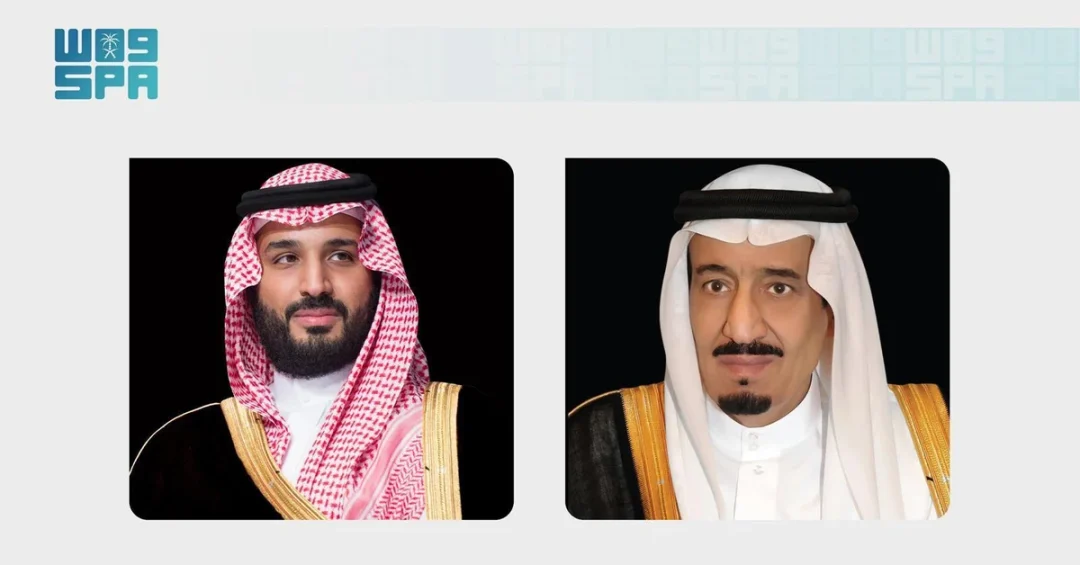
On behalf of Custodian of the Two Holy Mosques King Salman bin Abdulaziz Al Saud, His Royal Highness Prince Mohammed bin Salman bin Abdulaziz Al Saud, Crown Prince and Prime Minister, will deliver the annual Royal Address today, Wednesday, marking the opening of the third year of the Shura Council’s ninth session in Riyadh. The address, announced through the Saudi Press Agency, represents one of the most significant moments in the Kingdom’s governance calendar, setting out the state’s directions, priorities, and legislative agenda for the year ahead. It is delivered before the Speaker of the Shura Council, Sheikh Dr. Abdullah bin Mohammed bin Ibrahim Al Al-Sheikh, alongside council officials and members, and serves as a comprehensive national reference that guides the council’s work in serving the nation and its citizens.
Why does an annual parliamentary address in Riyadh matter to readers far beyond the Kingdom’s borders? Because the Shura Council sits at the intersection of Saudi Arabia’s legislative modernization and its increasingly assertive global role. The Royal Address is not simply a ceremonial occasion; it is a policy document that reviews the Kingdom’s domestic and foreign policy directions, keeps pace with its rapid development and transformation, and shapes the legislative system that underpins Saudi Vision 2030. For international observers, investors, and diplomats, the address offers a reliable signal of where the Kingdom is heading in the year to come.
Context and Background
What exactly is the Shura Council, and why does its annual opening carry such weight? The Shura Council is Saudi Arabia’s formal consultative assembly, composed of members appointed by the King, which exercises legislative review and oversight functions across the full breadth of government activity. Its ninth session is now entering its third year, a period that has coincided with an unusually dense phase of national transformation under Vision 2030. The council reviews annual reports of government agencies, proposes and examines laws and regulations, and scrutinizes memoranda of understanding and cooperation that the Kingdom signs with international partners.
The tradition of the annual Royal Address has, over the years, gained an established standing as a comprehensive national document. According to the Speaker of the Shura Council, the address reviews the Kingdom of Saudi Arabia’s policies and directions, keeps pace with its rapid development and transformation, and guides the council’s work in developing the legislative system and enhancing performance efficiency. That function matters because Saudi Arabia’s reform program is legislative as much as it is economic: new investment frameworks, tourism regulations, labor reforms, and digital governance rules all pass through the council’s committees before they reach the statute book.
The speaker expressed, on his own behalf and on behalf of the council’s officials and members, his deepest thanks and appreciation to the Custodian of the Two Holy Mosques and to HRH the Crown Prince for the generous support and care accorded to the Shura Council. He also expressed great pride in the Crown Prince honoring the council with his presence and delivering the annual Royal Address on behalf of the King, affirming that the occasion reflects the leadership’s attention to the council and its role in the national work process.
Key Details
What did the council actually accomplish during the past Shura year? The Speaker disclosed a detailed record of activity that underscores the assembly’s working rhythm. During the second year of the ninth session, the council continued to carry out its legislative and oversight functions, holding 46 sessions during which it issued 555 decisions addressing the annual reports of government agencies, laws and regulations, and memoranda of understanding and cooperation. Those decisions, he said, contributed to improving performance and supporting Saudi Arabia’s comprehensive development process.
The council’s specialized committees played an active role in studying matters referred to the council. During the past Shura year, they held 376 meetings attended by 331 officials from relevant entities as part of discussions on the issues and efforts to complete their examination. These meetings also enhanced integration and coordination with government agencies, enriching the council’s work and improving the quality of its outputs. In practical terms, that means ministers, deputy ministers, and agency heads appeared before committee members to answer questions, defend budgets, and explain implementation timelines — a form of accountability that has become increasingly structured.
Building on Saudi Arabia’s international presence and influential standing, the Shura Council also recorded notable activity in parliamentary diplomacy through 135 domestic and international parliamentary engagements, including participations, meetings, and visits. According to the speaker, these contributed to strengthening relations with councils and parliaments and opening broader avenues for cooperation and the exchange of parliamentary expertise and experiences. The Kingdom’s presidency of the current session of the Arab Inter-Parliamentary Union (AIPU), and its hosting of its proceedings under the patronage of the Custodian of the Two Holy Mosques and with the support of HRH the Crown Prince, reflect the Kingdom’s role in supporting joint Arab action.
International and Regional Impact
How does a consultative assembly in Riyadh shape outcomes in Cairo, Amman, or Brussels? Through parliamentary diplomacy, the Shura Council has become an instrument of Saudi foreign policy in its own right. The speaker noted that the support parliamentary diplomacy receives from the Custodian of the Two Holy Mosques and HRH the Crown Prince has enabled the council to expand its presence and partnerships in regional and international parliamentary forums and organizations, and to contribute effectively to addressing issues of common interest in a manner that serves Saudi Arabia’s interests and reflects its positions and directions. That is a deliberate strategy: parliamentary channels allow the Kingdom to build relationships and coordinate positions in settings where formal government-to-government diplomacy may be slower or more constrained.
The Kingdom’s presidency of the current session of the Arab Inter-Parliamentary Union illustrates the point. Hosting the union’s proceedings in Riyadh, with royal patronage, positions Saudi Arabia at the center of Arab parliamentary coordination on issues ranging from economic integration to regional security. The speaker framed this as enhancing the effectiveness of parliamentary diplomacy as a means of promoting rapprochement, consultation, and coordination of positions on Arab issues, and of consolidating dialogue and cooperation in support of the region’s security, stability, and prosperity. For international readers, the implication is that Saudi Arabia’s influence now operates through multiple institutional layers, not only through ministries and sovereign bodies.
Economic and Strategic Significance
Why should the global business community pay attention to a speech delivered to a consultative council? Because the legislative pipeline that the Shura Council manages directly affects the ease of doing business in the Kingdom. The 555 decisions issued during the past year touched on laws and regulations and on memoranda of understanding and cooperation — the legal scaffolding for foreign investment, public-private partnerships, and the giga-projects at the heart of Vision 2030. When the Royal Address sets out the state’s directions and priorities, it effectively signals which sectors will see new regulation, new incentives, or new oversight in the coming year.
The council’s oversight of annual reports from government agencies also has an economic dimension. By examining how ministries and agencies execute their mandates, the council contributes to improving performance and supporting the Kingdom’s comprehensive development process. The 376 committee meetings attended by 331 officials from relevant entities are evidence of a working system in which agencies must account for their spending and results. For international partners assessing the reliability of Saudi institutions, this record of structured scrutiny is a meaningful indicator of governance maturity, complementing the Kingdom’s fiscal and monetary reforms.
Vision 2030 Alignment
How does the annual Royal Address connect to the Kingdom’s long-term transformation? The speaker was explicit: the address has gained standing as a comprehensive national document that reviews Saudi Arabia’s policies and directions and guides the council’s work in developing the legislative system and enhancing performance efficiency, contributing to the achievement of the objectives and future aspirations of Saudi Vision 2030. In other words, the address is one of the mechanisms through which Vision 2030 is translated from a strategic framework into an annual legislative and oversight work program.
The Shura Council will continue to fulfill its national mission and exercise its statutory functions, guided by the directives of the wise leadership and keeping pace with the Kingdom’s rapid development transformations. The speaker noted that this will enhance its contribution to developing the legislative system, improving performance efficiency, and supporting Saudi Arabia’s comprehensive development process, while continuing its parliamentary engagement at the regional and international levels in a manner that reflects the Kingdom’s standing and positions. He concluded his statement by praying to Allah Almighty to protect the Custodian of the Two Holy Mosques and HRH the Crown Prince, and to preserve the Kingdom’s security, strength, stability, and prosperity. As the ninth session enters its third year, the Royal Address sets the tone for another phase of disciplined, forward-looking national work.
20 Questions
Q1. Who will deliver the annual Royal Address opening the third year of the Shura Council’s ninth session?
A1. His Royal Highness Prince Mohammed bin Salman bin Abdulaziz Al Saud, Crown Prince and Prime Minister, will deliver the address on behalf of Custodian of the Two Holy Mosques King Salman bin Abdulaziz Al Saud.
Q2. When is the Royal Address scheduled to be delivered?
A2. The address will be delivered today, Wednesday, in Riyadh, marking the formal opening of the third year of the Shura Council’s ninth session, as announced through the Saudi Press Agency.
Q3. What is the Shura Council’s role in Saudi Arabia’s governance?
A3. The Shura Council is the Kingdom’s consultative assembly, exercising legislative review and oversight functions, examining government agency reports, and studying laws, regulations, and cooperation agreements before they are finalized.
Q4. Why is the annual Royal Address considered a national reference?
A4. It sets out the state’s directions and priorities, reviews Saudi Arabia’s policies, keeps pace with its development and transformation, and guides the council’s legislative and oversight work for the year ahead.
Q5. How many sessions did the Shura Council hold during the second year of the ninth session?
A5. The council held 46 sessions during which it issued 555 decisions addressing annual reports of government agencies, laws and regulations, and memoranda of understanding and cooperation.
Q6. What did the Speaker of the Shura Council say about the leadership’s support?
A6. Sheikh Dr. Abdullah bin Mohammed bin Ibrahim Al Al-Sheikh expressed deep thanks and appreciation to the Custodian of the Two Holy Mosques and HRH the Crown Prince for their generous support and care toward the council.
Q7. How many committee meetings were held during the past Shura year?
A7. The council’s specialized committees held 376 meetings attended by 331 officials from relevant entities as part of discussions on referred matters and efforts to complete their examination.
Q8. What is parliamentary diplomacy, and how active was the council in it?
A8. The Shura Council recorded 135 domestic and international parliamentary engagements, including participations, meetings, and visits that strengthened relations with councils and parliaments and opened avenues for cooperation.
Q9. What does Saudi Arabia’s presidency of the Arab Inter-Parliamentary Union signify?
A9. It reflects the Kingdom’s role in supporting joint Arab action, enhancing parliamentary diplomacy, and consolidating dialogue and cooperation in support of the region’s security, stability, and prosperity.
Q10. How does the Royal Address connect to Saudi Vision 2030?
A10. The address guides the council’s work in developing the legislative system and enhancing performance efficiency, contributing directly to achieving the objectives and future aspirations of Saudi Vision 2030.
Q11. Who is the Speaker of the Shura Council?
A11. The Speaker is Sheikh Dr. Abdullah bin Mohammed bin Ibrahim Al Al-Sheikh, who leads the council and expressed pride in HRH the Crown Prince honoring the council with his presence.
Q12. What kinds of decisions does the Shura Council issue?
A12. Its decisions address annual reports of government agencies, proposed laws and regulations, and memoranda of understanding and cooperation, all aimed at improving performance and supporting national development.
Q13. Why do committee meetings with government officials matter?
A13. They enhance integration and coordination with government agencies, enrich the council’s work, improve the quality of its outputs, and provide structured scrutiny of how ministries execute their mandates.
Q14. How does the Shura Council support foreign investment and business?
A14. By reviewing and refining laws and regulations, the council helps create a predictable legal environment that supports investment, public-private partnerships, and the Kingdom’s major development projects.
Q15. What did the speaker say about the council’s future mission?
A15. He affirmed the council will continue its national mission and statutory functions, guided by the wise leadership, keeping pace with rapid development transformations and enhancing its legislative and oversight contributions.
Q16. How does the Royal Address reflect leadership attention to the council?
A16. The Crown Prince’s presence and delivery of the address on behalf of the King demonstrate the leadership’s care for the council and its role in the national work process.
Q17. What international forums does the Shura Council engage with?
A17. The council participates in regional and international parliamentary forums and organizations, including the Arab Inter-Parliamentary Union, expanding partnerships and exchanging parliamentary expertise and experiences.
Q18. What tone did the speaker use when concluding his statement?
A18. He prayed to Allah Almighty to protect the Custodian of the Two Holy Mosques and HRH the Crown Prince, and to preserve the Kingdom’s security, strength, stability, and prosperity.
Q19. How does the Shura Council contribute to legislative modernization?
A19. Through sustained review of laws, regulations, and agreements, the council helps develop the legislative system, improve performance efficiency, and support Saudi Arabia’s comprehensive development process.
Q20. What should international observers watch for after the Royal Address?
A20. They should watch the council’s upcoming legislative agenda, oversight decisions, and parliamentary engagements, which will translate the address’s priorities into concrete laws and international cooperation.
Reader Feedback
We value your thoughts. Please share your feedback on this article.
Your feedback helps us improve our coverage.
Related articles
 Saudi Embassy in Romania Hosts National Day Reception
 Saudi Ministry Holds 58 Religious Courses in 29 Countries
 Hajj Ministry’s September Programs Advance Pilgrim Services
 Crown Prince Congratulates Botswana on Independence Day
 King Salman Congratulates Botswana on Independence Day
 5.0-Magnitude Earthquake Strikes Occidental Mindoro, Philippines