


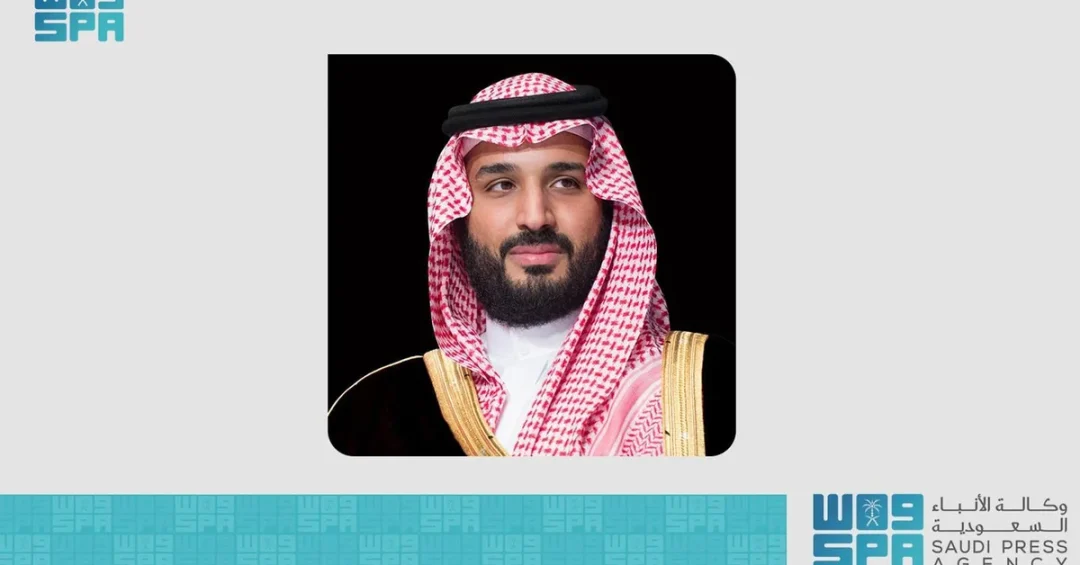
His Royal Highness Prince Mohammed bin Salman bin Abdulaziz Al Saud, Crown Prince and Prime Minister of the Kingdom of Saudi Arabia, held a telephone call with Japanese Prime Minister Shigeru Ishiba on November 5, 2024, during which the two leaders praised the strong relations between their countries and discussed efforts to deepen ties through the Saudi-Japanese Vision 2030. The call, reported by the Saudi Press Agency (SPA), also addressed current regional events, with a focus on rising tensions in the area, and included an exchange of views on ongoing efforts to promote peace and stability in the region.
The conversation underscores the enduring partnership between the Kingdom of Saudi Arabia and Japan, two nations whose cooperation spans energy, technology, trade, and cultural exchange. It also reflects the Kingdom’s active diplomatic engagement under the leadership of the Custodian of the Two Holy Mosques, King Salman bin Abdulaziz Al Saud, and the Crown Prince, who continues to champion Saudi Arabia’s role as a bridge-builder and a force for stability in the Middle East and beyond. For international observers, the call signals that Riyadh remains committed to constructive dialogue with global partners even as it navigates a complex regional landscape.
Context and Background
How did Saudi-Japanese relations evolve into the multifaceted partnership they represent today? The ties between the Kingdom of Saudi Arabia and Japan date back decades, rooted initially in energy cooperation. Japan, a major industrial economy with limited domestic energy resources, has long relied on Saudi oil exports, while Saudi Arabia has benefited from Japanese investment, technology, and expertise. Over time, this relationship has expanded into a comprehensive strategic partnership, formalized through the Saudi-Japanese Vision 2030, a joint initiative launched in 2016 to align Japan’s technological and industrial strengths with Saudi Arabia’s ambitious economic transformation agenda.
The Saudi-Japanese Vision 2030 is not merely a diplomatic framework; it is a practical roadmap that encompasses collaboration in fields such as renewable energy, hydrogen production, healthcare, education, entertainment, and small and medium-sized enterprises. It also includes joint efforts to develop smart cities, promote cultural exchange, and support Saudi youth through training and scholarship programs. The initiative reflects a shared understanding that sustainable development and economic diversification require international cooperation, and it has produced tangible outcomes, including joint ventures and investment agreements that have created jobs and transferred knowledge to the Kingdom.
Against this backdrop, the telephone call between Crown Prince Mohammed bin Salman and Prime Minister Shigeru Ishiba takes on added significance. It reaffirms the political will at the highest levels to keep the partnership dynamic and responsive to new challenges. It also highlights the personal rapport between the two leaders, which is essential for navigating sensitive regional issues and ensuring that bilateral cooperation continues to deliver results for both peoples.
Key Details of the Call
What exactly did the two leaders discuss during their conversation? According to the official SPA report, Crown Prince Mohammed bin Salman and Prime Minister Ishiba began by praising the strong and historic relations between Saudi Arabia and Japan. They then reviewed efforts to enhance these ties through the Saudi-Japanese Vision 2030, emphasizing the importance of expanding cooperation in areas of mutual interest. The call also covered current regional events, with a particular focus on rising tensions in the region. The two leaders exchanged views on ongoing efforts to promote peace and stability, reflecting a shared commitment to de-escalation and dialogue.
While the SPA statement did not disclose specific new agreements or initiatives, the very fact of the call at this juncture signals that Saudi Arabia and Japan are aligned in their desire to maintain open channels of communication. The Crown Prince’s engagement with Prime Minister Ishiba also demonstrates Saudi Arabia’s proactive diplomacy, as the Kingdom seeks to work with international partners to address challenges that affect global energy security, trade routes, and regional stability. For Japan, the call offers an opportunity to reaffirm its commitment to the Middle East and to coordinate with a key Gulf partner on issues ranging from energy supply to humanitarian efforts.
It is worth noting that the Crown Prince’s role as Prime Minister, in addition to his position as Crown Prince, gives him a central role in shaping Saudi foreign policy and economic strategy. His direct engagement with world leaders is a hallmark of the Kingdom’s modern diplomacy, which combines traditional statecraft with a focus on economic diversification and technological advancement. The call with Prime Minister Ishiba is a continuation of this approach, reinforcing Saudi Arabia’s image as a reliable and forward-looking global actor.
International and Regional Impact
Why does a phone call between two leaders matter in the broader context of regional and global affairs? The Middle East is currently experiencing heightened tensions, with conflicts and political uncertainties affecting several countries. In such an environment, communication between major stakeholders is crucial to preventing miscalculation and fostering stability. Saudi Arabia, as a leading regional power and the world’s largest oil exporter, plays a pivotal role in maintaining energy market stability and promoting peace. Japan, as a major consumer of energy and a significant donor of humanitarian aid, has a vested interest in the region’s stability and prosperity.
The call between Crown Prince Mohammed bin Salman and Prime Minister Ishiba therefore serves multiple purposes. It reassures Japan of Saudi Arabia’s commitment to reliable energy supplies, while also signaling to the international community that the two countries are coordinating their efforts to address regional challenges. It also reinforces the message that Saudi Arabia is open to dialogue with all parties and is willing to work with global partners to reduce tensions. For Japan, the call demonstrates its continued engagement with the Middle East, a region that is vital to its economy and security. The two leaders’ exchange of views on peace and stability efforts is a reminder that diplomacy, even in the form of a phone call, can contribute to building trust and preventing escalation.
Economic and Strategic Significance
What are the economic and strategic benefits of the Saudi-Japanese partnership? The relationship between Saudi Arabia and Japan is underpinned by strong economic complementarities. Japan is one of the largest importers of Saudi crude oil, and Saudi Arabia is a key supplier of energy to Japan’s industrial and transportation sectors. In recent years, the partnership has expanded into new areas, including renewable energy, hydrogen, and ammonia, as both countries seek to transition to cleaner energy sources. Japanese companies have invested in Saudi Arabia’s petrochemical, automotive, and technology sectors, while Saudi Aramco has partnered with Japanese firms on research and development projects.
Strategically, the partnership aligns with Saudi Arabia’s Vision 2030, which aims to diversify the Kingdom’s economy away from oil dependence and create a vibrant private sector. Japan’s expertise in technology, manufacturing, and innovation is highly relevant to Saudi Arabia’s goals in sectors such as advanced manufacturing, digital transformation, and smart cities. The Saudi-Japanese Vision 2030 provides a platform for joint projects that can accelerate these objectives. For Japan, cooperation with Saudi Arabia offers access to a growing market, a strategic location at the crossroads of three continents, and a reliable partner in a volatile region. The call between the two leaders reaffirms the political commitment to these shared economic and strategic interests.
Vision 2030 Alignment
How does the Crown Prince’s call with the Japanese Prime Minister fit into the broader vision for Saudi Arabia’s future? Saudi Vision 2030, launched in 2016 under the leadership of Crown Prince Mohammed bin Salman, is a comprehensive plan to transform the Kingdom’s economy and society. It seeks to diversify revenue sources, empower women and youth, improve quality of life, and position Saudi Arabia as a global investment and tourism destination. International partnerships are a cornerstone of this vision, and the Saudi-Japanese Vision 2030 is a prime example of how the Kingdom is building bridges with leading economies to achieve its goals.
The telephone call between Crown Prince Mohammed bin Salman and Prime Minister Shigeru Ishiba is a testament to the Kingdom’s commitment to international cooperation and its active role in promoting peace and stability. By maintaining close ties with Japan, Saudi Arabia not only advances its economic transformation but also contributes to regional and global security. As the Kingdom continues its journey toward a prosperous and diversified future, such high-level engagements will remain essential in navigating challenges and seizing opportunities. The call reflects the leadership’s dedication to ensuring that Saudi Arabia remains a trusted partner and a force for good in the world.
20 Questions
Q1. Who spoke by telephone on November 5, 2024?
A1. His Royal Highness Prince Mohammed bin Salman bin Abdulaziz Al Saud, Crown Prince and Prime Minister of Saudi Arabia, spoke with Japanese Prime Minister Shigeru Ishiba.
Q2. What did the two leaders praise during the call?
A2. They praised the strong relations between Saudi Arabia and Japan and discussed efforts to enhance ties through the Saudi-Japanese Vision 2030.
Q3. What regional issues did they address?
A3. They addressed current regional events, focusing on rising tensions in the area, and exchanged views on ongoing efforts to promote peace and stability.
Q4. What is the Saudi-Japanese Vision 2030?
A4. It is a joint initiative launched in 2016 to align Japan’s technological and industrial strengths with Saudi Arabia’s economic transformation agenda under Vision 2030.
Q5. When was the Saudi-Japanese Vision 2030 launched?
A5. It was launched in 2016 as a comprehensive framework for cooperation in energy, technology, healthcare, education, and other sectors.
Q6. Why is the partnership between Saudi Arabia and Japan important?
A6. It ensures energy security for Japan and provides Saudi Arabia with access to advanced technology and investment, supporting economic diversification and regional stability.
Q7. What areas of cooperation does the Saudi-Japanese Vision 2030 cover?
A7. It covers renewable energy, hydrogen, healthcare, education, entertainment, SMEs, smart cities, and cultural exchange, among others.
Q8. How does the call reflect Saudi Arabia’s diplomatic approach?
A8. It shows Saudi Arabia’s proactive engagement with global partners to address regional challenges and promote peace, stability, and economic cooperation.
Q9. What is the significance of the Crown Prince’s role as Prime Minister?
A9. It gives him a central role in shaping foreign policy and economic strategy, enabling direct high-level engagement with world leaders.
Q10. How does the call benefit Japan?
A10. It reassures Japan of reliable energy supplies and allows coordination with a key Gulf partner on regional stability and economic cooperation.
Q11. What is Saudi Arabia’s role in regional stability?
A11. As a leading regional power, Saudi Arabia works to maintain energy market stability, promote dialogue, and support peace efforts in the Middle East.
Q12. How does the call align with Saudi Vision 2030?
A12. It advances international partnerships that are essential for economic diversification, technology transfer, and the Kingdom’s global engagement.
Q13. What economic benefits does Saudi Arabia gain from ties with Japan?
A13. Japanese investment and expertise support Saudi Arabia’s goals in advanced manufacturing, digital transformation, and smart cities, creating jobs and knowledge transfer.
Q14. What did the SPA report say about the call?
A14. It stated that the leaders praised bilateral relations, discussed Saudi-Japanese Vision 2030, and exchanged views on regional peace and stability efforts.
Q15. Why is the timing of the call significant?
A15. It comes amid rising regional tensions, highlighting the importance of diplomacy and communication between key international partners.
Q16. How does the call reflect Saudi Arabia’s commitment to peace?
A16. By discussing efforts to promote peace and stability, the leaders reaffirm Saudi Arabia’s active role in de-escalation and dialogue.
Q17. What is the history of Saudi-Japanese relations?
A17. Relations date back decades, rooted in energy cooperation and expanded into a comprehensive strategic partnership formalized in 2016.
Q18. What are the key sectors of Saudi-Japanese cooperation?
A18. Key sectors include energy, petrochemicals, renewable energy, healthcare, education, technology, and entertainment.
Q19. How does the call impact the region?
A19. It promotes stability by fostering coordination between two influential nations, potentially reducing tensions and supporting peace efforts.
Q20. What does the future hold for Saudi-Japanese relations?
A20. The partnership is expected to deepen through Saudi-Japanese Vision 2030, with continued cooperation in energy, technology, and regional stability.
Reader Feedback
We value your thoughts. Please share your feedback on this article.
Your feedback helps us improve our coverage.
Related articles
 AGFUND President Attends Development Conference in Armenia
 Saudi Delegation Highlights Urban Development at WUF12 in Egypt
 REGA Chief Highlights Saudi Commitment to Sustainable Urban Development
 OIC Hosts Expert Group Meeting on Draft Jeddah Convention
 Al Baha Municipality Showcases Saudi Urban Sustainability at WUF12
 Saudi Weather Forecast: Rain and Dust Winds Expected Wednesday