


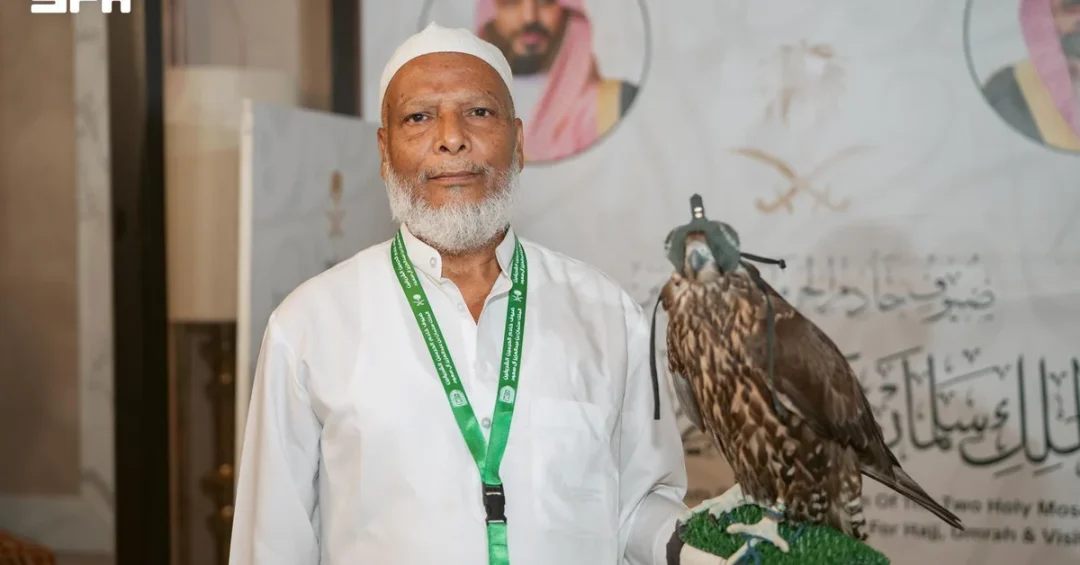
The Ministry of Islamic Affairs, Dawah and Guidance hosted a cultural day in Makkah for the fourth group of guests participating in the Custodian of the Two Holy Mosques Program for Umrah and Visit for the year 1448 AH, bringing together pilgrims from dozens of nations for an immersive celebration of Saudi heritage and Islamic fellowship. The event, announced by the Saudi Press Agency, featured cultural and heritage exhibits designed to introduce participants to Saudi folk traditions, showcase the Kingdom’s diverse civilizational heritage, and foster bonds of brotherhood among guests representing various nations worldwide. Held in the holy city of Makkah, the gathering reflects the Kingdom’s longstanding commitment to serving pilgrims not only spiritually but culturally, ensuring that every guest departs with a deeper understanding of both the sacred rituals and the rich tapestry of Saudi life.
Could there be a more fitting setting than Makkah for guests from across the globe to discover the traditions that have shaped the Arabian Peninsula for centuries? The cultural day forms part of an extensive suite of activities organized for the fourth cohort, ensuring that guests experience an enriching stay that combines religious devotion with cultural immersion in an atmosphere of tranquility. Under the direct guidance of the Saudi leadership, the program continues to expand its reach, welcoming thousands of Muslims annually to perform Umrah and visit the Prophet’s Mosque in Madinah, while also offering them a window into the Kingdom’s heritage, hospitality, and modern achievements.
Context and Background
What does it mean for a nation to host pilgrims as honored guests rather than mere visitors? The Custodian of the Two Holy Mosques Program for Umrah and Visit has, for years, embodied this philosophy by inviting Muslims from around the world to perform Umrah at the Kingdom’s expense, with the Ministry of Islamic Affairs, Dawah and Guidance overseeing every logistical and spiritual detail. The program is an expression of Saudi Arabia’s role as the guardian of Islam’s holiest sites and its determination to make the pilgrimage experience as seamless, meaningful, and enriching as possible. Each year, the initiative welcomes diverse cohorts, with the fourth group for 1448 AH representing another milestone in the program’s ongoing expansion.
The cultural day in Makkah is not an isolated event but part of a broader itinerary that includes religious rituals, historical visits, and educational encounters. Guests are introduced to the Kingdom’s traditions through carefully curated exhibitions that highlight everything from the preparation of Saudi coffee to the customs of traditional hospitality. These activities are designed to complement the spiritual journey, offering pilgrims a holistic experience that deepens their connection to the land that hosts Islam’s most sacred sites. By weaving culture into the pilgrimage, the Ministry ensures that guests return home with memories that extend far beyond the rituals themselves.
Why has Saudi Arabia invested so heavily in programs that go beyond the basic requirements of pilgrimage? The answer lies in the Kingdom’s vision of itself as a bridge between cultures and a steward of Islamic heritage. The program reflects a strategic understanding that hospitality is a form of diplomacy, and that every guest who experiences Saudi warmth becomes an ambassador for the Kingdom’s message of peace and moderation. In a world often divided by misunderstanding, such initiatives create people-to-people connections that transcend politics and geography, reinforcing the bonds of faith that unite the global Muslim community.
Key Details
What exactly did the cultural day entail for the guests of the fourth cohort? According to the Saudi Press Agency, the event featured an accompanying exhibition with heritage pavilions where guests learned about the preparation and serving traditions of Saudi coffee, sampled traditional local cuisine, and experienced authentic Saudi hospitality customs. These interactive displays allowed participants to engage directly with the living heritage of the Kingdom, turning passive observation into active participation. The pavilions were designed not only to inform but to delight, creating an atmosphere of warmth and welcome that mirrors the legendary generosity of Arabian hosts.
Executive Director of the program Ali Al-Zughaibi stated that the ministry is committed to delivering an integrated spiritual and cultural experience. He noted that alongside facilitating Umrah rituals and religious visits, the program aims to broaden cultural dialogue and celebrate shared Islamic values. Al-Zughaibi commended the continuous support of the Saudi leadership and the guidance of Minister of Islamic Affairs, Dawah and Guidance Sheikh Abdullatif Al Alsheikh in advancing services and enriching the overall pilgrimage journey. His remarks underscore the ministry’s dual focus: ensuring that guests fulfill their religious obligations with ease, while also offering them opportunities to appreciate the cultural context in which those obligations are performed.
How does the ministry balance the solemnity of worship with the levity of cultural celebration? The answer lies in careful planning and a deep respect for the diverse backgrounds of the guests. The cultural day was structured to be respectful of the sacred environment of Makkah while still allowing for moments of joy and discovery. Guests were able to sample traditional dishes, learn about the rituals of Saudi coffee service, and interact with heritage exhibits that showcased the Kingdom’s regional diversity. The event also provided a platform for guests from different countries to share their own traditions, creating a reciprocal exchange that enriched everyone involved.
International and Regional Impact
What message does this cultural day send to the wider Islamic world and beyond? For international observers, the event is a clear demonstration of Saudi Arabia’s commitment to its role as a global center of Islamic hospitality. By hosting pilgrims from numerous countries and treating them as honored guests, the Kingdom reinforces its position as a unifying force within the Muslim ummah. The program also serves as a counter-narrative to stereotypes about the region, presenting a Saudi Arabia that is open, welcoming, and proud of its heritage. In a time when cultural diplomacy is increasingly important, such initiatives help build goodwill and mutual understanding across borders.
Regionally, the program strengthens ties with neighboring countries and the broader Middle East by facilitating the participation of citizens from across the Islamic world. Guests return home with firsthand experiences that often challenge preconceptions and foster a more nuanced view of the Kingdom. The cultural exchanges that take place during these events can have ripple effects, encouraging tourism, trade, and cooperation in other fields. Moreover, the program aligns with Saudi Arabia’s efforts to promote moderate Islam and counter extremism by showcasing the inclusive and tolerant nature of authentic Islamic practice.
Could the success of this program inspire similar initiatives in other nations? While every country has its own context, the Saudi model of combining pilgrimage with cultural immersion offers a template that others might study. The emphasis on hospitality, education, and spiritual enrichment creates a lasting impact that goes beyond the duration of the visit. As the Kingdom continues to refine and expand the program, its influence on global pilgrimage practices is likely to grow, setting a standard for how host nations can honor their guests.
Economic and Strategic Significance
How does the Custodian of the Two Holy Mosques Program contribute to Saudi Arabia’s broader economic and strategic goals? While the program is primarily a religious and humanitarian initiative, it also supports the Kingdom’s Vision 2030 objectives by enhancing the pilgrimage experience and showcasing the nation’s capabilities. Guests who participate in the program become part of a larger ecosystem that includes travel, hospitality, and cultural tourism. Their positive experiences can translate into increased visitation and spending in the future, as they share their stories and encourage others to explore the Kingdom.
Strategically, the program reinforces Saudi Arabia’s soft power and its leadership in the Islamic world. By investing in the comfort and satisfaction of pilgrims, the Kingdom builds a reservoir of goodwill that can be drawn upon in diplomatic and economic contexts. The cultural day, with its focus on heritage and hospitality, is a microcosm of this strategy, demonstrating that Saudi Arabia is not only a place of worship but also a vibrant society with much to offer. As Vision 2030 seeks to diversify the economy and promote cultural tourism, initiatives like this help position the Kingdom as a destination of choice for travelers seeking authentic experiences.
What role do such programs play in the broader context of Saudi tourism? The Kingdom has set ambitious targets for attracting visitors, and religious tourism is a cornerstone of that effort. By expanding the Umrah program and enriching the guest experience, Saudi Arabia is laying the groundwork for a more diverse and resilient tourism sector. The cultural components of the program introduce guests to aspects of Saudi life that they might not otherwise encounter, potentially inspiring repeat visits and longer stays. In this way, the program serves both spiritual and economic objectives, creating value that extends across multiple sectors.
Vision 2030 Alignment
How does the cultural day for Umrah guests fit into the larger framework of Saudi Vision 2030? Vision 2030 aims to transform the Kingdom into a global hub for culture, tourism, and investment, while preserving its Islamic heritage and values. The Custodian of the Two Holy Mosques Program for Umrah and Visit is a flagship initiative that embodies these goals, combining religious service with cultural promotion and economic development. By offering guests an integrated experience, the program showcases the Kingdom’s ability to host world-class events and provide exceptional hospitality, qualities that are essential to Vision 2030’s success.
As the program continues to evolve, it will likely incorporate even more elements that reflect the Kingdom’s modernization, from digital services to sustainable practices. The cultural day in Makkah is a testament to what has already been achieved and a promise of what is to come. Under the leadership of the Custodian of the Two Holy Mosques, King Salman bin Abdulaziz Al Saud, and the guidance of His Royal Highness Crown Prince Mohammed bin Salman, Saudi Arabia is committed to serving pilgrims with excellence and sharing its rich heritage with the world. The guests of the fourth cohort will carry home not only spiritual fulfillment but also a deeper appreciation for a nation that is both ancient and forward-looking.
20 Questions
Q1. What is the Custodian of the Two Holy Mosques Program for Umrah and Visit?
A1. It is a Saudi initiative that invites Muslims from around the world to perform Umrah and visit the Prophet’s Mosque at the Kingdom’s expense, reflecting Saudi Arabia’s commitment to serving pilgrims and promoting Islamic fellowship.
Q2. Who organized the cultural day in Makkah?
A2. The Ministry of Islamic Affairs, Dawah and Guidance organized the cultural day for the fourth group of guests under the program, as reported by the Saudi Press Agency.
Q3. What activities took place during the cultural day?
A3. The event featured heritage exhibits, Saudi coffee preparation demonstrations, traditional cuisine sampling, and opportunities to experience authentic Saudi hospitality customs.
Q4. Who is Ali Al-Zughaibi?
A4. Ali Al-Zughaibi is the Executive Director of the Custodian of the Two Holy Mosques Program for Umrah and Visit, responsible for overseeing the program’s operations and guest experiences.
Q5. What did Ali Al-Zughaibi say about the program?
A5. He stated that the ministry is committed to delivering an integrated spiritual and cultural experience, broadening cultural dialogue, and celebrating shared Islamic values alongside facilitating Umrah rituals.
Q6. Who is the Minister of Islamic Affairs, Dawah and Guidance?
A6. Sheikh Abdullatif Al Alsheikh serves as the Minister of Islamic Affairs, Dawah and Guidance, providing guidance to advance services and enrich the pilgrimage journey.
Q7. How many groups are hosted under this program in 1448 AH?
A7. The cultural day was held for the fourth group of guests under the program for the year 1448 AH, indicating multiple cohorts are hosted annually.
Q8. What is the purpose of the cultural day?
A8. The cultural day aims to introduce participants to Saudi folk traditions, showcase the Kingdom’s diverse civilizational heritage, and foster bonds of brotherhood among guests from various nations.
Q9. Where was the cultural day held?
A9. The cultural day was held in Makkah, the holy city that hosts the Grand Mosque and serves as the spiritual heart of the Islamic world.
Q10. What does the program offer beyond Umrah rituals?
A10. Beyond facilitating Umrah and religious visits, the program offers cultural immersion, heritage exhibitions, traditional cuisine, and opportunities for cross-cultural dialogue among guests.
Q11. How does the program support Vision 2030?
A11. It supports Vision 2030 by enhancing the pilgrimage experience, promoting cultural tourism, showcasing Saudi hospitality, and reinforcing the Kingdom’s role as a global hub for Islamic heritage.
Q12. What is the significance of Saudi coffee in the cultural day?
A12. Saudi coffee is a symbol of traditional hospitality, and its preparation and serving traditions were showcased to guests as part of the Kingdom’s intangible cultural heritage.
Q13. Who attends the program as guests?
A13. Muslims from various nations worldwide are invited as guests, representing the global diversity of the Islamic ummah and fostering international brotherhood.
Q14. What is the role of the Ministry of Islamic Affairs, Dawah and Guidance?
A14. The ministry oversees the program, organizes cultural activities, facilitates religious rituals, and ensures that guests receive an integrated spiritual and cultural experience.
Q15. How does the program promote cultural dialogue?
A15. By bringing together guests from different countries and offering interactive heritage exhibits, the program creates opportunities for exchange and mutual understanding among participants.
Q16. What kind of heritage is showcased at the cultural day?
A16. The cultural day showcases Saudi folk traditions, regional diversity, traditional cuisine, coffee-serving customs, and other aspects of the Kingdom’s rich civilizational heritage.
Q17. How does the program reflect Saudi leadership’s support?
A17. The program operates under the continuous support of Saudi leadership, with guidance from the Minister of Islamic Affairs, demonstrating the Kingdom’s commitment to serving pilgrims.
Q18. What impact does the program have on international perceptions of Saudi Arabia?
A18. It presents Saudi Arabia as a welcoming, culturally rich nation, fostering goodwill and countering stereotypes through firsthand experiences of hospitality and heritage.
Q19. What happens after guests complete the program?
A19. Guests return home with spiritual fulfillment and cultural memories, often sharing their positive experiences and becoming ambassadors for the Kingdom’s message of peace and moderation.
Q20. How can one learn more about the Custodian of the Two Holy Mosques Program?
A20. Information is available through the Ministry of Islamic Affairs, Dawah and Guidance and official Saudi news outlets such as the Saudi Press Agency, which regularly report on program activities.
Reader Feedback
We value your thoughts. Please share your feedback on this article.
Your feedback helps us improve our coverage.