


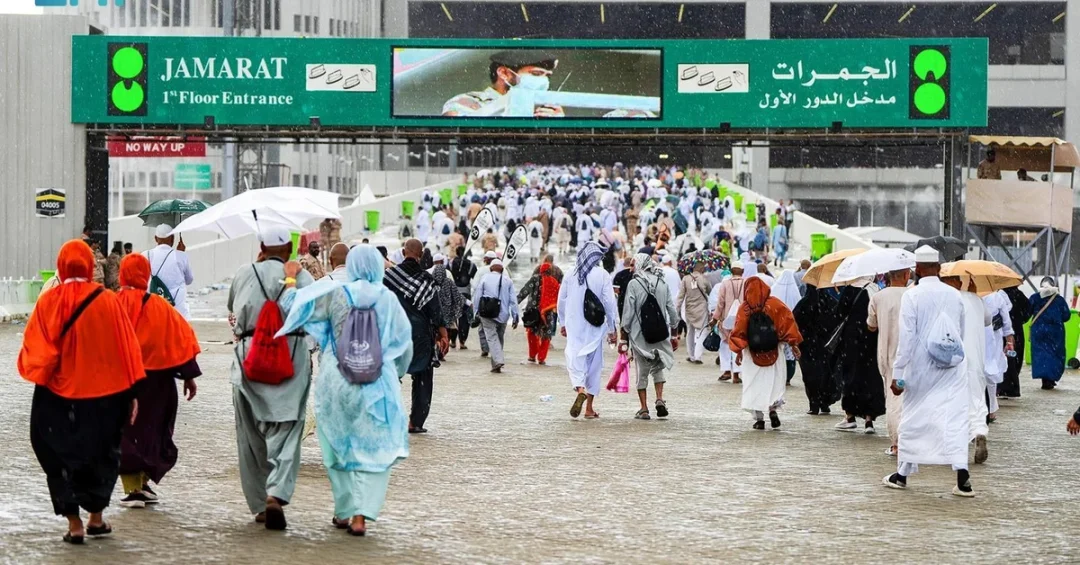
Guests of the Custodian of the Two Holy Mosques successfully performed the stoning ritual at the three Jamarat pillars on the first day of Tashreeq, marking a significant milestone in their Hajj pilgrimage. The ritual was carried out with ease and comfort, facilitated by the comprehensive services provided by the Ministry of Islamic Affairs, Dawah, and Guidance in collaboration with other entities. A total of 3,322 pilgrims from 88 countries participated, moving smoothly and efficiently through the meticulously organized Jamarat area.
Context and Background
The stoning ritual, known as Ramy al-Jamarat, is a crucial part of the Hajj pilgrimage, symbolizing the rejection of evil. It takes place in Mina, near the holy city of Mecca, during the days of Tashreeq. The Guests of the Custodian of the Two Holy Mosques program is a special initiative that hosts pilgrims from around the world, reflecting Saudi Arabia’s commitment to serving Islam and Muslims. This year, the program enabled thousands to perform the ritual seamlessly, underscoring the Kingdom’s logistical expertise and dedication to pilgrim welfare.
Key Details
The successful execution of the stoning ritual on the first day of Tashreeq was the result of a pre-planned crowd management strategy that ensured easy access to and from the Jamarat facility. The Ministry of Islamic Affairs, Dawah, and Guidance, along with other entities, provided comprehensive services including transportation, guidance, and medical support. The 3,322 pilgrims from 88 countries were able to complete the ritual without incident, highlighting the effectiveness of the organizational measures in place.
Implications and Impact
This achievement demonstrates Saudi Arabia’s capability to manage large-scale religious events with precision and care. It reinforces the Kingdom’s role as a global leader in hosting pilgrims and enhances its reputation for excellence in crowd control and infrastructure. The smooth operation of the Jamarat ritual also contributes to the overall success of the Hajj season, ensuring a spiritually fulfilling experience for all participants. Furthermore, it showcases the collaboration between various Saudi entities, setting a benchmark for future pilgrimages.
Vision 2030 Alignment
The seamless execution of the Hajj rituals aligns with Saudi Arabia’s Vision 2030, which aims to enhance the quality of services for pilgrims and improve the overall experience. By investing in infrastructure and technology, the Kingdom continues to elevate its capacity to host millions of pilgrims annually. This commitment not only supports religious obligations but also boosts the economy through increased tourism and global engagement. The success of the Guests of the Custodian of the Two Holy Mosques program is a testament to Saudi Arabia’s unwavering dedication to serving Islam and Muslims worldwide.
20 Questions
Q1. What is the significance of the stoning ritual during Hajj?
A1. The stoning ritual, or Ramy al-Jamarat, symbolizes the rejection of evil and is a mandatory act of worship during Hajj. It commemorates Prophet Ibrahim’s defiance of Satan and is performed at the three Jamarat pillars in Mina.
Q2. Who are the Guests of the Custodian of the Two Holy Mosques?
A2. They are pilgrims invited by the Saudi leadership to perform Hajj at the Kingdom’s expense. The program hosts thousands from various countries, promoting goodwill and showcasing Saudi Arabia’s commitment to serving Islam.
Q3. How many pilgrims performed the stoning ritual on the first day of Tashreeq?
A3. A total of 3,322 pilgrims from 88 countries performed the ritual. This was made possible through the coordinated efforts of Saudi authorities, ensuring a smooth and comfortable experience for all participants.
Q4. Which Saudi ministry oversaw the services for the pilgrims?
A4. The Ministry of Islamic Affairs, Dawah, and Guidance provided comprehensive services in collaboration with other entities. Their meticulous planning ensured the pilgrims’ safety and convenience throughout the ritual.
Q5. What is the first day of Tashreeq?
A5. The first day of Tashreeq is the 11th day of Dhu al-Hijjah, following the Day of Arafah and Eid al-Adha. It is one of the days during which pilgrims perform the stoning ritual in Mina.
Q6. Where is the Jamarat facility located?
A6. The Jamarat facility is located in Mina, near Mecca. It is a multi-level structure designed to accommodate millions of pilgrims safely during the stoning ritual, featuring improved crowd management systems.
Q7. How did Saudi authorities ensure smooth movement at Jamarat?
A7. They implemented a pre-planned crowd management strategy, which included designated routes, timed entry, and real-time monitoring. This facilitated easy access to and from the facility, preventing overcrowding.
Q8. What other services were provided to the guests?
A8. Services included transportation, accommodation, medical care, and religious guidance. These were coordinated by various Saudi entities to ensure the pilgrims’ well-being and spiritual fulfillment during their Hajj journey.
Q9. How does this event reflect Saudi Arabia’s Vision 2030?
A9. It demonstrates Saudi Arabia’s commitment to enhancing pilgrim services and infrastructure, a key pillar of Vision 2030. The Kingdom aims to welcome more pilgrims annually while ensuring safety and comfort, boosting economic and cultural exchange.
Q10. What is the role of the Custodian of the Two Holy Mosques in Hajj?
A10. The Custodian of the Two Holy Mosques, King Salman bin Abdulaziz Al Saud, oversees the annual Hajj pilgrimage. His leadership ensures the provision of extensive services and facilities for millions of pilgrims from around the world.
Q11. How many countries were represented by the guests?
A11. The guests came from 88 countries, reflecting the global reach of the program. This diversity underscores Saudi Arabia’s role as a unifying force in the Islamic world, hosting pilgrims from all continents.
Q12. What measures were taken to ensure the pilgrims’ safety?
A12. Safety measures included medical teams on standby, security personnel, and advanced monitoring systems. The Ministry of Islamic Affairs, Dawah, and Guidance coordinated with other agencies to provide a secure environment for all rituals.
Q13. What is the significance of the Jamarat area’s organization?
A13. The organization of the Jamarat area is crucial to prevent stampedes and ensure a smooth flow of pilgrims. The multi-level design and strategic planning allow for efficient movement, enhancing the overall Hajj experience.
Q14. How does the program contribute to Saudi Arabia’s global image?
A14. It showcases Saudi Arabia’s logistical capabilities and hospitality, enhancing its reputation as a responsible global leader. The program promotes goodwill and strengthens ties with countries worldwide, aligning with Vision 2030’s international engagement goals.
Q15. What is the historical background of the stoning ritual?
A15. The stoning ritual dates back to Prophet Ibrahim, who stoned Satan when tempted to disobey God. It is now a symbolic act performed by pilgrims to emulate his devotion and reject evil.
Q16. How does the Ministry of Islamic Affairs, Dawah, and Guidance support pilgrims?
A16. The ministry provides guidance, religious materials, and logistical support. It collaborates with other entities to ensure pilgrims can perform their rituals with ease, focusing on spiritual and physical well-being.
Q17. What technology was used to manage the crowds?
A17. Advanced technology such as surveillance cameras, crowd flow sensors, and mobile apps were used. These tools helped authorities monitor and direct pilgrims, ensuring safety and efficiency during the stoning ritual.
Q18. How does the Hajj pilgrimage impact Saudi Arabia’s economy?
A18. Hajj generates significant revenue through tourism, transportation, and hospitality. It also creates jobs and stimulates local businesses, contributing to Vision 2030’s economic diversification goals.
Q19. What feedback did the pilgrims give about their experience?
A19. Pilgrims expressed gratitude for the seamless organization and comfortable facilities. Many praised the Saudi leadership’s generosity and the warm hospitality they received, enhancing their spiritual journey.
Q20. What future improvements are planned for the Hajj experience?
A20. Saudi Arabia continues to invest in infrastructure and technology to accommodate more pilgrims. Future plans include expanding facilities, enhancing digital services, and further integrating Vision 2030 initiatives to enrich the pilgrimage experience.
Reader Feedback
We value your thoughts. Please share your feedback on this article.
Your feedback helps us improve our coverage.