


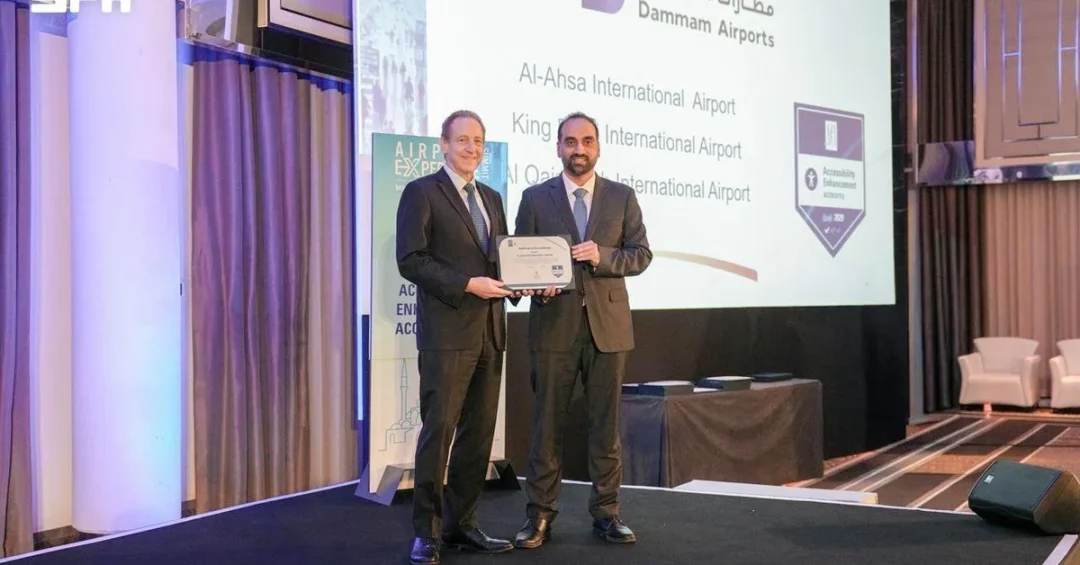
Dammam Airports Company (DACO) has been awarded six international accreditations by Airports Council International (ACI) across accessibility, health and safety, and customer experience, at the 2026 ACI World Airport Experience Summit in Istanbul. The recognitions, announced by the Saudi Press Agency, cover King Fahd International Airport, Al-Ahsa International Airport, and Al Qaisumah International Airport, reflecting the operator’s commitment to global aviation standards and its role in advancing the Kingdom’s aviation sector.
Context and Background
Airports Council International (ACI) is the global trade representative of the world’s airports, and its accreditation programs are benchmarks for excellence in airport operations and passenger services. The ACI World Airport Experience Summit, held in Istanbul in 2026, brought together aviation leaders to discuss innovations in airport experiences. Dammam Airports Company, which manages key airports in Saudi Arabia’s Eastern Province, has been actively pursuing international accreditations as part of its strategy to enhance service quality and operational efficiency. This achievement aligns with Saudi Arabia’s broader Vision 2030 goals to modernize infrastructure and boost tourism and connectivity.
Key Details
Under accessibility benchmarks, King Fahd International Airport, Al-Ahsa International Airport, and Al Qaisumah International Airport each earned Level 1 accessibility accreditation. This underscores DACO’s commitment to inclusive infrastructure and services for all traveler categories, including those with disabilities. King Fahd International Airport also secured accreditation for health and safety compliance, verifying its operational readiness and adherence to global protective standards. In customer experience, both Al-Ahsa and Al Qaisumah international airports received Level 1 customer experience accreditation, highlighting ongoing upgrades to passenger journey touchpoints and overall service quality. These six accreditations demonstrate DACO’s strategic alignment with global aviation best practices across its network, bolstering operational efficiency, safety, and regional connectivity in the Eastern Region.
Implications and Impact
The accreditations are expected to enhance the reputation of Saudi Arabia’s airports on the international stage, attracting more airlines and passengers. Improved accessibility and customer experience can boost tourism and business travel, contributing to the Kingdom’s economic diversification efforts. The recognition also signals to global partners that Saudi airports meet high international standards, which is crucial as the Kingdom aims to increase passenger traffic and become a global aviation hub. Furthermore, the focus on health and safety reassures travelers amid ongoing global health concerns. Regionally, these achievements strengthen the Eastern Province’s connectivity, supporting trade and investment.
Vision 2030 Alignment
This milestone directly supports Saudi Vision 2030, which seeks to diversify the economy, improve quality of life, and position the Kingdom as a global destination. By achieving international accreditations, Dammam Airports Company contributes to the National Aviation Strategy, aiming to connect Saudi Arabia to 250 destinations and handle 330 million passengers annually by 2030. The enhanced airports will facilitate pilgrimage, tourism, and business travel, aligning with the goals of the Pilgrim Experience Program and the National Tourism Strategy. As Saudi Arabia continues to invest in world-class infrastructure, such recognitions underscore the Kingdom’s commitment to excellence and its growing role in global aviation.
20 Questions
Q1. What did Dammam Airports Company achieve in Istanbul?
A1. Dammam Airports Company received six international accreditations from Airports Council International during the 2026 ACI World Airport Experience Summit in Istanbul, covering accessibility, health and safety, and customer experience across its airports.
Q2. Which airports received accessibility accreditation?
A2. King Fahd International Airport, Al-Ahsa International Airport, and Al Qaisumah International Airport each earned Level 1 accessibility accreditation, recognizing their inclusive infrastructure and services for all traveler categories.
Q3. What health and safety accreditation did King Fahd International Airport receive?
A3. King Fahd International Airport secured accreditation for health and safety compliance, verifying its operational readiness and adherence to global protective standards during the ACI summit.
Q4. Which airports received customer experience accreditation?
A4. Al-Ahsa International Airport and Al Qaisumah International Airport both received Level 1 customer experience accreditation, highlighting ongoing upgrades to passenger journey touchpoints and service quality.
Q5. What is Airports Council International (ACI)?
A5. ACI is the global trade representative of airports worldwide, providing accreditation programs that benchmark excellence in airport operations, customer service, and safety, influencing industry standards globally.
Q6. Why is this achievement significant for Saudi Arabia?
A6. It demonstrates Saudi Arabia’s commitment to global aviation best practices, enhances airport competitiveness, and supports Vision 2030 goals of economic diversification, tourism growth, and improved connectivity.
Q7. What is the ACI World Airport Experience Summit?
A7. It is an annual event organized by ACI that brings together aviation leaders to discuss innovations and best practices in airport experiences, held in Istanbul in 2026.
Q8. How does this recognition impact passengers?
A8. Passengers can expect improved accessibility, higher health and safety standards, and enhanced customer service, making travel through these airports more comfortable and efficient.
Q9. What does Level 1 accreditation signify?
A9. Level 1 accreditation indicates that an airport has met foundational criteria in a specific area, such as accessibility or customer experience, and is committed to continuous improvement.
Q10. How does this align with Vision 2030?
A10. It supports Vision 2030 by modernizing infrastructure, boosting tourism, and enhancing Saudi Arabia’s global standing in aviation, contributing to economic diversification and quality of life improvements.
Q11. What are the Eastern Region airports managed by DACO?
A11. Dammam Airports Company manages King Fahd International Airport, Al-Ahsa International Airport, and Al Qaisumah International Airport, serving the Eastern Province and enhancing regional connectivity.
Q12. What benefits do these accreditations bring to airlines?
A12. Airlines gain confidence in operating at accredited airports, knowing they meet international standards for safety, accessibility, and customer service, which can lead to increased routes and passenger traffic.
Q13. How does this impact Saudi Arabia’s tourism sector?
A13. Improved airport services and international recognition attract more tourists, supporting the National Tourism Strategy’s goal to increase visitor numbers and contribute to the economy.
Q14. What is the significance of health and safety accreditation?
A14. It assures travelers that the airport adheres to global health and safety protocols, reducing risks and enhancing confidence during travel, especially in the post-pandemic era.
Q15. How does DACO plan to build on this success?
A15. DACO will likely continue upgrading facilities, training staff, and pursuing higher levels of accreditation to further improve service quality and operational efficiency across its airports.
Q16. What role does SPA play in this announcement?
A16. The Saudi Press Agency (SPA) is the official source that released the news, ensuring accurate and timely information about Saudi achievements to domestic and international audiences.
Q17. How does this affect Saudi Arabia’s global aviation ranking?
A17. It enhances Saudi Arabia’s reputation as a serious player in global aviation, showcasing its commitment to international standards and potentially improving its ranking in airport service quality indices.
Q18. What are the key areas of accreditation?
A18. The accreditations cover accessibility, health and safety, and customer experience, reflecting a comprehensive approach to airport management and passenger satisfaction.
Q19. How does this support the National Aviation Strategy?
A19. The National Aviation Strategy aims to expand connectivity and passenger capacity; these accreditations demonstrate progress by ensuring airports meet global benchmarks, attracting airlines and travelers.
Q20. What message does this send to international travelers?
A20. It signals that Saudi airports are modern, safe, and customer-focused, welcoming international travelers with high standards of service and inclusivity, in line with Vision 2030.
Reader Feedback
We value your thoughts. Please share your feedback on this article.
Your feedback helps us improve our coverage.