


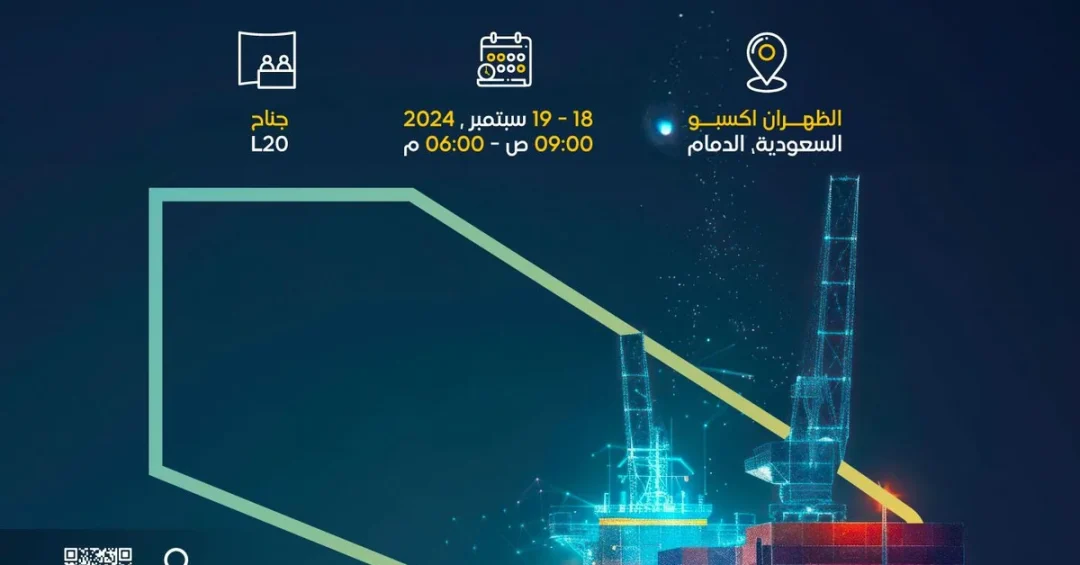
Dammam is set to host the 5th Saudi Maritime and Logistics Congress from September 18-19, 2024, under the patronage of Eng. Saleh Al-Jasser, Minister of Transport and Logistic Services and Chairman of the Transport General Authority. The two-day event will bring together more than 10,000 participants and 60 speakers from around the world to discuss the latest trends, opportunities, and strategies in the maritime and logistics sectors, aligning with the National Transport and Logistics Strategy and Saudi Vision 2030.
Context and Background
The Saudi Maritime and Logistics Congress has become a pivotal gathering for industry leaders, experts, and policymakers since its inception. This fifth edition underscores the Kingdom’s commitment to advancing its maritime and logistics capabilities as part of a broader economic diversification agenda. The event is held under the patronage of Eng. Saleh Al-Jasser, who also chairs the Transport General Authority, highlighting the government’s active role in steering the sector’s growth. The congress serves as a platform to address pressing challenges and explore innovative solutions in light of evolving global conditions.
Key Details
The congress will feature a comprehensive program of sessions and workshops covering critical topics such as integrated logistics services, the future of supply chains, shipbuilding and repair, the Oil Sustainability Program, maritime transport digitalization, maritime safety, energy transition for a sustainable future, and workforce development. With over 10,000 participants and 60 speakers, the event will facilitate high-level discussions and networking opportunities. The outcomes will include key recommendations and proposals aimed at advancing the maritime industry and ensuring the sustainability of logistics services in line with leading global standards.
Implications and Impact
The congress holds significant implications for both regional and international maritime and logistics sectors. By fostering collaboration and knowledge exchange, it aims to enhance the efficiency and resilience of supply chains, which are vital for global trade. The focus on digitalization and energy transition reflects a forward-looking approach that aligns with global trends toward sustainability and technological innovation. Moreover, the event reinforces Saudi Arabia’s position as a strategic logistics hub connecting three continents—Asia, Europe, and Africa—thereby boosting its role in international trade and investment.
Vision 2030 Alignment
This initiative is a direct manifestation of Saudi Vision 2030, which seeks to transform the Kingdom into a global logistics hub and diversify its economy away from oil dependence. The National Transport and Logistics Strategy, a key pillar of Vision 2030, aims to modernize infrastructure, increase capacity, and improve connectivity. By hosting such a prominent congress, Saudi Arabia demonstrates its commitment to achieving these goals, fostering innovation, and creating opportunities for sustainable growth and development in the maritime and logistics sectors, ultimately contributing to the Kingdom’s long-term prosperity and global competitiveness.
20 Questions
Q1. What is the 5th Saudi Maritime and Logistics Congress?
A1. It is a major two-day event in Dammam from September 18-19, 2024, bringing together global experts to discuss maritime and logistics trends, under the patronage of Eng. Saleh Al-Jasser, Minister of Transport and Logistic Services.
Q2. Who is patronizing the congress?
A2. The congress is patronized by Eng. Saleh Al-Jasser, who serves as the Minister of Transport and Logistic Services and Chairman of the Transport General Authority, underscoring the government’s support for the sector.
Q3. How many participants and speakers are expected?
A3. Over 10,000 participants and 60 speakers from around the world are expected to attend the two-day event, facilitating extensive networking and knowledge exchange among industry leaders.
Q4. What are the main topics to be covered?
A4. Sessions and workshops will cover integrated logistics services, future supply chains, shipbuilding and repair, the Oil Sustainability Program, maritime digitalization, safety, energy transition, and workforce development.
Q5. How does the congress align with Saudi Vision 2030?
A5. It supports the National Transport and Logistics Strategy, a key pillar of Vision 2030, aiming to position Saudi Arabia as a global logistics hub connecting three continents and diversify the economy.
Q6. Where and when will the congress take place?
A6. The congress will be held in Dammam, Saudi Arabia, from September 18 to 19, 2024, at a venue that accommodates thousands of participants and provides facilities for workshops and exhibitions.
Q7. What is the significance of the congress for the maritime industry?
A7. It provides a platform to address pressing issues, share best practices, and propose recommendations to advance the maritime industry and ensure sustainable logistics services in line with global standards.
Q8. Who is Eng. Saleh Al-Jasser?
A8. Eng. Saleh Al-Jasser is the Minister of Transport and Logistic Services and Chairman of the Transport General Authority, playing a key role in developing Saudi Arabia’s transport and logistics sectors.
Q9. What is the National Transport and Logistics Strategy?
A9. It is a comprehensive strategy under Vision 2030 to modernize Saudi Arabia’s transport and logistics infrastructure, enhance connectivity, and position the Kingdom as a global logistics hub.
Q10. How many editions of the congress have been held?
A10. This is the fifth edition, indicating the event’s growing importance and continuity in addressing maritime and logistics challenges and opportunities.
Q11. What is the Oil Sustainability Program mentioned in the agenda?
A11. The Oil Sustainability Program is an initiative to enhance the environmental and economic sustainability of oil production and usage, reflecting Saudi Arabia’s commitment to responsible energy practices.
Q12. What does maritime transport digitalization entail?
A12. It involves integrating advanced technologies like AI, IoT, and blockchain to improve efficiency, safety, and transparency in maritime operations and logistics chains.
Q13. Why is energy transition important for the maritime sector?
A13. Energy transition is crucial for reducing carbon emissions and promoting sustainable practices, aligning with global environmental goals and Saudi Arabia’s sustainability commitments.
Q14. How does the congress support workforce development?
A14. By facilitating discussions on training, education, and skill enhancement, the congress aims to build a skilled workforce capable of driving innovation and growth in the maritime and logistics sectors.
Q15. What are the expected outcomes of the congress?
A15. The event will culminate in key recommendations and proposals to advance the maritime industry, ensure sustainability of logistics services, and align with leading global standards.
Q16. How does the congress contribute to Saudi Arabia’s role as a global hub?
A16. By connecting three continents and fostering international collaboration, it enhances Saudi Arabia’s strategic position as a logistics hub, boosting trade and investment flows.
Q17. What is the Transport General Authority’s role?
A17. The Transport General Authority regulates and develops transport and logistics services in Saudi Arabia, ensuring they meet international standards and support Vision 2030 objectives.
Q18. Are there opportunities for international companies?
A18. Yes, the congress offers networking and partnership opportunities for international companies to engage in Saudi Arabia’s growing maritime and logistics market, aligned with Vision 2030.
Q19. How does the event address supply chain challenges?
A19. Through sessions on integrated logistics and future supply chains, participants will explore solutions to enhance resilience, efficiency, and adaptability in global supply chains.
Q20. What is the long-term impact of the congress?
A20. It will drive innovation, sustainability, and growth in the maritime and logistics sectors, supporting Saudi Arabia’s economic diversification and global competitiveness in line with Vision 2030.
Reader Feedback
We value your thoughts. Please share your feedback on this article.
Your feedback helps us improve our coverage.