


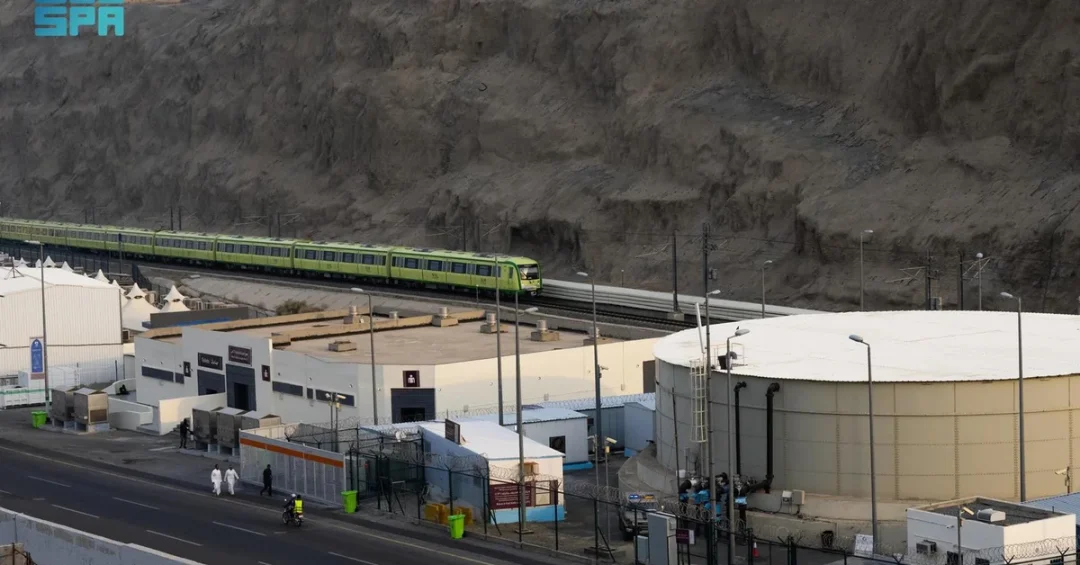
Day of Tarwiyah marks the official start of the Hajj pilgrimage, as pilgrims from across the globe began their journey to the sacred valley of Mina on Friday, the 8th of Dhul-Hijjah. This first ritual commemorates the actions of Prophet Mohammed (PBUH) and sets the stage for the days of reflection and devotion ahead. The General Presidency for the Affairs of the Grand Mosque and the Prophet’s Mosque, along with other Saudi authorities, have implemented comprehensive plans to welcome the pilgrims and ensure their comfort.
Context and Background
Mina, situated seven kilometers northeast of the Grand Mosque in Makkah, holds a significant position in the Islamic world. It is a valley surrounded by mountains, lying between Makkah and Muzdalifah. The area is within the boundaries of the Haram and is uniquely inhabited only during the Hajj period. Its historical importance is linked to the acts of Ibrahim and Ismail (peace be upon them) and the symbolic stoning of the devil, which takes place in this valley.
The Day of Tarwiyah, which translates to ‘satisfying thirst’, traditionally refers to the day when pilgrims, having completed their preparations, take on the provision of water for the upcoming days. It serves as a moment of both physical and spiritual readiness, as pilgrims reflect on the mission of Prophet Mohammed (PBUH) and the true essence of submission to God.
Key Details
As the pilgrims move toward Mina, they will find that the area has been carefully prepared. The various sectors and operational teams have diligently set up facilities to manage the flow of pilgrims, including the provision of water, accommodation, and health services. The Ministry of Hajj and Umrah has coordinated these efforts to ensure a smooth experience for the pilgrims.
The boundary of Mina is marked by Jamarat Al-Aqaba on the side facing Makkah and Wadi Muhsir on the side facing Muzdalifah. The entire valley is set to accommodate over 2 million pilgrims during the five days of Hajj. Each year, the route from Makkah to Mina is meticulously organized to maintain safety and comfort.
International Impact
The Hajj is one of the largest religious gatherings in the world, drawing Muslims from over 180 countries. This international convergence not only facilitates a deep sense of unity and equality among believers but also places the Kingdom of Saudi Arabia at the heart of global religious tourism. The seamless organization of the Hajj directly contributes to the global community’s perception of Saudi Arabia as a leader in hospitality, management, and innovation.
The influx of pilgrims also presents a remarkable opportunity for cultural exchange and economic growth, as Saudi Arabia’s vision for the future continues to align with the needs of an international community.
Vision 2030 Alignment
The enhancement of the pilgrimage experience is a core pillar of Saudi Arabia’s Vision 2030. The Kingdom aims to welcome 30 million pilgrims by 2030, moving from a capacity of 2.5 million. This expansion requires continual improvements to the infrastructure, digital services, and accommodation in sacred sites like Mina. The success of the Hajj directly showcases the Kingdom’s commitment to hospitality, sustainability, and modernization. The Hajj and Umrah initiatives are part of the Pilgrim Experience Program, which strives to offer a comfortable and enriching journey for every visitor, ultimately contributing to the Kingdom’s diversification and global stature. With the Day of Tarwiyah, the nation confidently showcases its leadership in providing for the pilgrims, serving the Ummah, and advancing towards a thriving future.
20 Questions
Q1. What is the Day of Tarwiyah?
A1. The Day of Tarwiyah is the first day of the Hajj pilgrimage, falling on the 8th of Dhul-Hijjah. It marks when pilgrims travel from Makkah to the valley of Mina, initiating the ritual steps that follow in the sacred journey.
Q2. Where is Mina located?
A2. Mina is a valley situated about seven kilometres northeast of the Grand Mosque in Makkah. It lies between the city of Makkah and the plain of Muzdalifah, within the boundaries of the sacred site.
Q3. What is the historical significance of Mina?
A3. Mina is historically significant as it is associated with the ritual of stoning the devil (Jamarat), which is performed here. It also commemorates the actions of Prophet Ibrahim and the Prophet Muhammad, who stayed there during Hajj.
Q4. Who is a pilgrim?
A4. A pilgrim is a Muslim who has physically and financially prepared to undertake the Hajj pilgrimage to the holy city of Makkah. This journey is a mandatory religious duty that must be carried out at least once by all able Muslims.
Q5. How does a pilgrim get to Mina?
A5. Pilgrims travel to Mina via public transport, walking, or by other arranged vehicles. The journey is organized by Saudi authorities, ensuring the safety and comfort of millions of pilgrims during the peak days of Hajj.
Q6. Why is the journey to Mina considered the first ritual of Hajj?
A6. The journey to Mina is considered the first official ritual because it is the first step in the pilgrim’s purification of the soul, preparing them to perform the later rites at Arafat and Muzdalifah. It marks the beginning of the physical and spiritual journey.
Q7. What does the name ‘Tarwiyah’ mean?
A7. The term ‘Tarwiyah’ is derived from the Arabic word ‘root’, meaning to water. It is believed that in ancient times, pilgrims would gather water for the rest of the pilgrimage at this location. The day signifies the physical preparation for the days ahead.
Q8. How far is Mina from the Grand Mosque?
A8. Mina is about seven kilometres from the Grand Mosque, a distance that is easily traversed via the modern infrastructure and road systems that the Kingdom has implemented for the pilgrims.
Q9. What is the role of the Saudi authorities during the Hajj?
A9. The Saudi authorities, including the Ministry of Hajj and Umrah, are responsible for ensuring a smooth and safe pilgrimage. They manage logistics, health services, transportation, and accommodation, providing a comprehensive support system for millions of pilgrims.
Q10. How many pilgrims can Mina accommodate?
A10. Mina is equipped to accommodate over 2 million pilgrims, with a vast area of tents and facilities. The planning and development of Mina ensure that the overflow of pilgrims is managed efficiently and comfortably.
Q11. What is the significance of the boundaries of Mina?
A11. The boundaries of Mina are significant because they define the limits of the pilgrimage rituals. They are marked by Jamarat Al-Aqaba on the Makkah side and Wadi Muhsir on the Muzdalifah side, ensuring that pilgrims adhere to the correct rites.
Q12. What are the key actions a pilgrim performs in Mina?
A12. In Mina, pilgrims first rest and prepare, then on the Day of Arafat, they move to Mount Arafat. After that, they return to Mina to perform the stoning of the pillars. The stay in Mina is a time for devotion and reflection.
Q13. What is the role of the Prophet’s Mosque in the Hajj?
A13. While the Prophet’s Mosque in Madinah is not a mandatory part of the Hajj, many pilgrims visit it before or after the ritual. It is a key site for prayer and reflection, and Saudi authorities have enhanced services there to enrich the pilgrim experience.
Q14. How does the Hajj impact the economy of Saudi Arabia?
A14. The Hajj brings millions of visitors each year, contributing significantly to the Saudi economy through the hospitality sector, transport, and services. This is in line with Vision 2030’s goal to diversify the economy and enhance the tourism sector.
Q15. What are the preparations for the pilgrims?
A15. The Saudi government prepares extensive infrastructure in Mina, including tent cities, water, electricity, and health services. Security forces are also deployed to maintain order, ensuring a safe environment for all pilgrims.
Q16. How has Saudi Arabia improved the Hajj experience?
A16. Saudi Arabia has utilized technology and modern architecture to improve the flow of pilgrims, from the expansion of the Jamarat area to the implementation of smart transportation systems. These improvements enhance safety and comfort for the visitors.
Q17. What is the significance of the Grand Mosque in the Hajj?
A17. The Grand Mosque is the focal point of the Hajj, as it houses the Kaaba and the holy sites. Pilgrims perform tawaf, the circling, and other rites there. The mosque’s expansion projects have been crucial to manage the increasing number of pilgrims.
Q18. How does the Hajj foster global unity?
A18. The Hajj brings together Muslims from different nations, races, and cultures, all acting in a spirit of equality. This fosters a sense of global unity and brotherhood, underscoring the central message of Islam.
Q19. What is the future outlook for the Hajj in Saudi Arabia?
A19. Saudi Arabia’s Vision 2030 includes the goal to accommodate 30 million pilgrims by 2030, with the expansion of the facilities and services. This represents a long-term investment in the development of the hajj, ensuring that it remains a spiritual and enriching experience for all.
Q20. What is the spiritual significance of the Day of Tarwiyah?
A20. The Day of Tarwiyah is a time for pilgrims to prepare their hearts and minds for the ritual. It is a day of spiritual and physical readiness, where Muslims follow the footsteps of the Prophet, demonstrating their commitment to the religion and to the concept of purification.
Reader Feedback
We value your thoughts. Please share your feedback on this article.
Your feedback helps us improve our coverage.