


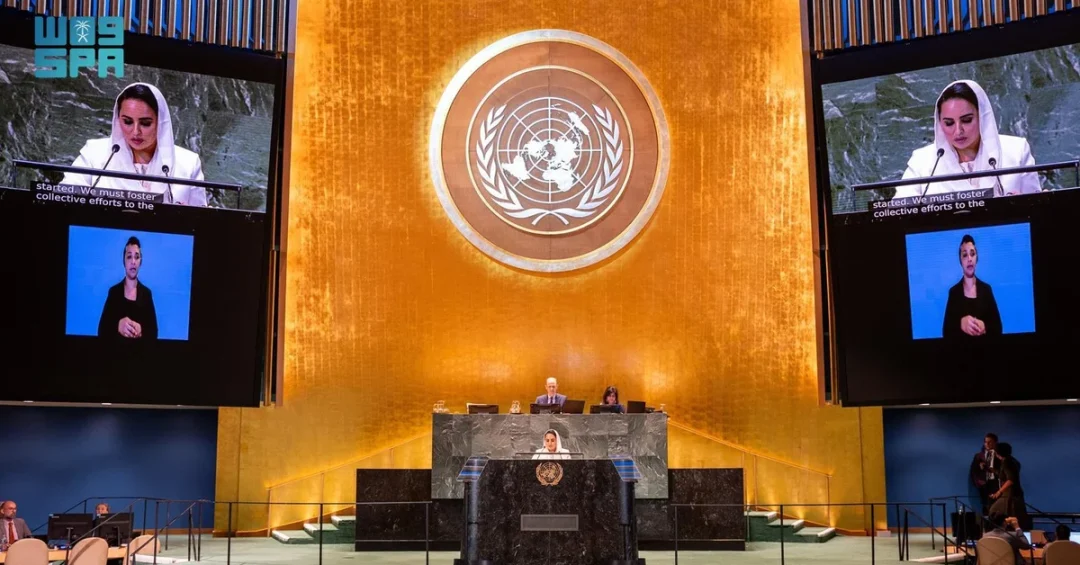
New York – In a keynote address at the Summit of the Future during the 79th United Nations General Assembly, Deemah AlYahya, Secretary-General of the Digital Cooperation Organization (DCO), commended the newly adopted Global Digital Compact, calling it a roadmap for an inclusive digital future. The DCO, a global organization dedicated to advancing digital prosperity for all, highlighted the urgent need to bridge the multifaceted digital divide that continues to hinder equitable growth worldwide.
Context and Background
The Summit of the Future, held at the United Nations headquarters in New York, brought together world leaders to forge a new consensus on global challenges. The adoption of the Global Digital Compact marks a pivotal moment in international digital governance, aiming to ensure that digital technologies benefit all of humanity. The DCO, founded in November 2020, is an international organization with a mission to promote digital cooperation and economic growth. Its member states include Saudi Arabia, Bahrain, Jordan, Kuwait, Nigeria, Oman, Pakistan, and Rwanda, among others. Saudi Arabia, a founding member, plays a leading role in the DCO’s initiatives, aligning with its Vision 2030 goals of digital transformation and economic diversification.
Key Details
In her speech, AlYahya emphasized that the digital divide is not limited to access but encompasses gaps in digital intelligence, computing capabilities, gender, and skills. She noted that the AI and computing divide poses a significant barrier, with some nations rapidly advancing in AI innovation while others lag. The gender digital divide continues to restrict women’s access to technology and opportunities, and the skills divide leaves many without the competencies needed for the digital economy.
AlYahya praised the Global Digital Compact for outlining “an ambitious roadmap for an inclusive, open, sustainable, fair, safe, and secure digital future for all.” However, she stressed that translating these principles into action remains a challenge, especially as the world strives to achieve the Sustainable Development Goals (SDGs).
To support these efforts, AlYahya announced the launch of the Digital Economy Navigator (DEN), a tool providing detailed insights into digital economy performance across 50 countries. She urged all stakeholders to collaborate, stating that DEN is only the beginning.
On the sidelines of UNGA, the DCO signed agreements with the United Nations Development Programme (UNDP) and the League of Arab States (LAS) to enhance digital cooperation, accelerate digital transformation, and support SDG achievement.
Implications and Impact
The DCO’s announcements signal a growing recognition that digital cooperation is essential for inclusive global development. The Digital Economy Navigator will provide policymakers with data to craft evidence-based strategies, potentially narrowing the digital divide. The agreements with UNDP and LAS underscore the DCO’s commitment to multilateralism and its ability to forge partnerships that drive tangible progress. For Saudi Arabia, these developments reinforce its position as a global digital leader and a champion of international cooperation, consistent with its G20 presidency and Vision 2030.
Vision 2030 Alignment
Saudi Arabia’s Vision 2030 is fundamentally about diversification and modernization, with digital transformation as a core pillar. The Kingdom’s active role in the DCO and support for the Global Digital Compact reflect its dedication to fostering a digital economy that benefits all. By promoting digital inclusion and innovation, Saudi Arabia contributes to a more prosperous and connected world, in line with its commitment to global stability and sustainable development.
20 Questions
Q1. What is the Digital Cooperation Organization (DCO)?
A1. The DCO is an international organization founded in 2020 to promote digital cooperation and economic growth. It includes member states like Saudi Arabia, Bahrain, and Pakistan, aiming to bridge the digital divide and foster inclusive digital economies worldwide.
Q2. Who is Deemah AlYahya?
A2. Deemah AlYahya is the Secretary-General of the Digital Cooperation Organization. She is a Saudi digital expert with extensive experience in technology and innovation, leading the DCO’s mission to advance global digital prosperity.
Q3. What is the Global Digital Compact?
A3. The Global Digital Compact is a UN initiative adopted at the Summit of the Future. It outlines principles for an inclusive, open, sustainable, fair, safe, and secure digital future, aiming to ensure digital technologies benefit all humanity.
Q4. What is the Digital Economy Navigator (DEN)?
A4. The DEN is a tool launched by the DCO that provides detailed insights into digital economy performance across 50 countries. It helps policymakers make informed decisions to bridge the digital divide.
Q5. What agreements did the DCO sign at UNGA?
A5. The DCO signed agreements with the United Nations Development Programme (UNDP) and the League of Arab States (LAS) to enhance digital cooperation, accelerate digital transformation, and support the SDGs.
Q6. Why is the digital divide a concern?
A6. The digital divide encompasses gaps in digital intelligence, computing capabilities, gender, and skills. It hinders equitable access to technology and opportunities, particularly in developing nations, and impedes global progress.
Q7. How does the DCO address the gender digital divide?
A7. The DCO promotes initiatives to empower women through digital skills training and access to technology. It advocates for policies that ensure women can fully participate in the digital economy.
Q8. What is the role of Saudi Arabia in the DCO?
A8. Saudi Arabia is a founding member and active supporter of the DCO. The Kingdom’s Vision 2030 emphasizes digital transformation, and its leadership in the DCO reflects its commitment to global digital cooperation.
Q9. How does the Global Digital Compact align with Vision 2030?
A9. The Compact’s goals of inclusive and sustainable digital development align with Vision 2030’s focus on economic diversification, digital innovation, and global engagement, reinforcing Saudi Arabia’s leadership in the digital era.
Q10. What are the Sustainable Development Goals (SDGs)?
A10. The SDGs are a set of 17 global goals adopted by the UN in 2015 to end poverty, protect the planet, and ensure prosperity for all by 2030. Digital cooperation is vital for achieving them.
Q11. What is the Summit of the Future?
A11. The Summit of the Future is a UN event held during the 79th General Assembly. It brings world leaders together to address global challenges and adopt agreements like the Global Digital Compact.
Q12. How can countries benefit from the DEN?
A12. The DEN provides comparative data on digital economy performance, helping countries identify strengths and weaknesses. This enables evidence-based policymaking to enhance digital infrastructure and skills.
Q13. What is the AI and computing divide?
A13. The AI and computing divide refers to the gap between nations that are advanced in artificial intelligence and computing capabilities and those that lag behind, limiting their economic and technological progress.
Q14. How does the DCO plan to implement the Global Digital Compact?
A14. The DCO will work with member states and partners to translate the Compact’s principles into actionable strategies, leveraging tools like the DEN and partnerships with UNDP and LAS.
Q15. What is the significance of the DCO-UNDP agreement?
A15. The agreement aims to accelerate digital transformation in developing countries, supporting efforts to achieve the SDGs. It combines UNDP’s development expertise with DCO’s digital focus.
Q16. How does the DCO engage with the League of Arab States?
A16. The DCO and LAS collaborate to enhance digital cooperation in the Arab region, promoting digital infrastructure, skills, and innovation to drive economic growth and integration.
Q17. What challenges remain in achieving digital inclusion?
A17. Challenges include lack of infrastructure, affordability, digital literacy, and gender disparities. Addressing these requires coordinated efforts from governments, international organizations, and the private sector.
Q18. How can individuals contribute to digital cooperation?
A18. Individuals can support digital inclusion by advocating for digital literacy, participating in skill-building programs, and promoting responsible use of technology to foster a more connected world.
Q19. What is the DCO’s vision for the future?
A19. The DCO envisions a world where all nations and individuals have equal opportunities to thrive in the digital economy, achieved through collaboration, innovation, and inclusive policies.
Q20. How does Saudi Arabia’s Vision 2030 support digital cooperation?
A20. Vision 2030 prioritizes digital transformation, investing in technology, innovation, and skills. Saudi Arabia’s leadership in the DCO and support for the Global Digital Compact exemplify its commitment to global digital prosperity.
Reader Feedback
We value your thoughts. Please share your feedback on this article.
Your feedback helps us improve our coverage.