


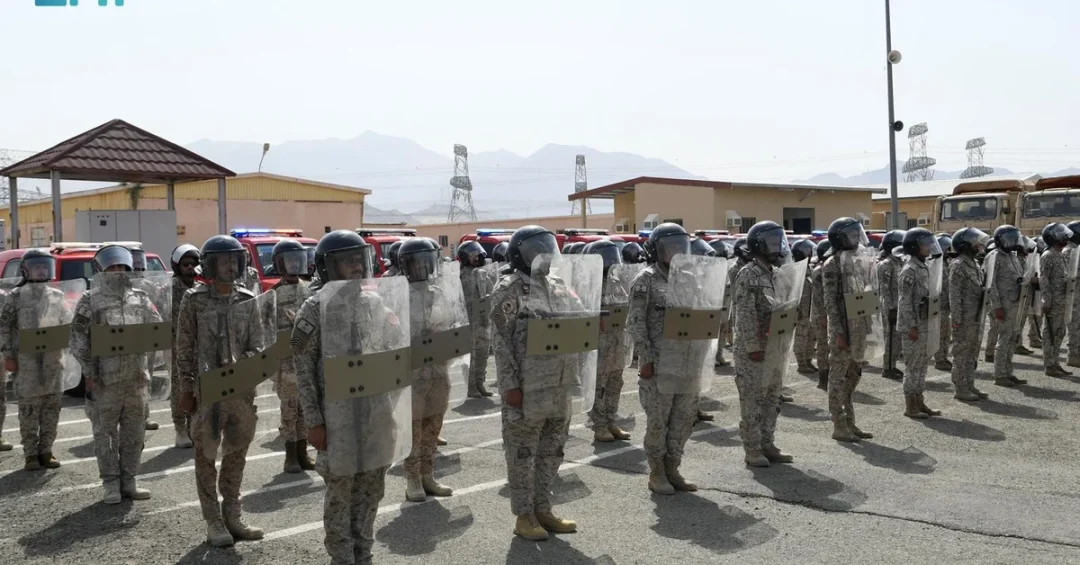
The Ministry of Defense, under the directive of Prince Khalid bin Salman bin Abdulaziz, Minister of Defense, announced on June 7, 2024, the successful completion of its preparations for the Hajj season 1445 AH, reaffirming the Kingdom’s commitment to ensuring the safety and comfort of pilgrims. These preparations are part of a comprehensive strategy to support all security services and government agencies in providing the necessary facilities for the smooth performance of Hajj rituals.
Context and Background
Hajj is one of the largest annual religious gatherings in the world, drawing millions of pilgrims to the holy city of Makkah. The Saudi leadership places the highest priority on the well-being of pilgrims, and the Ministry of Defense plays a critical role in supporting the Ministry of Interior and other agencies to maintain order and security. To achieve the directives of the Saudi leadership, a Hajj Supervisory Committee was formed within the Ministry of Defense, headed by the Director of the Joint Staff of the Armed Forces. This committee is responsible for preparing, planning, and supervising all tasks assigned to the various units and sectors of the ministry during Hajj.
Key Details
The Ministry of Defense mobilized its military and civilian human resources, medical and health personnel, capabilities, and service facilities in the Holy Sites, Makkah, and Madinah. All branches of the armed forces and relevant sectors are actively participating in this collective effort. The ministry’s tasks include providing security support to the Ministry of Interior, implementing the general plan to maintain order, and strengthening security measures to prevent incidents. Additionally, the ministry oversees the courtyards of the Holy Mosque in Makkah, manages the airspace of the holy sites, monitors crowd movement, and operates helicopter flights around the clock.
Furthermore, the Ministry of Defense has prepared several fixed and field hospitals and emergency centers to support the Ministry of Health in providing health care to pilgrims. Medical evacuation aircraft are available for transporting critical cases to supporting hospitals. As part of its comprehensive plan, the ministry hosts employees, children of Saudi and Yemeni martyrs and wounded, and pilgrims from more than 20 countries. Camps with the latest specifications have been prepared in Mina to ensure the best services. The ministry also completed its guidance and religious program plan, which includes hosting scholars and sheiks to deliver sermons and lectures, broadcasting awareness messages, and distributing publications to educate pilgrims about the rituals.
Implications and Impact
The successful completion of these preparations underscores Saudi Arabia’s unwavering commitment to the safety and security of pilgrims. It reflects the Kingdom’s capability to manage large-scale events and its dedication to providing a spiritually fulfilling experience. The involvement of the Ministry of Defense in Hajj operations demonstrates the integrated approach of Saudi government agencies in serving the guests of God. This effort not only ensures a smooth Hajj season but also enhances Saudi Arabia’s standing as a responsible and capable custodian of the Two Holy Mosques.
Vision 2030 Alignment
These preparations align with Saudi Vision 2030, which aims to enhance the quality of services provided to pilgrims and to increase the capacity to accommodate more pilgrims in the future. By leveraging its military and civilian resources, the Ministry of Defense contributes to the Kingdom’s broader goals of economic diversification and global engagement. The successful execution of Hajj operations reinforces Saudi Arabia’s role as a leader in hosting major religious events and showcases its ability to manage complex logistics, further solidifying its position on the world stage.
20 Questions
Q1. What did the Ministry of Defense announce regarding Hajj season 1445 AH?
A1. The Ministry of Defense announced the successful completion of its preparations for Hajj season 1445 AH, aiming to support security services and government agencies in serving pilgrims efficiently.
Q2. Who directed the Ministry of Defense to prepare for Hajj season?
A2. Prince Khalid bin Salman bin Abdulaziz, Minister of Defense, directed the ministry to complete its preparations to ensure the safety and comfort of pilgrims during Hajj.
Q3. What is the role of the Hajj Supervisory Committee?
A3. The Hajj Supervisory Committee, headed by the Director of the Joint Staff, is responsible for preparing, planning, and supervising all tasks assigned to various units and sectors of the Ministry of Defense during Hajj.
Q4. What resources did the Ministry of Defense mobilize for Hajj?
A4. The ministry mobilized military and civilian human resources, medical and health personnel, capabilities, and service facilities in the Holy Sites, Makkah, and Madinah to serve pilgrims.
Q5. What are the key responsibilities of the Ministry of Defense during Hajj?
A5. Key responsibilities include providing security support to the Ministry of Interior, maintaining order, overseeing the courtyards of the Holy Mosque, managing airspace, monitoring crowds, and operating helicopter flights.
Q6. How does the Ministry of Defense support health care for pilgrims?
A6. The ministry has prepared fixed and field hospitals and emergency centers, and provides medical evacuation aircraft to transport critical cases to supporting hospitals, ensuring high levels of health and safety.
Q7. Who does the Ministry of Defense host during Hajj?
A7. The ministry hosts employees, children of Saudi and Yemeni martyrs and wounded, and pilgrims from more than 20 countries, providing them with camps in Mina with the latest specifications.
Q8. What is the purpose of the guidance and religious program?
A8. The program educates pilgrims and guests of the ministry’s camps through sermons, lectures, awareness messages, and publications explaining the rituals and actions of Hajj.
Q9. How does the Ministry of Defense contribute to crowd management?
A9. The ministry monitors the flow and movement of crowds, manages the airspace of the holy sites, and operates helicopter flights around the clock to ensure smooth and safe movement.
Q10. What is the significance of the Ministry of Defense’s participation in Hajj?
A10. It demonstrates the integrated efforts of Saudi government agencies to serve pilgrims, ensuring their safety and security, and reflects the Kingdom’s capability to manage large-scale events.
Q11. How does the Hajj operation align with Saudi Vision 2030?
A11. It aligns with Vision 2030 by enhancing services to pilgrims, increasing capacity, and showcasing Saudi Arabia’s ability to manage complex logistics, contributing to economic diversification and global engagement.
Q12. What role do all branches of the armed forces play in Hajj?
A12. All branches of the armed forces actively participate in the collective effort to provide security, health care, and logistical support to ensure a smooth Hajj experience for all pilgrims.
Q13. What facilities are provided in Mina for hosted pilgrims?
A13. Camps with the latest specifications have been prepared in Mina to ensure the best services, allowing hosted individuals to perform their rituals efficiently and comfortably.
Q14. How does the Ministry of Defense coordinate with the Ministry of Interior?
A14. The Ministry of Defense provides security support to the Ministry of Interior, implements the general plan to maintain order, and strengthens security measures to prevent any incidents that could disrupt Hajj.
Q15. What types of aircraft are used for medical evacuations?
A15. The Ministry of Defense provides medical evacuation aircraft to transport critical cases to supporting hospitals, ensuring timely and specialized medical care for pilgrims in need.
Q16. How does the ministry ensure the security of the Holy Mosque courtyards?
A16. The ministry oversees the courtyards of the Holy Mosque in Makkah, managing crowd flow and implementing security measures to maintain order and safety for all worshippers.
Q17. What awareness messages are broadcast to pilgrims?
A17. Awareness messages clarify the issues and actions of Hajj rituals, helping pilgrims understand and perform their duties correctly, and are distributed through various publications and broadcasts.
Q18. Who delivers sermons and lectures to pilgrims?
A18. Scholars and sheiks are hosted to deliver sermons and lectures, providing religious guidance and education to pilgrims and guests of the ministry’s camps during Hajj.
Q19. What is the overall goal of the Ministry of Defense’s Hajj preparations?
A19. The goal is to enable pilgrims to perform their Hajj rituals with ease, security, and reassurance, in line with the directives of the Saudi leadership to provide the highest level of service.
Q20. How does this effort reflect Saudi Arabia’s global role?
A20. It reinforces Saudi Arabia’s position as a responsible custodian of the Two Holy Mosques, capable of managing major religious events and ensuring the safety of millions of pilgrims from around the world.
Reader Feedback
We value your thoughts. Please share your feedback on this article.
Your feedback helps us improve our coverage.