


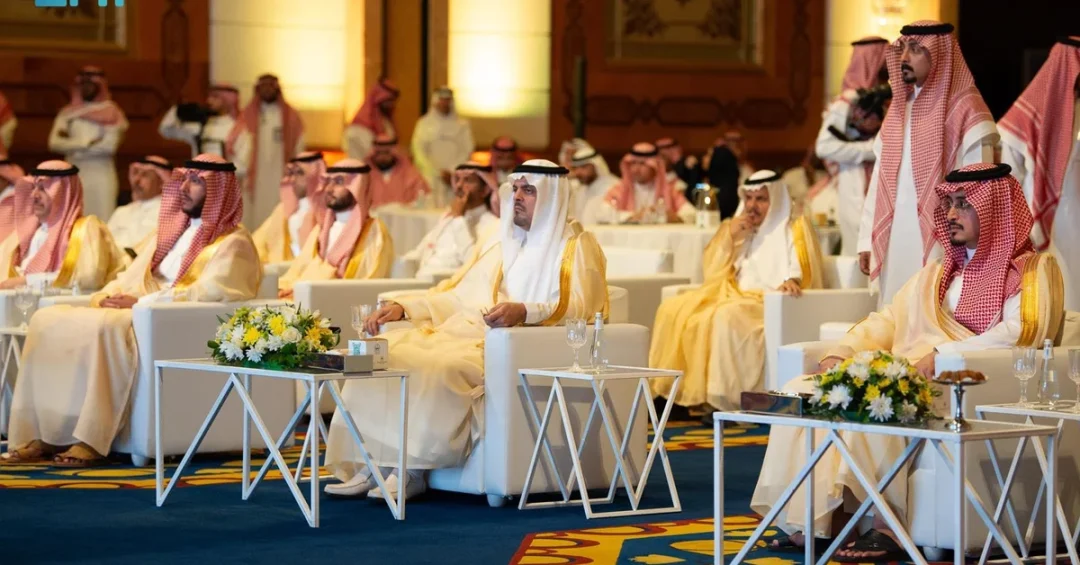
In a significant step toward ensuring a seamless and spiritually enriching Hajj experience, the Deputy Governor of Makkah Region, Prince Saud bin Mishaal bin Abdulaziz, officially launched the time planning efforts for Hajj 1446 AH during a high-level meeting in Jeddah on September 8, 2024. The event, held under the patronage of the Governor of Makkah Region, Prince Khalid bin Faisal bin Abdulaziz, Advisor to the Custodian of the Two Holy Mosques and Chairman of the Central Hajj Committee, brought together 60 entities involved in the Hajj system to review achievements and outline preparations for the upcoming pilgrimage season.
Context and Background
The meeting, organized by the Hajj Projects Office under the Service of the Pilgrim Experience Program—a key initiative of Vision 2030—aims to build on the successes of Hajj 1445 AH and ensure continuous improvement in serving pilgrims. The gathering reflects the Kingdom’s unwavering commitment to providing exceptional services, adhering to the highest standards, and enhancing the overall pilgrimage experience.
During the meeting, Prince Saud bin Mishaal emphasized the importance of elevating operational standards, refining systems, and enhancing procedures. He underscored the need to improve worker efficiency in the Hajj and Umrah sectors and to find immediate, practical solutions to challenges as they arise. “Today’s gathering aims to achieve key goals, primarily building on the successes of Hajj 1445 AH,” Prince Saud stated. “Allah has blessed this nation with the ability to serve pilgrims, enabling them to fulfill Islam’s fifth pillar of peace, security, and comfort. Our top priority is early preparation for the upcoming Hajj season, ensuring we fulfil our responsibilities toward those who visit the holiest sites on earth.”
Key Details
The meeting reviewed the achievements of Hajj 1445 AH, which included 300 operational plans to enhance readiness, the activation of the Nusuk card, successful trial operations of Hajj flights from Taif International Airport, the expansion of the Makkah Route Initiative, partial opening of the direct Jeddah-Makkah road, improved transportation between Mina and the Grand Mosque, and the application of heat-reducing paints near Namirah Mosque. These initiatives demonstrate the Kingdom’s dedication to leveraging innovation and infrastructure development to serve pilgrims better.
Looking ahead to Hajj 1446 AH, the session explored comprehensive readiness plans, operational performance indicators, and quality measurement standards. A workshop titled “Alignment on Services, Roles, and Main Features” focused on refining service standards and boosting data-sharing practices for readiness indicators. Prince Saud also conveyed Prince Khalid’s appreciation to the organizations responsible for serving pilgrims, acknowledging their tireless efforts to ensure the comfort of pilgrims and highlighting the Kingdom’s leadership’s unwavering dedication to providing exceptional services.
Implications and Impact
The early planning for Hajj 1446 AH underscores Saudi Arabia’s proactive approach to managing one of the world’s largest annual gatherings. By bringing together 60 entities, the meeting facilitated enhanced collaboration and coordination among all sectors involved, aiming to make the Hajj journey more accessible and seamless for pilgrims. The emphasis on improved transportation, digital solutions like the Nusuk card, and infrastructure projects reflects a holistic strategy to enhance the pilgrim experience while ensuring safety and security. This initiative also aligns with the objectives of Vision 2030 by promoting sustainable development, economic diversification, and global engagement through the annual pilgrimage.
Vision 2030 Alignment
The Service of the Pilgrim Experience Program is a cornerstone of Vision 2030, which seeks to transform Saudi Arabia into a global hub for tourism and religious travel. By continuously improving Hajj operations, the Kingdom not only fulfills its religious duties but also showcases its capacity for innovation, hospitality, and organizational excellence. The time planning for Hajj 1446 AH is a testament to Saudi Arabia’s forward-looking vision, ensuring that millions of pilgrims can perform their religious obligations with peace, security, and comfort, while contributing to the nation’s economic and cultural prosperity.
20 Questions
Q1. What event did Prince Saud bin Mishaal bin Abdulaziz launch?
A1. He launched the “Meeting to Initiate Planning Efforts for Hajj 1446 AH” in Jeddah on September 8, 2024, under the patronage of Prince Khalid bin Faisal bin Abdulaziz.
Q2. Who is Prince Saud bin Mishaal bin Abdulaziz?
A2. He is the Deputy Governor of Makkah Region, who plays a key role in overseeing Hajj preparations and ensuring the comfort of pilgrims.
Q3. What is the significance of the Hajj Projects Office?
A3. The Hajj Projects Office, under the Service of the Pilgrim Experience Program, organizes and coordinates efforts to enhance the Hajj experience as part of Vision 2030.
Q4. How many entities participated in the meeting?
A4. 60 entities involved in the Hajj system attended the meeting, demonstrating broad collaboration across sectors.
Q5. What were some achievements of Hajj 1445 AH?
A5. Achievements included 300 operational plans, activation of the Nusuk card, trial flights from Taif International Airport, expansion of the Makkah Route Initiative, and improved transportation.
Q6. What is the Nusuk card?
A6. The Nusuk card is a digital tool activated during Hajj 1445 AH to streamline services and enhance the pilgrim experience.
Q7. What is the Makkah Route Initiative?
A7. It is a program that facilitates the arrival of pilgrims by streamlining immigration and luggage procedures in their home countries.
Q8. How does early planning benefit Hajj 1446 AH?
A8. Early planning allows for comprehensive readiness, operational improvements, and timely solutions to challenges, ensuring a seamless pilgrimage.
Q9. What did Prince Saud emphasize in his speech?
A9. He emphasized elevating operational standards, refining systems, improving worker efficiency, and finding immediate solutions to challenges.
Q10. What was the purpose of the workshop held during the meeting?
A10. The workshop “Alignment on Services, Roles, and Main Features” aimed to refine service standards and boost data-sharing practices for readiness indicators.
Q11. How does the meeting reflect Saudi leadership’s dedication?
A11. It shows the leadership’s unwavering commitment to providing exceptional services to pilgrims, adhering to the highest standards of care and hospitality.
Q12. What transportation improvements were noted?
A12. Improvements included the partial opening of the direct Jeddah-Makkah road and better transportation between Mina and the Grand Mosque.
Q13. What is the significance of heat-reducing paints near Namirah Mosque?
A13. These paints help lower temperatures, enhancing comfort for pilgrims in the area, especially during peak heat.
Q14. How does Vision 2030 relate to Hajj planning?
A14. Vision 2030 aims to enhance the pilgrim experience, promote sustainable development, and showcase Saudi Arabia’s organizational excellence.
Q15. What are operational performance indicators?
A15. They are metrics used to measure and improve the efficiency and quality of services provided during Hajj.
Q16. Why is collaboration among sectors important?
A16. Collaboration ensures integrated efforts, avoids duplication, and enhances the overall effectiveness of Hajj operations for pilgrims’ benefit.
Q17. What role does the Central Hajj Committee play?
A17. Chaired by Prince Khalid bin Faisal, it oversees and coordinates all Hajj-related activities to ensure smooth operations.
Q18. How does the Nusuk card improve the pilgrim experience?
A18. It provides digital access to services, simplifies procedures, and enhances convenience for pilgrims throughout their journey.
Q19. What is the expected outcome of the time planning for Hajj 1446 AH?
A19. It aims to build on past successes, ensure early preparation, and deliver a seamless, safe, and spiritually fulfilling pilgrimage for all.
Q20. How does Saudi Arabia ensure the comfort of pilgrims?
A20. Through continuous improvements in infrastructure, technology, and services, guided by the leadership’s commitment to excellence and Vision 2030 goals.
Reader Feedback
We value your thoughts. Please share your feedback on this article.
Your feedback helps us improve our coverage.