


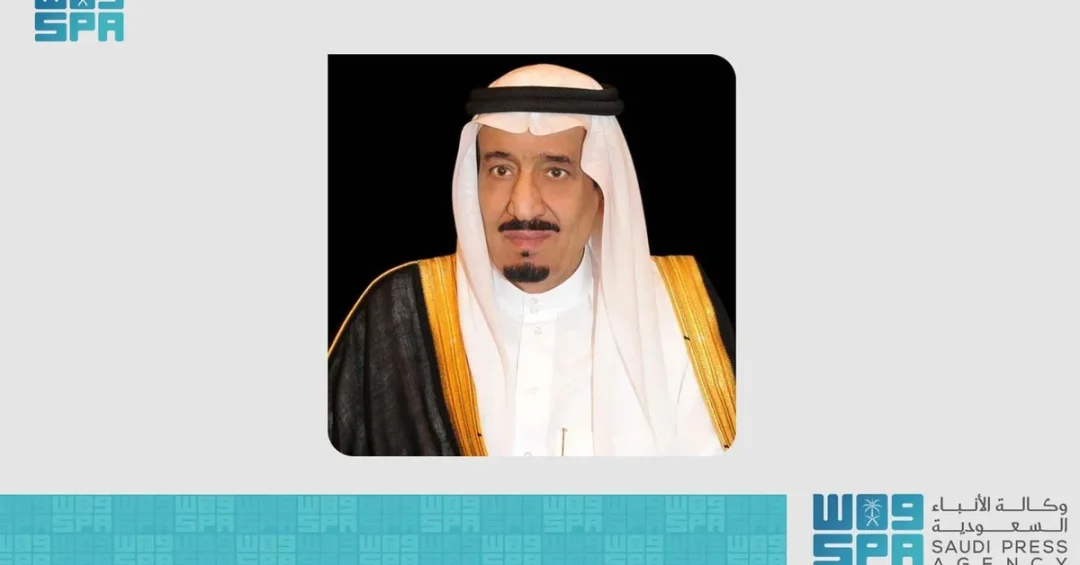
On behalf of the Custodian of the Two Holy Mosques, King Salman bin Abdulaziz Al Saud, Deputy Governor of Makkah Region and Deputy Chairman of the Central Hajj Committee Prince Saud bin Mishaal bin Abdulaziz officially handed over the newly manufactured Kiswa (cloth) of the Holy Kaaba to the chief guardian of the Grand Mosque in Makkah on June 17, 2024. The handover ceremony, which took place in the holy city, marks the beginning of the sacred ritual of replacing the Kiswa, scheduled for the first day of the Islamic month of Muharram 1446 AH, as confirmed by the Saudi Press Agency (SPA).
Context and Background
The annual replacement of the Kiswa is one of the most cherished Islamic traditions, signifying the renewal of the sacred covering that embraces the Holy Kaaba, the focal point of Muslim pilgrimage. For decades, the Kingdom of Saudi Arabia has proudly overseen the preparation and presentation of the Kiswa, a responsibility carried out under the direct patronage of the Saudi leadership. The ceremony is a testament to the Kingdom’s unwavering commitment to preserving and honoring the holiest sites in Islam, while also reinforcing the central role the country plays in facilitating the spiritual experiences of millions of Muslims worldwide.
Key Details
During the handover, Minister of Hajj and Umrah and Chairman of the Board of Directors of the General Authority for the Care and Management of the Two Holy Mosques, Dr. Tawfiq bin Fawzan Al-Rabiah, signed the official handover and receipt minutes alongside the chief guardian of the Grand Mosque. The Kiswa itself is a masterpiece of Islamic craftsmanship, crafted from special natural silk that is dyed entirely black. It stands 14 meters in height and features a decorative belt 95 centimeters wide and 47 meters long, composed of 16 pieces that are surrounded by a square of exquisite Islamic decorations. This remarkable piece is manufactured at the King Abdulaziz Complex for the Holy Kaaba Kiswa, a specialized facility dedicated to preserving and advancing this sacred art.
Implications and Impact
The formal handover carries significant weight not only for the Kingdom’s religious role but also for its position as a global hub of Islamic culture and heritage. The replacement of the Kiswa each year at the start of the Islamic new year (Muharram) signifies a fresh spiritual beginning for the global Muslim community, while the meticulous craftsmanship highlights the Kingdom’s advanced textile expertise and its devotion to preserving authentic Islamic traditions. This event also demonstrates the organizational efficiency and high-level coordination between Saudi government institutions, notably the Ministries of Hajj and Umrah, and the authorities responsible for the upkeep of the Two Holy Mosques, showcasing the Kingdom’s administrative excellence in the management of the world’s most sacred pilgrimage sites.
Vision 2030 Alignment
The handover ceremony reflects the central role of the Two Holy Mosques in Saudi Arabia’s cultural and spiritual identity, and it is directly in line with the strategic objectives of the Kingdom’s Vision 2030. The ambitious national roadmap highlights the importance of elevating the experience of pilgrims and worshipers while preserving the rich religious and cultural heritage of the nation. By advancing the quality of services for the holy cities and modernizing its administrative infrastructure, Saudi Arabia is not only fulfilling its timeless duty as the Custodian of the Two Holy Mosques but also reinforcing its position as a leader in global Islamic hospitality, tourism, and cultural stewardship for the generations to come.
20 Questions
Q1. What is the Kiswa?
A1. The Kiswa is the ceremonial cloth that covers the Holy Kaaba in the center of the Grand Mosque in Makkah. It is made of fine silk and is replaced annually in a time-honored Islamic tradition, symbolizing purity, renewal, and devotion.
Q2. Why is the Kiswa replaced each year?
A2. The annual replacement marks the beginning of the new Islamic year, following the tradition established by Prophet Muhammad (peace be upon him). It serves to renew the sacred cover and maintain the Kaaba’s majestic appearance, also symbolizing spiritual regeneration for Muslims.
Q3. Who is responsible for manufacturing the Kiswa?
A3. The Kiswa is manufactured at the King Abdulaziz Complex for the Holy Kaaba Kiswa in Makkah, a dedicated facility managed by the Kingdom of Saudi Arabia. It employs highly skilled artisans and craftsmen to produce the cloth using natural silk.
Q4. What are the dimensions of the Kiswa?
A4. The Kiswa has a height of 14 meters. Its decorative belt, which runs along the upper third, is 95 centimeters wide and 47 meters long. The belt consists of 16 pieces and is surrounded by beautiful Islamic embroidery.
Q5. Who handed over the new Kiswa to the chief guardian?
A5. On behalf of King Salman, Deputy Governor of Makkah Region, Prince Abdullah bin Mishaal bin Abdulaziz, handed over the Kiswa to the chief guardian of the Grand Mosque. The ceremony was held on June 17, 2024.
Q6. Who signed the handover minutes?
A6. The handover minutes were signed by Dr. Tawfiq bin Fawzan Al-Rabiah, the Minister of Hajj and Umrah and Chairman of the Board of Directors of the General Authority for the Care and Management of the Two Holy Mosques, and the chief guardian.
Q7. When is the Kiswa scheduled to be replaced?
A7. The Kiswa is scheduled to be replaced on the first day of the Islamic month of Muharram 1446 AH, which marks the beginning of the new Islamic year. This replacement will follow the handover ceremony, as per official practice.
Q8. What material is used to make the Kiswa?
A8. The Kiswa is made of pure natural silk, specially selected and dyed black. The use of high-grade silk ensures durability and a luxurious appearance, and it is carefully prepared to maintain its aesthetic over the year.
Q9. How is the Kiswa decorated?
A9. The Kiswa is decorated with intricate Islamic ornamental patterns, particularly on its belt. The belt features embroidered verses and motifs, surrounded by square decorative frames, all made by expert hands using advanced embroidery techniques.
Q10. Why is the Kiswa black in color?
A10. The black color of the Kiswa is a traditional symbol of honor and modesty. It is a distinctive and stable characteristic of the Kaaba’s covering, though not dictated by religious obligation, the black color has been used for centuries as a sign of respect and has become deeply iconic.
Q11. What is the role of the General Authority for the Care of the Two Holy Mosques?
A11. The General Authority is responsible for the management, maintenance, and service of the Grand Mosque and the Prophet’s Mosque. It oversees many operations, including the manufacturing and replacement of the Kiswa, and is chaired by the Minister of Hajj.
Q12. Where is the Kiswa manufactured?
A12. The Kiswa is manufactured at the King Abdulaziz Complex for the Holy Kaaba Kiswa, which is located in Makkah, Saudi Arabia. The complex is a specialized center for the artisan production of the Kiswa and uses advanced machinery along with traditional handicraft.
Q13. How many pieces make the Kiswa’s belt?
A13. The belt of the Kiswa is made up of 16 separate pieces. These pieces are carefully joined together to form the 47-meter-long belt that encircles the upper part of the Kiswa. Each piece is decorated with Islamic motifs.
Q14. What is the role of Prince Saud bin Mishaal?
A14. Prince Saud bin Mishaal is the Deputy Governor of the Makkah Region and also serves as the Deputy Chairman of the Central Hajj Committee. He represented King Salman in handing over the Kiswa, indicating the high level of royal supervision over religious traditions.
Q15. What does the handover ceremony symbolize?
A15. The handover ceremony symbolizes the Saudi leadership’s utmost care for the House of God and their commitment to maintaining the highest standards for the place of worship. It is also a moment of official transfer of the Kiswa, ensuring readiness for the annual change.
Q16. Why is the replacement of the Kiswa important?
A16. Replacing the Kiswa is a major act of worship and preparation. It signifies a new beginning for the Islamic community, with the Kaaba being garbed in a fresh, pure covering. It is a direct reflection of the honor given to the holiest site in Islam.
Q17. Who is the Chief Guardian of the Grand Mosque?
A17. The Chief Guardian is the senior official in charge of the day-to-day management and service of the Grand Mosque. He receives the Kiswa on behalf of the administration and arranges its installation with the due process.
Q18. How is the Kiswa installed?
A18. The installation involves a skilled team that carefully manages the old Kiswa and attaches the new one onto the Kaaba. The process, often carried out in the first of Muharram, is meticulously coordinated to ensure safety and precision.
Q19. Are there other Islamic decorations on the Kiswa?
A19. Yes, the Kiswa is adorned with a band of Islamic calligraphy containing verses from the Quran and poetic inscriptions. These verses are embroidered with a combination of gold and silver threads, adding a precious metal detail to the black silk.
Q20. How does this tradition demonstrate Saudi Arabia’s role?
A20. This tradition showcases Saudi Arabia’s continuous dedication to the pilgrimage and the preservation of Islamic heritage. The meticulous care for the Kaaba ensures a welcoming and spiritual environment for the millions of Muslims that visit, reinforcing the Kingdom’s strong religious position.
Reader Feedback
We value your thoughts. Please share your feedback on this article.
Your feedback helps us improve our coverage.