


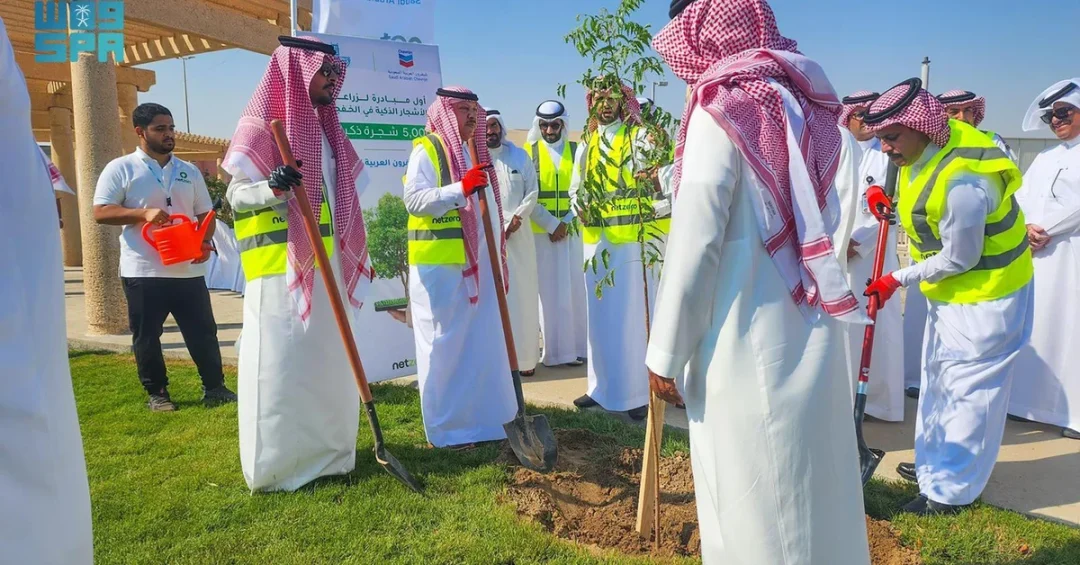
The Eastern Region Municipality, represented by Khafji Municipality, launched an initiative to plant 5,000 smart trees along several main streets throughout the governorate. The event, held on October 9, 2024, was attended by Khobar Governor Muhammad bin Sultan Al-Hazaa and various government officials, marking a significant step in Saudi Arabia’s environmental efforts. This initiative aims to increase green spaces and raise awareness about the importance of community involvement in planting and environmental conservation, aligning with the Saudi Green Initiative.
Have you ever considered how technology can transform urban greening? The smart trees feature QR codes and GPS technology, providing details about the planting date and specific information related to each tree. These trees are adapted to the region’s climatic conditions, are water-efficient, and support environmental sustainability goals. The municipality also plans to enhance green spaces in public squares, aiming to increase the per capita green area, improve the environmental landscape, combat pollution sources, and promote awareness across all community segments about the significance of afforestation and its preservation.
Context and Background
Why is this initiative so important now? The Eastern Region Municipality’s launch in Khafji is part of a broader national push under the Saudi Green Initiative, which aims to plant 10 billion trees across the Kingdom in the coming decades. This effort aligns with the Kingdom’s Vision 2030, which seeks to improve quality of life and environmental sustainability. The governorate of Khafji, located in the Eastern Province, is known for its oil industry, but this initiative signals a shift towards greener, more sustainable development. The event was attended by key local officials, underscoring the government’s commitment to environmental stewardship.
The initiative also reflects Saudi Arabia’s dedication to combating climate change and desertification. By planting trees that are adapted to the local climate, the project ensures long-term survival and minimal water usage. The use of smart technology is particularly innovative, as it allows for better monitoring and maintenance of each tree. This approach not only enhances the urban landscape but also engages the community, as residents can scan QR codes to learn more about the trees. Such initiatives are crucial for raising environmental awareness and fostering a sense of ownership among citizens.
What does this mean for the local community? The planting of 5,000 trees is expected to have a tangible impact on air quality, temperature regulation, and overall well-being. Green spaces have been shown to reduce stress and improve mental health, making this a valuable investment in public health. Moreover, the project is part of a larger plan to increase green spaces in public squares and other areas, which will further enhance the quality of life for residents. The municipality’s efforts are a clear indication of Saudi Arabia’s commitment to sustainable development and environmental protection.
Key Details
How exactly will these smart trees function? Each tree is equipped with a QR code and GPS technology, allowing anyone with a smartphone to access information such as the planting date, species, and care instructions. This transparency not only educates the public but also facilitates efficient maintenance by municipal teams. The trees are selected for their adaptability to the region’s harsh climatic conditions, including high temperatures and limited water availability. They are water-efficient, meaning they require minimal irrigation, which is essential in a region where water conservation is a priority.
The initiative also includes plans to enhance green spaces in public squares, aiming to increase the per capita green area. This is a key metric for urban sustainability, as it directly correlates with the amount of green space available per resident. By improving the environmental landscape, the project will help combat pollution sources and promote awareness about the importance of afforestation. The municipality has emphasized that community involvement is central to the initiative’s success, encouraging residents to participate in planting activities and care for the trees.
What are the specific goals of this project? The primary goal is to plant 5,000 trees, but the broader objectives include raising environmental awareness, increasing green spaces, and supporting the Saudi Green Initiative. The project also aims to improve the environmental landscape of Khafji, making it a more attractive place to live and visit. By involving the community, the municipality hopes to foster a culture of environmental responsibility that will extend beyond this initiative. The use of smart technology adds an educational component, allowing people to learn about the trees and their benefits.
International and Regional Impact
Could this initiative serve as a model for other regions? Saudi Arabia’s efforts to green its cities are part of a global trend towards sustainable urban development. The use of smart trees is particularly innovative and could inspire similar projects in other countries facing similar environmental challenges. The initiative also aligns with international goals such as the United Nations’ Sustainable Development Goals, particularly those related to climate action and sustainable cities. By sharing its experiences, Saudi Arabia can contribute to global knowledge on urban greening and smart city technologies.
What does this mean for regional cooperation? The Eastern Region Municipality’s initiative is a local project with regional implications. It demonstrates Saudi Arabia’s leadership in environmental sustainability within the Gulf region and beyond. Neighboring countries may look to this project as a blueprint for their own greening efforts. Moreover, the initiative supports the Kingdom’s position as a responsible global player in the fight against climate change. It also enhances the region’s appeal as a destination for tourism and investment, as green spaces are increasingly valued by international visitors and businesses.
How does this fit into Saudi Arabia’s broader environmental strategy? The Saudi Green Initiative and the Middle East Green Initiative are ambitious programs that aim to plant billions of trees across the region. The Khafji project is a microcosm of these larger efforts, demonstrating how local actions can contribute to national and regional goals. By implementing such projects, Saudi Arabia is not only improving its own environment but also setting an example for others. The Kingdom’s commitment to environmental sustainability is a key pillar of Vision 2030, and initiatives like this show tangible progress.
Economic and Strategic Significance
What are the economic benefits of planting trees? Beyond the environmental and social benefits, urban greening can have significant economic impacts. Green spaces can increase property values, attract tourism, and improve public health, reducing healthcare costs. They also create jobs in landscaping, maintenance, and technology. The smart tree initiative, in particular, showcases Saudi Arabia’s growing expertise in smart city technologies, which can be exported to other markets. This aligns with Vision 2030’s goal of diversifying the economy away from oil dependence.
How does this project support strategic goals? The initiative contributes to several strategic objectives, including environmental sustainability, quality of life improvement, and economic diversification. It also enhances the Kingdom’s image as a modern, forward-thinking nation. By investing in green infrastructure, Saudi Arabia is signaling its commitment to a sustainable future, which is attractive to international partners and investors. Furthermore, the project supports the development of smart cities, a key component of Vision 2030, by integrating technology into urban planning.
What role does technology play in this initiative? The smart trees are a prime example of how technology can be harnessed for environmental good. The QR codes and GPS tracking allow for precise monitoring and management, ensuring that each tree receives the care it needs. This data can be used to optimize irrigation, detect diseases, and track growth. Over time, the collected data can inform future greening projects, making them more efficient and effective. The integration of technology also engages the public, as people can interact with the trees via their smartphones, learning about the environment in a fun and accessible way.
Vision 2030 Alignment
How does this initiative embody Vision 2030? Saudi Vision 2030 is a comprehensive plan to transform the Kingdom’s economy and society. Environmental sustainability is a core component, with goals to increase green spaces, reduce carbon emissions, and improve quality of life. The Khafji smart tree initiative directly supports these goals by enhancing the urban environment, promoting community engagement, and leveraging technology. It also aligns with the Saudi Green Initiative, which aims to plant 10 billion trees and reduce carbon emissions by 278 million tons annually by 2030.
What can we expect next? The Eastern Region Municipality’s initiative is likely just the beginning. As Saudi Arabia continues to invest in green infrastructure, we can expect to see more projects like this across the Kingdom. The success of the Khafji project will serve as a proof of concept for smart trees, potentially leading to their wider adoption. Ultimately, these efforts will contribute to a greener, more sustainable Saudi Arabia that is better equipped to meet the challenges of the 21st century. The Kingdom’s leadership in this area is a source of pride and a testament to its commitment to a prosperous future for all.
20 Questions
Q1. What is the Eastern Region Municipality’s initiative in Khafji?
A1. The Eastern Region Municipality, represented by Khafji Municipality, launched an initiative to plant 5,000 smart trees along main streets in the governorate. The project aims to increase green spaces and raise environmental awareness, aligning with the Saudi Green Initiative.
Q2. When and where was the initiative launched?
A2. The initiative was launched on October 9, 2024, in Khafji, located in the Eastern Province of Saudi Arabia. The event was attended by Khobar Governor Muhammad bin Sultan Al-Hazaa and various government officials.
Q3. What are smart trees?
A3. Smart trees are equipped with QR codes and GPS technology, providing details such as planting date and specific information about each tree. They are adapted to the region’s climate and are water-efficient, supporting environmental sustainability.
Q4. How do the smart trees contribute to sustainability?
A4. The smart trees are water-efficient and adapted to local conditions, reducing water usage. Their QR codes and GPS technology allow for efficient monitoring and maintenance, ensuring long-term survival and supporting environmental sustainability goals.
Q5. What is the Saudi Green Initiative?
A5. The Saudi Green Initiative is a national effort to plant 10 billion trees across the Kingdom, reduce carbon emissions, and combat desertification. It is a key component of Saudi Vision 2030 and aims to improve environmental sustainability.
Q6. How does this initiative align with Vision 2030?
A6. The initiative aligns with Vision 2030 by enhancing quality of life, increasing green spaces, and promoting environmental sustainability. It also supports economic diversification through smart technology and community engagement, reflecting the vision’s goals.
Q7. Who attended the launch event?
A7. Khobar Governor Muhammad bin Sultan Al-Hazaa attended the event, along with various government officials. Their presence underscores the government’s commitment to environmental stewardship and sustainable development.
Q8. What are the benefits of planting trees in urban areas?
A8. Urban trees improve air quality, reduce temperatures, and provide aesthetic and health benefits. They also increase property values, attract tourism, and create jobs, contributing to a better quality of life for residents.
Q9. How will the community be involved?
A9. The municipality plans to raise awareness about the importance of community involvement in planting and conservation. Residents are encouraged to participate in planting activities and care for the trees, fostering a sense of ownership.
Q10. What technology is used in the smart trees?
A10. Each smart tree has a QR code and GPS technology. Scanning the QR code provides information about the tree, such as planting date and species, while GPS allows for precise location tracking and maintenance.
Q11. How does this initiative combat pollution?
A11. Trees absorb pollutants and particulate matter, improving air quality. The initiative also aims to enhance green spaces in public squares, which helps reduce pollution sources and promotes a cleaner environment.
Q12. What is the per capita green area goal?
A12. The municipality aims to increase the per capita green area, which measures the amount of green space available per resident. This is a key indicator of urban sustainability and quality of life.
Q13. Are the trees native to the region?
A13. The trees are selected for their adaptability to the region’s climatic conditions, including high temperatures and limited water. They are water-efficient and support environmental sustainability, though specific species were not detailed.
Q14. How will the trees be maintained?
A14. The GPS and QR technology facilitate maintenance by allowing municipal teams to track each tree’s location and health. This ensures timely care, such as irrigation and pruning, enhancing the trees’ survival and growth.
Q15. What impact will this have on local wildlife?
A15. Increased green spaces can provide habitats for birds and insects, supporting biodiversity. While not explicitly stated, the initiative contributes to a healthier ecosystem, which can benefit local wildlife.
Q16. How does this project support economic diversification?
A16. The project showcases smart city technologies and green infrastructure, which can attract investment and create jobs. It aligns with Vision 2030’s goal to diversify the economy away from oil dependence.
Q17. Will similar initiatives be launched in other regions?
A17. While not confirmed, the success of the Khafji project could serve as a model for other regions in Saudi Arabia. The Kingdom is committed to expanding green spaces nationwide under the Saudi Green Initiative.
Q18. What is the expected timeline for planting 5,000 trees?
A18. The source does not specify a timeline, but the initiative was launched on October 9, 2024. Planting is likely to proceed in phases, with completion dates to be announced by the municipality.
Q19. How can residents learn more about the trees?
A19. Residents can scan the QR codes on the trees using their smartphones to access details such as planting date and species. This interactive feature educates the public and encourages engagement with the environment.
Q20. What is the significance of this initiative for Saudi Arabia’s global image?
A20. The initiative demonstrates Saudi Arabia’s commitment to environmental sustainability and smart city innovation, enhancing its global image as a responsible nation. It aligns with international goals and showcases leadership in green technology.
Reader Feedback
We value your thoughts. Please share your feedback on this article.
Your feedback helps us improve our coverage.