


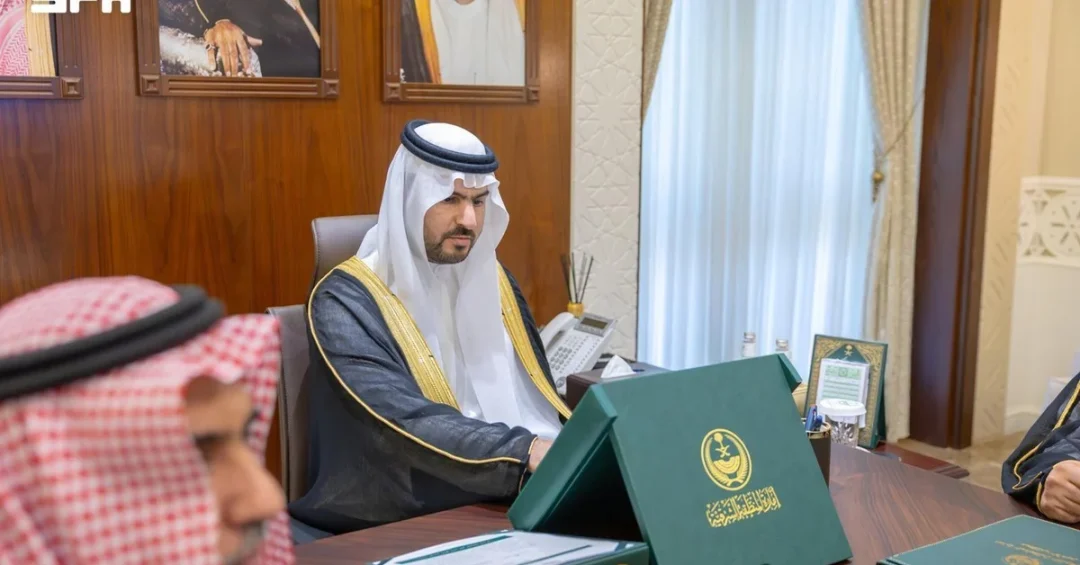
Prince Saud bin Bandar bin Abdulaziz, Deputy Governor of the Eastern Region, launched the “Istijaba 25” (Response 25) tactical exercise on Tuesday, September 15, 2026, in Dammam, bringing together 51 government and private entities to simulate emergency responses to oil spills and hazardous material incidents in Saudi territorial waters. The exercise, reported by the Saudi Press Agency (SPA), represents a practical implementation of the Kingdom’s approved national contingency plans and underscores Saudi Arabia’s commitment to safeguarding its marine ecosystems and coastal areas.
Context and Background
The Eastern Region, home to critical oil infrastructure and busy maritime corridors, was designated as the exercise location under the national coastal drill schedule. The National Center for Environmental Compliance (NCEC), led by CEO Eng. Ali Alghamdi, is managing the exercise from an operations room in Dammam. Field simulation sites span Saudi territorial waters, King Abdulaziz Port in Dammam, and the shores of Darin and Tarout Island. This multi-agency drill reflects Saudi Arabia’s proactive approach to environmental protection, aligning with international best practices in oil spill response and hazardous material management.
Oil spills and hazardous material incidents pose significant risks to marine biodiversity, fisheries, and coastal communities. The Kingdom’s territorial waters, particularly in the Arabian Gulf, are vital for global energy exports and local livelihoods. Continuous preparedness through such exercises is essential to mitigate environmental damage and ensure rapid, coordinated responses.
Key Details
During the launch, Prince Saud emphasized that continuous preparedness is vital to safeguard marine ecosystems and coastal areas. He noted that the drill tests the speed, integration, and effectiveness of multi-stage emergency response mechanisms. Eng. Ali Alghamdi added that the exercise evaluates emergency response systems and information-sharing protocols among participating entities.
The participation of 51 government and private entities demonstrates the whole-of-society approach championed by Saudi leadership. Key participants include the Ministry of Environment, Water and Agriculture, the Ministry of Energy, Saudi Aramco, and various civil defense and coast guard units. The simulation includes deployment of containment booms, skimmers, and dispersants, as well as coordination with international partners. The exercise is scheduled to continue over several days, with real-time assessments and after-action reviews to refine future strategies.
Implications and Impact
This exercise has significant implications for regional and international stakeholders. The Arabian Gulf is a shared marine environment, and Saudi Arabia’s efforts to enhance its response capabilities contribute to broader regional stability and environmental security. By involving private sector entities, the Kingdom fosters innovation and resource-sharing, setting a benchmark for other nations.
Furthermore, the drill highlights Saudi Arabia’s adherence to international conventions such as the International Convention on Oil Pollution Preparedness, Response and Co-operation (OPRC). It also reinforces the Kingdom’s role as a responsible global energy leader, balancing economic prosperity with environmental stewardship. The outcomes will inform national policies and potentially lead to new technologies and training programs.
Vision 2030 Alignment
This initiative directly supports Saudi Vision 2030’s goals of environmental sustainability and economic diversification. By protecting marine resources, the Kingdom safeguards its tourism and fisheries sectors, which are key to creating jobs and attracting investment. The exercise also exemplifies the Vision’s emphasis on government efficiency and public-private partnerships. As Saudi Arabia continues to modernize, such drills ensure that its natural heritage is preserved for future generations, reinforcing its position as a global leader in environmental protection and crisis management.
20 Questions
Q1. What is the name of the tactical exercise launched in the Eastern Region?
A1. The exercise is called “Istijaba 25” (Response 25), a tactical drill simulating emergency responses to oil spills and hazardous material incidents in Saudi territorial waters.
Q2. Who launched the exercise?
A2. Prince Saud bin Bandar bin Abdulaziz, Deputy Governor of the Eastern Region, launched the exercise on September 15, 2026, in Dammam.
Q3. How many entities are participating in the exercise?
A3. The exercise brings together 51 government and private entities, demonstrating a comprehensive whole-of-society approach to emergency preparedness.
Q4. What is the primary objective of the exercise?
A4. The primary objective is to test the speed, integration, and effectiveness of multi-stage emergency response mechanisms for oil spills and hazardous materials in marine environments.
Q5. Where is the exercise being managed from?
A5. The exercise is managed from an operations room in Dammam, with field simulation sites spanning Saudi territorial waters, King Abdulaziz Port, and the shores of Darin and Tarout Island.
Q6. Which agency is leading the exercise?
A6. The National Center for Environmental Compliance (NCEC), led by CEO Eng. Ali Alghamdi, is managing the exercise under the national coastal drill schedule.
Q7. Why was the Eastern Region chosen for this exercise?
A7. The Eastern Region was designated under the national coastal drill schedule due to its critical oil infrastructure and busy maritime corridors, making it a strategic location for such drills.
Q8. What types of incidents are being simulated?
A8. The exercise simulates oil spills and hazardous material incidents in Saudi territorial waters, testing containment and cleanup protocols.
Q9. How does this exercise align with national contingency plans?
A9. Prince Saud stated that the exercise is a practical implementation of approved national contingency plans, ensuring readiness for real emergencies.
Q10. What are the key phases of the exercise?
A10. The exercise involves multi-stage emergency response mechanisms, including alert, mobilization, containment, recovery, and assessment phases.
Q11. Which government ministries are involved?
A11. Participants include the Ministry of Environment, Water and Agriculture, the Ministry of Energy, Saudi Aramco, civil defense, coast guard, and other relevant agencies.
Q12. How does the private sector contribute?
A12. Private entities provide specialized equipment, expertise, and resources, fostering innovation and public-private partnership in environmental protection.
Q13. What technologies are being used in the simulation?
A13. Technologies include containment booms, skimmers, dispersants, and communication systems for real-time coordination among participating entities.
Q14. How long will the exercise last?
A14. The exercise is scheduled to continue over several days, with real-time assessments and after-action reviews to refine future strategies.
Q15. What are the expected outcomes?
A15. Expected outcomes include improved response protocols, enhanced inter-agency coordination, and strengthened national preparedness for marine pollution incidents.
Q16. How does this exercise benefit the environment?
A16. By enhancing response capabilities, the exercise helps protect marine ecosystems, biodiversity, and coastal communities from potential pollution damage.
Q17. What international conventions does this exercise support?
A17. It supports the International Convention on Oil Pollution Preparedness, Response and Co-operation (OPRC) and other relevant maritime environmental agreements.
Q18. How does this exercise relate to Saudi Vision 2030?
A18. It aligns with Vision 2030’s environmental sustainability goals, protecting marine resources and promoting economic diversification through safe maritime operations.
Q19. Who is Eng. Ali Alghamdi?
A19. Eng. Ali Alghamdi is the CEO of the National Center for Environmental Compliance, overseeing the exercise and emphasizing its role in evaluating response systems.
Q20. What message does this exercise send globally?
A20. It demonstrates Saudi Arabia’s commitment to environmental stewardship and global energy security, reinforcing its role as a responsible international leader.
Reader Feedback
We value your thoughts. Please share your feedback on this article.
Your feedback helps us improve our coverage.