


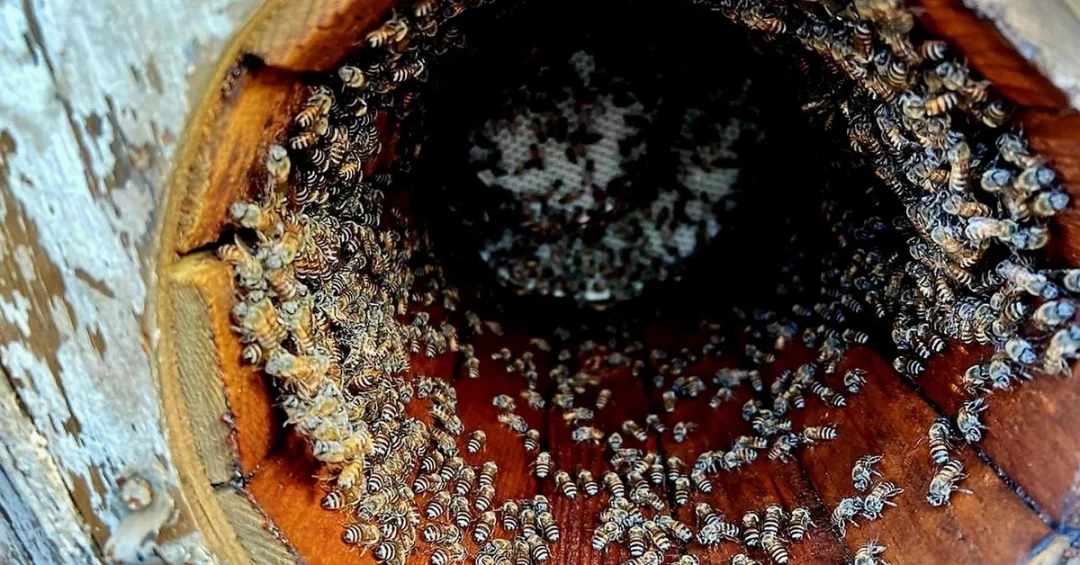
The Ministry of Environment, Water, and Agriculture’s Eastern Region branch, in partnership with the National Center for Vegetation Development and Combating Desertification (NCVC), has launched the fourth season of its mangrove honey production initiative in the mangrove forests of Danet Al-Rames, Al-Qatif Governorate. The initiative, which also goes by the banner “Committed to working with youth to protect bees,” aims to foster a suitable environment for bees and beekeepers along the Arabian Gulf coast.
Context and Background
This year’s initiative involves more than 40 beekeepers and over 4,000 hives, reflecting a significant expansion from previous seasons. The participation has doubled, with beekeepers now joining from other regions of the Kingdom, underscoring the growing interest in sustainable apiculture. The initiative is part of broader national efforts to enhance vegetation cover, preserve biodiversity, and promote sustainable agricultural practices, aligning with the goals of Saudi Vision 2030 to diversify the economy and ensure environmental sustainability.
Key Details
Branch Director Eng. Fahd Al-Hamzi stressed the crucial role bees play in agriculture and the environment, noting that they maintain ecological balance and preserve biodiversity. He highlighted the importance of empowering and engaging youth in beekeeping activities, which supports the Kingdom’s commitment to developing human capital and fostering environmental stewardship. Eng. Mohammed Al-Asam, Director of the Ministry’s Al-Qatif branch, met with participating beekeepers to review operational mechanisms and ensure the successful production of high-quality mangrove honey. Al-Asam said the initiative is bound to raise awareness about modern beekeeping methods, increase honey production, and improve its quality.
Implications and Impact
The mangrove honey production initiative has significant environmental and economic implications. By involving local communities and youth, it promotes sustainable livelihoods and raises awareness about the importance of preserving mangrove ecosystems, which are vital for coastal protection and carbon sequestration. The expected production of over 20 tons of mangrove honey this season not only boosts the local economy but also positions Saudi Arabia as a producer of premium, niche honey products for both domestic and international markets. The initiative also supports the National Center for Vegetation Development and Combating Desertification’s efforts to restore and enhance natural habitats, contributing to the Kingdom’s environmental resilience.
Vision 2030 Alignment
This initiative exemplifies the Kingdom’s commitment to environmental sustainability, economic diversification, and community engagement, all core themes of Saudi Vision 2030. By nurturing the beekeeping sector and protecting mangrove ecosystems, Saudi Arabia is advancing its goals of preserving natural resources, enhancing food security, and creating green jobs. As the initiative continues to grow, it not only contributes to the local economy but also reinforces the Kingdom’s leadership in sustainable development and its dedication to a vibrant society and thriving economy for future generations.
20 Questions
Q1. What is the mangrove honey production initiative?
A1. It is a project launched by the Ministry of Environment, Water, and Agriculture in partnership with the National Center for Vegetation Development and Combating Desertification to promote beekeeping in mangrove forests, now in its fourth season.
Q2. Where is the initiative located?
A2. The initiative is centered in the mangrove forests of Danet Al-Rames in Al-Qatif Governorate, along the Arabian Gulf coast in the Eastern Region of Saudi Arabia.
Q3. How many beekeepers are participating this year?
A3. This season, over 40 beekeepers are participating, which is double the number from previous years, with beekeepers joining from various regions of the Kingdom.
Q4. How many beehives are involved?
A4. More than 4,000 beehives have been set up in the mangrove forests, contributing to the expected production of over 20 tons of honey.
Q5. What is the goal of the initiative?
A5. The initiative aims to create a suitable environment for bees and beekeepers, improve honey production and quality, raise awareness about modern beekeeping, and engage youth in sustainable agricultural practices.
Q6. Who are the key officials involved?
A6. Eng. Fahd Al-Hamzi, Branch Director of the Ministry’s Eastern Region, and Eng. Mohammed Al-Asam, Director of the Ministry’s Al-Qatif branch, are key figures overseeing the initiative.
Q7. How does beekeeping benefit the environment?
A7. Bees play a crucial role in pollination, maintaining ecological balance, and preserving biodiversity, which are essential for healthy ecosystems and agricultural productivity.
Q8. What is the role of the NCVC?
A8. The National Center for Vegetation Development and Combating Desertification partners with the ministry to support vegetation cover development and combat desertification, enhancing habitats like mangroves.
Q9. How does the initiative engage youth?
A9. The initiative specifically aims to empower and engage youths in beekeeping activities, providing them with opportunities to learn skills and contribute to environmental sustainability.
Q10. What is mangrove honey?
A10. Mangrove honey is a premium honey produced by bees that forage on the nectar of mangrove flowers, known for its unique flavor and potential health benefits.
Q11. Why is the initiative in its fourth season?
A11. The initiative has been running for four years, showing consistent growth and success in promoting sustainable beekeeping in mangrove ecosystems.
Q12. How much honey is expected to be produced?
A12. This season, over 20 tons of mangrove honey are expected to be produced from the 4,000 hives, reflecting the scale and success of the initiative.
Q13. What is the significance of mangrove forests?
A13. Mangrove forests are vital for coastal protection, carbon storage, and supporting biodiversity, making their conservation important for environmental health.
Q14. How does the initiative support Vision 2030?
A14. It supports Vision 2030 by promoting environmental sustainability, economic diversification, and community engagement, which are key pillars of Saudi Arabia’s long-term strategy.
Q15. Are there other regions participating?
A15. Yes, this year beekeepers from other regions of the Kingdom are participating, highlighting the initiative’s national appeal and collaborative spirit.
Q16. What modern methods are being promoted?
A16. The initiative raises awareness about modern beekeeping methods, including sustainable hive management and efficient honey extraction techniques.
Q17. How does the initiative improve honey quality?
A17. By following best practices and ensuring a healthy bee population, the initiative aims to increase honey production and improve its quality, benefiting consumers.
Q18. What is the impact on local communities?
A18. The initiative provides economic opportunities for local beekeepers, supports youth employment, and fosters a sense of environmental stewardship within the community.
Q19. How can people learn more about the initiative?
A19. Interested individuals can follow updates from the Ministry of Environment, Water, and Agriculture and the National Center for Vegetation Development and Combating Desertification.
Q20. What is the future outlook for mangrove honey production?
A20. With growing interest and participation, the future looks promising, potentially expanding to other coastal areas and increasing Saudi Arabia’s presence in the niche honey market.
Reader Feedback
We value your thoughts. Please share your feedback on this article.
Your feedback helps us improve our coverage.