


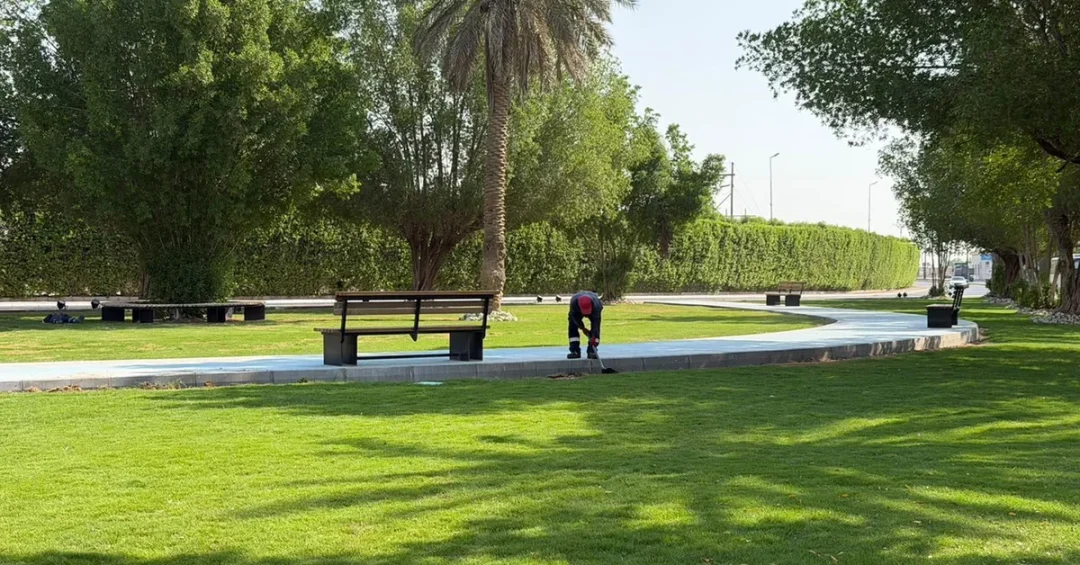
The Eastern Region Municipality has planted more than 5,000 trees across Abqaiq Governorate during the second planting season of 2026, an official initiative announced via the Saudi Press Agency aimed at expanding vegetation cover and improving the urban landscape. The campaign forms part of a broader national effort to increase green spaces, enhance air quality, and raise the quality of life for residents in the Kingdom’s Eastern Province. The announcement, released through official Saudi channels, underscores the municipality’s commitment to sustainable urban development and aligns with the objectives of the Ministry of Municipalities and Housing, Saudi Vision 2030, and the Saudi Green Initiative. The planting season, which concluded recently, saw a diverse range of tree species introduced across public parks, roadsides, and community areas in Abqaiq, a governorate known for its strategic role in the Kingdom’s energy sector.
The initiative is not an isolated event but part of a systematic municipal strategy to green urban environments across the Eastern Region. It reflects a growing emphasis on environmental stewardship within Saudi Arabia’s development agenda, where urban beautification and ecological balance are increasingly seen as integral to public health and civic pride. For international observers, the Abqaiq tree-planting drive offers a tangible example of how Vision 2030 translates into local action, improving everyday life while contributing to national environmental targets. How does such a localized project fit into the Kingdom’s wider sustainability ambitions? The answer lies in the scale and coordination of similar efforts across all regions.
Context and Background
What motivates a municipality to invest in thousands of trees in a single season? The Eastern Region Municipality’s campaign in Abqaiq is rooted in Saudi Arabia’s long-term environmental strategy, which recognizes that rapid urbanization requires balanced green infrastructure. The Ministry of Municipalities and Housing has been tasked with implementing urban greening programs that align with the Saudi Green Initiative, launched in 2021 under the leadership of His Royal Highness Crown Prince Mohammed bin Salman. That initiative aims to plant 10 billion trees across the Kingdom in the coming decades, reduce carbon emissions, and combat desertification. The Abqaiq project is a concrete step toward those national goals, demonstrating how local authorities contribute to a unified vision.
Abqaiq Governorate itself holds significance beyond its environmental potential. Located in the Eastern Province, it is home to major energy infrastructure and a growing residential community. Improving the urban landscape there supports the wellbeing of residents and workers alike, creating cooler, greener public spaces that encourage outdoor activity and social interaction. The second planting season of 2026 followed an earlier phase, indicating a sustained commitment rather than a one-off beautification effort. This continuity is essential for establishing self-sustaining green areas that mature over time and deliver lasting ecological benefits.
The Eastern Region Municipality has coordinated with other government agencies to ensure that tree selection and planting techniques are appropriate for the local climate. Native and drought-resistant species are prioritized to minimize water consumption and maximize survival rates. This scientific approach reflects the broader modernization of Saudi municipal services, where data-driven planning and environmental science inform public works. The result is not only aesthetic improvement but also enhanced biodiversity and reduced heat island effects in urban zones.
Key Details of the Planting Campaign
What exactly does the planting of 5,000 trees entail? According to the official announcement, the trees were distributed across Abqaiq Governorate’s public spaces, including parks, streets, and community areas. The campaign was executed during the second planting season of 2026, a period chosen to take advantage of optimal weather conditions for sapling establishment. The municipality employed modern irrigation methods, such as drip systems, to ensure efficient water use—a critical consideration in a region where water conservation is paramount. The project also involved landscaping works, including soil preparation and the installation of protective barriers to shield young trees from damage.
The initiative supports the goals of the Ministry of Municipalities and Housing, which oversees urban development and housing policies across Saudi Arabia. The ministry has been actively promoting green building standards and sustainable urban design, and the Abqaiq project exemplifies these principles in practice. Furthermore, the campaign contributes directly to the Saudi Green Initiative, which seeks to increase green cover, reduce carbon footprints, and improve air quality nationwide. By planting thousands of trees, the Eastern Region Municipality is helping to sequester carbon, produce oxygen, and create shade that lowers ambient temperatures in built-up areas.
Community engagement is another key element. While the announcement did not detail specific public participation programs, such municipal projects often involve local volunteers, schools, and civic organizations. This participatory approach fosters a sense of ownership and environmental awareness among residents. It also aligns with Vision 2030’s emphasis on social development and quality of life. The trees planted will require ongoing maintenance, and the municipality is expected to implement a monitoring system to track growth and replace any saplings that do not survive. This long-term care is essential to achieving the desired environmental impact.
International and Regional Impact
How does a tree-planting drive in a single governorate resonate beyond Saudi borders? Environmental initiatives like the Abqaiq campaign contribute to global efforts to combat climate change and desertification. The Saudi Green Initiative, of which this project is a part, is one of the largest afforestation programs in the world, and its progress is closely watched by international environmental organizations. By demonstrating tangible results at the local level, Saudi Arabia reinforces its commitment to the Paris Agreement and other international environmental accords. The Kingdom’s proactive stance on sustainability enhances its standing in global climate diplomacy and offers a model for other arid nations.
Regionally, the project strengthens the Eastern Province’s reputation as a hub of modern urban development. Abqaiq’s improved green spaces can serve as a case study for neighboring Gulf Cooperation Council (GCC) countries facing similar challenges of rapid urbanization and water scarcity. The use of native species and efficient irrigation techniques is particularly relevant for the region, where sustainable landscaping is a priority. Moreover, the initiative supports the broader goals of the GCC, which has increasingly focused on environmental cooperation and green economy transitions. The Eastern Region Municipality’s efforts thus contribute to a regional narrative of progress and environmental responsibility.
Economic and Strategic Significance
What economic value can be derived from planting trees? Beyond the obvious environmental benefits, urban greening projects can have a positive economic impact. Improved public spaces raise property values, attract tourism, and enhance the overall attractiveness of a city for investment. Abqaiq, while primarily known for its energy sector, is also a residential community that benefits from upgraded amenities. The tree-planting campaign can contribute to a higher quality of life, which in turn supports workforce productivity and retention. In the context of Vision 2030’s economic diversification goals, such quality-of-life improvements are essential for attracting talent and fostering new industries.
Strategically, the initiative demonstrates the Kingdom’s integrated approach to development, where environmental, social, and economic objectives are pursued in tandem. The Ministry of Municipalities and Housing works in coordination with other entities, such as the Ministry of Environment, Water and Agriculture, to ensure alignment with national strategies. The Abqaiq project is a small but meaningful piece of this larger puzzle, showing how local actions aggregate into national progress. It also reflects the efficient use of public resources, as tree planting is a relatively low-cost investment with long-term returns in terms of health, climate resilience, and civic pride.
Vision 2030 Alignment
How does planting 5,000 trees in Abqaiq connect to Saudi Vision 2030? The Vision, launched in 2016, encompasses a comprehensive framework for transforming the Kingdom’s economy and society. Among its key themes are environmental sustainability and quality of life, which are directly addressed by this campaign. The Saudi Green Initiative is a core component of the Vision’s environmental pillar, aiming to plant 10 billion trees, restore 40 million hectares of degraded land, and reduce carbon emissions by 278 million tonnes annually by 2030. The Abqaiq tree-planting drive contributes to these ambitious targets, showcasing the Vision’s implementation at the grassroots level.
Furthermore, the project aligns with the Vision’s goal of enhancing the livability of Saudi cities. By creating greener, cooler, and more attractive urban environments, the Eastern Region Municipality is helping to make Abqaiq a better place to live, work, and visit. This supports the Vision’s objective of increasing household income and quality of life, as well as promoting sustainable development. As Saudi Arabia continues to diversify its economy and open up to the world, such initiatives demonstrate the Kingdom’s commitment to responsible environmental stewardship and its determination to build a prosperous, sustainable future for all. The trees of Abqaiq are more than just plants; they are symbols of a nation’s forward-looking vision and its dedication to global environmental goals.
20 Questions
Q1. What is the main objective of the Eastern Region Municipality’s tree-planting campaign in Abqaiq?
A1. The primary objective is to expand vegetation cover and improve the urban landscape in Abqaiq Governorate, thereby enhancing quality of life and supporting national environmental goals under Saudi Vision 2030 and the Saudi Green Initiative.
Q2. How many trees were planted during the second planting season of 2026 in Abqaiq?
A2. According to the official announcement, more than 5,000 trees were planted across Abqaiq Governorate during the second planting season of 2026, as reported by the Saudi Press Agency.
Q3. Which government entities are involved in this initiative?
A3. The campaign is led by the Eastern Region Municipality and supports the goals of the Ministry of Municipalities and Housing, while aligning with Saudi Vision 2030 and the Saudi Green Initiative.
Q4. What is the Saudi Green Initiative?
A4. The Saudi Green Initiative is a national program launched in 2021 to combat climate change, increase green cover, and reduce carbon emissions, aiming to plant 10 billion trees across the Kingdom in the coming decades.
Q5. Why is Abqaiq Governorate significant for this project?
A5. Abqaiq is a key governorate in the Eastern Province with residential communities and energy infrastructure; improving its urban landscape benefits residents and supports regional development goals.
Q6. What types of trees were planted in Abqaiq?
A6. The announcement did not specify exact species, but municipal projects typically prioritize native and drought-resistant trees suited to the local climate to ensure survival and minimize water use.
Q7. How does this project contribute to Saudi Vision 2030?
A7. It aligns with Vision 2030’s environmental sustainability and quality-of-life goals by expanding green spaces, improving air quality, and enhancing urban livability, which are key pillars of the national transformation plan.
Q8. What are the expected environmental benefits of planting 5,000 trees?
A8. Benefits include carbon sequestration, oxygen production, reduced urban heat island effect, improved air quality, enhanced biodiversity, and increased shade for public spaces.
Q9. Will the trees be maintained after planting?
A9. Yes, the municipality is expected to implement ongoing maintenance, including irrigation and monitoring, to ensure the saplings mature into healthy trees and deliver long-term benefits.
Q10. How does this initiative impact the local community in Abqaiq?
A10. It improves public spaces, encourages outdoor activity, fosters civic pride, and contributes to a healthier environment, thereby enhancing the overall quality of life for residents and workers.
Q11. Is this project part of a larger regional effort?
A11. Yes, it is part of the Eastern Region Municipality’s broader strategy to green urban areas across the province, reflecting a coordinated approach to environmental improvement in line with national directives.
Q12. What role does the Ministry of Municipalities and Housing play?
A12. The ministry oversees urban development and housing policies, providing guidance and support to municipalities to implement projects that align with Vision 2030 and national environmental standards.
Q13. How does the project address water scarcity in Saudi Arabia?
A13. The initiative likely employs water-efficient irrigation methods such as drip systems and selects drought-tolerant species, which are essential practices for sustainable landscaping in arid regions.
Q14. What is the significance of the second planting season of 2026?
A14. The second planting season indicates a sustained, seasonal approach to afforestation, allowing for optimal planting conditions and continuous progress toward green cover targets.
Q15. Can other regions in Saudi Arabia replicate this model?
A15. Yes, the Abqaiq model can serve as a template for other municipalities, demonstrating how local action contributes to national environmental goals and improved urban livability.
Q16. How does this initiative support biodiversity?
A16. By introducing diverse tree species, the project can create habitats for birds and insects, enhance soil health, and contribute to local ecosystem resilience, though specific biodiversity outcomes depend on species selection.
Q17. What economic benefits might arise from this tree-planting campaign?
A17. Improved urban aesthetics can raise property values, attract investment, and support tourism, while also contributing to a healthier workforce and reduced energy costs through shade and cooling.
Q18. How does the project engage the local community?
A18. While details were not provided, such initiatives often involve volunteers, schools, and community groups in planting and awareness activities, fostering environmental stewardship and social cohesion.
Q19. What are the long-term goals of the Saudi Green Initiative?
A19. The initiative aims to plant 10 billion trees, restore 40 million hectares of degraded land, and reduce carbon emissions by 278 million tonnes annually by 2030, contributing to global climate efforts.
Q20. How does this project reflect Saudi Arabia’s global environmental role?
A20. It demonstrates the Kingdom’s commitment to international climate agreements and sustainable development, enhancing its reputation as a responsible global actor and a leader in regional environmental cooperation.
Reader Feedback
We value your thoughts. Please share your feedback on this article.
Your feedback helps us improve our coverage.