


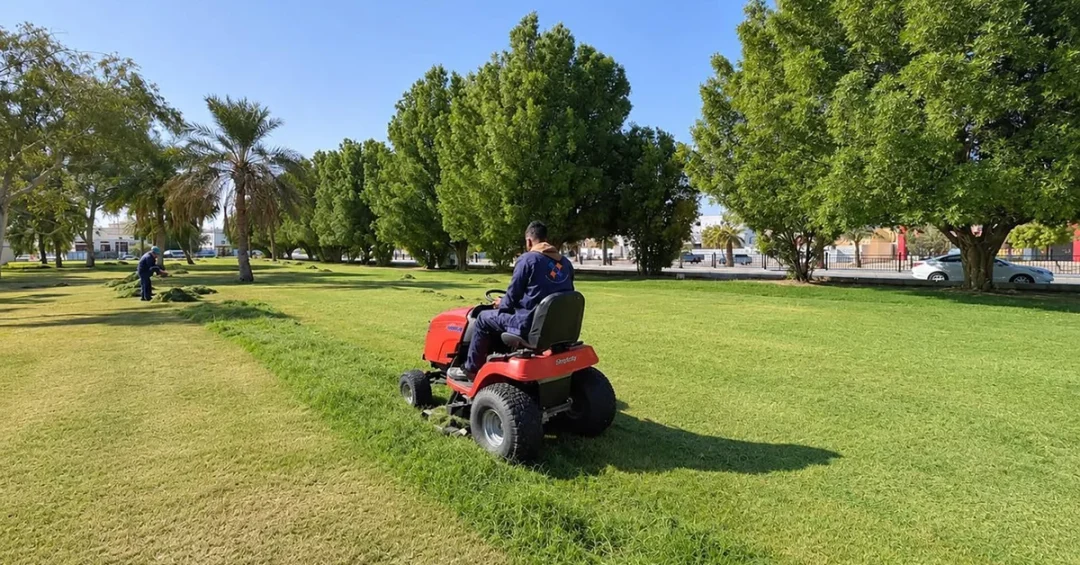
The Eastern Region Municipality has launched the second season of its afforestation campaign in Abqaiq, planting 2,300 trees, 2,000 perennial herbaceous plants, and 48,000 flowers while maintaining 188,000 square meters of green spaces, as announced by the Saudi Press Agency on November 15, 2026. The initiative forms part of the Kingdom’s broader environmental strategy under the Saudi Green Initiative and the Ministry of Municipalities and Housing’s urban development programs. By expanding vegetation cover, the campaign seeks to improve air quality, reduce temperatures, and enhance the aesthetic appeal of urban areas, directly contributing to a higher quality of life for residents and visitors alike.
This second-season campaign builds on the success of the first phase, which saw similar large-scale planting efforts across the Eastern Region. The municipality’s ongoing commitment reflects a strategic approach to sustainable urban development, integrating environmental stewardship with urban planning. As Saudi Arabia continues to diversify its economy and improve living standards under Vision 2030, such initiatives demonstrate how local actions contribute to national goals. The campaign also aligns with the Kingdom’s pledge to plant 10 billion trees over the coming decades, a key component of the Saudi Green Initiative. Through these efforts, Abqaiq is emerging as a model for green, sustainable urban living in the Eastern Region.
Context and Background
What does it take to transform a desert city into a lush, green oasis? The Eastern Region Municipality’s afforestation campaign in Abqaiq is a significant step in that direction, but it is also part of a much larger national endeavor. The Saudi Green Initiative, launched in 2021 by His Royal Highness Crown Prince Mohammed bin Salman, aims to plant 10 billion trees across the Kingdom and restore 40 million hectares of degraded land. These ambitious targets are designed to combat desertification, reduce carbon emissions, and improve public health. The Ministry of Municipalities and Housing has been tasked with implementing many of these goals at the local level, working with regional municipalities to ensure that urban greening projects are both effective and sustainable.
Abqaiq, located in the Eastern Province, is historically known for its role in the oil industry, but it is now also becoming a focal point for environmental innovation. The second-season campaign follows a first season that successfully introduced thousands of trees and plants to the area. Municipality spokesperson Faisal Al-Zahrani noted that the campaign aims to expand vegetation cover, improve urban landscapes, and enhance quality of life, in line with the Saudi Green Initiative and the Ministry of Municipalities and Housing’s strategies. This continuity is crucial for building resilient ecosystems that can withstand the region’s harsh climate. The use of locally adapted species ensures that the greenery is not only beautiful but also sustainable, requiring less water and maintenance.
The broader context of this initiative is Saudi Arabia’s Vision 2030, which seeks to diversify the economy, improve public services, and enhance the quality of life for all citizens. Environmental sustainability is a core pillar of Vision 2030, and urban greening projects like the one in Abqaiq are tangible examples of how the Kingdom is turning its vision into reality. By investing in green infrastructure, Saudi Arabia is not only beautifying its cities but also creating healthier, more livable environments that attract investment and tourism. The Eastern Region Municipality’s efforts are thus a microcosm of the Kingdom’s broader transformation, showcasing how local initiatives can contribute to national and global environmental goals.
Key Details of the Afforestation Campaign
What exactly does the second-season campaign entail? According to the Saudi Press Agency, the Eastern Region Municipality is planting 2,300 trees, 2,000 perennial herbaceous plants, and 48,000 flowers, while maintaining 188,000 square meters of green spaces. The planting includes a variety of locally adapted shade and ornamental trees, such as neem, ficus, albizia, poinciana, acacia, and jatropha. These species were selected for their ability to thrive in the region’s arid climate, requiring minimal water and providing ample shade. Colorful petunias and vinca flowers adorn entrances, streets, squares, neighborhoods, and parks, adding vibrant splashes of color to the urban landscape. Additionally, maintenance covers 2,400 linear meters of hedges, ensuring that the greenery remains healthy and aesthetically pleasing.
The campaign is not just about planting; it is also about maintenance and sustainability. The municipality has implemented a comprehensive maintenance program that includes regular irrigation, pruning, and pest control. This ensures that the newly planted trees and plants survive and flourish, providing long-term benefits. The use of treated sewage water for irrigation is part of the sustainability strategy, reducing the demand on freshwater resources. The municipality has also involved local communities in the campaign, organizing volunteer planting days and educational workshops to raise awareness about environmental stewardship. These efforts foster a sense of ownership among residents and ensure that the green spaces are valued and protected.
Faisal Al-Zahrani, the municipality spokesperson, emphasized that the campaign is part of a continuous effort to expand vegetation cover and improve urban landscapes. He highlighted that the initiative aligns with the Saudi Green Initiative and the Ministry of Municipalities and Housing’s strategies. The municipality is also working on other projects, such as developing new parks and rehabilitating existing ones, to further enhance the quality of life in Abqaiq. These projects are designed to create recreational spaces for families, promote outdoor activities, and improve air quality. By integrating green spaces into urban planning, the municipality is creating a more sustainable and livable city for all.
International and Regional Impact
How does a local afforestation campaign in Abqaiq resonate on the international stage? Saudi Arabia’s environmental initiatives are increasingly recognized globally as part of the Kingdom’s commitment to combating climate change. The Saudi Green Initiative and the Middle East Green Initiative, which aims to plant 50 billion trees across the region, are ambitious programs that demonstrate Saudi leadership in environmental sustainability. By implementing projects like the Abqaiq afforestation campaign, the Kingdom is not only improving its own environment but also setting an example for other countries in the region and beyond. These efforts contribute to global goals such as the Paris Agreement and the UN Sustainable Development Goals, particularly those related to climate action, life on land, and sustainable cities.
Regionally, the campaign supports the Eastern Province’s development goals, which include attracting tourism and investment. A greener Abqaiq is more attractive to visitors and businesses, enhancing the region’s competitiveness. The initiative also complements other mega-projects in the Kingdom, such as NEOM and the Red Sea Project, which prioritize sustainability and environmental conservation. By greening urban areas, Saudi Arabia is enhancing its image as a responsible global citizen and a leader in the transition to a green economy. Furthermore, the campaign contributes to the Kingdom’s efforts to mitigate dust storms and improve air quality, which have positive spillover effects for neighboring countries. Thus, what starts as a local project has far-reaching implications for regional cooperation and global environmental health.
Economic and Strategic Significance
What are the economic benefits of investing in urban greening? The afforestation campaign in Abqaiq is expected to yield significant economic returns by enhancing property values, attracting tourism, and reducing healthcare costs associated with air pollution. Green spaces have been shown to improve mental and physical health, leading to a more productive workforce. Additionally, the campaign creates job opportunities in landscaping, horticulture, and maintenance, supporting local employment. The use of locally sourced plants and materials also stimulates the local economy. Strategically, the initiative reduces the Kingdom’s carbon footprint and enhances its energy efficiency, aligning with Vision 2030’s goal of a sustainable and diversified economy.
Moreover, the campaign is part of Saudi Arabia’s broader strategy to diversify away from oil dependence. By investing in green infrastructure, the Kingdom is building a knowledge-based economy that values environmental sustainability. This attracts international partners and investors who prioritize ESG (Environmental, Social, and Governance) criteria. The Eastern Region Municipality’s efforts also contribute to the Kingdom’s food security by promoting urban agriculture and local food production. The strategic placement of trees and plants helps mitigate the urban heat island effect, reducing energy consumption for cooling. Thus, the afforestation campaign is not just an environmental project but a strategic investment in Saudi Arabia’s future prosperity and resilience.
Vision 2030 Alignment
How does the Abqaiq afforestation campaign embody the goals of Vision 2030? Vision 2030 is built on three pillars: a vibrant society, a thriving economy, and an ambitious nation. The campaign directly supports the first pillar by enhancing the quality of life, promoting healthy lifestyles, and creating vibrant communities. It also supports the second pillar by attracting investment and creating jobs in the green sector. Finally, it reflects the third pillar by demonstrating effective governance and environmental stewardship. The Saudi Green Initiative, which is a key component of Vision 2030, aims to plant 10 billion trees and reduce carbon emissions by 278 million tons annually. The Abqaiq campaign is a concrete step towards achieving these ambitious targets.
As Saudi Arabia continues its journey towards a sustainable future, initiatives like the one in Abqaiq will play a crucial role in transforming the Kingdom’s urban landscapes. The Eastern Region Municipality’s commitment to expanding green spaces and improving environmental quality is a testament to the Kingdom’s dedication to its people and the planet. By aligning local actions with national strategies, Saudi Arabia is not only meeting its environmental goals but also setting a global example of how to achieve sustainable development. The second-season afforestation campaign in Abqaiq is more than just planting trees; it is planting the seeds of a greener, more prosperous future for all.
20 Questions
Q1. What is the Eastern Region Municipality’s second-season afforestation campaign in Abqaiq?
A1. It is a continuation of a green initiative planting 2,300 trees, 2,000 perennial herbaceous plants, and 48,000 flowers, while maintaining 188,000 square meters of green spaces to expand vegetation cover and improve urban landscapes.
Q2. When was the campaign announced?
A2. The campaign was announced on November 15, 2026, by the Saudi Press Agency, highlighting the Eastern Region Municipality’s ongoing efforts to enhance the environment in Abqaiq.
Q3. Who is the spokesperson for the Eastern Region Municipality?
A3. Faisal Al-Zahrani is the spokesperson for the Eastern Region Municipality. He stated that the campaign aims to expand vegetation cover, improve urban landscapes, and enhance quality of life in line with national strategies.
Q4. What types of trees are being planted in Abqaiq?
A4. The campaign includes locally adapted shade and ornamental trees such as neem, ficus, albizia, poinciana, acacia, and jatropha. These species are chosen for their resilience to the local climate and their aesthetic and environmental benefits.
Q5. How many flowers are being planted?
A5. A total of 48,000 flowers, including colorful petunias and vinca, are being planted to adorn entrances, streets, squares, neighborhoods, and parks, adding vibrant color to the urban landscape.
Q6. What is the total area of green spaces being maintained?
A6. The municipality is maintaining 188,000 square meters of green spaces. This extensive area ensures that the greenery remains healthy and continues to provide environmental and aesthetic benefits to the community.
Q7. How many linear meters of hedges are being maintained?
A7. Maintenance covers 2,400 linear meters of hedges. This includes regular trimming and care to ensure sustainable greenery and preserve the aesthetic appeal of landscaped areas throughout Abqaiq.
Q8. What is the Saudi Green Initiative?
A8. The Saudi Green Initiative is a national program launched in 2021 by Crown Prince Mohammed bin Salman. It aims to plant 10 billion trees, reduce carbon emissions, and combat desertification, contributing to a sustainable future for the Kingdom.
Q9. How does the campaign align with the Ministry of Municipalities and Housing’s strategies?
A9. The campaign aligns with the ministry’s strategies by expanding vegetation cover, improving urban landscapes, and enhancing quality of life. It is part of a broader effort to implement sustainable urban development across the Kingdom.
Q10. What are the environmental benefits of the afforestation campaign?
A10. The campaign improves air quality, reduces temperatures, mitigates dust, and enhances biodiversity. It also helps combat desertification and contributes to the Kingdom’s carbon reduction goals under the Saudi Green Initiative.
Q11. How does the campaign contribute to Vision 2030?
A11. It supports Vision 2030’s pillars by enhancing quality of life, creating economic opportunities, and demonstrating environmental stewardship. It is a concrete step towards achieving the Saudi Green Initiative’s targets and a sustainable future.
Q12. What is the significance of using locally adapted plant species?
A12. Locally adapted species like neem, ficus, and acacia require less water and maintenance, ensuring sustainability. They thrive in the region’s climate, providing shade and beauty while supporting the local ecosystem.
Q13. How does the campaign engage the local community?
A13. The municipality organizes volunteer planting days and educational workshops to raise awareness and foster a sense of ownership among residents. This community involvement ensures the long-term success and appreciation of the green spaces.
Q14. What economic benefits does the campaign bring?
A14. The campaign creates jobs in landscaping and maintenance, boosts property values, attracts tourism, and reduces healthcare costs. It also supports local businesses and contributes to a diversified, sustainable economy.
Q15. How does the campaign impact the Eastern Province’s tourism?
A15. By beautifying Abqaiq and enhancing its green spaces, the campaign makes the area more attractive to visitors. This supports the Eastern Province’s tourism goals and complements other mega-projects like NEOM and the Red Sea Project.
Q16. What maintenance efforts are involved in the campaign?
A16. Maintenance includes regular irrigation, pruning, pest control, and hedge trimming. The municipality uses treated sewage water for irrigation to conserve freshwater resources, ensuring the sustainability of the green spaces.
Q17. How does the campaign address water scarcity?
A17. The campaign uses treated sewage water for irrigation and selects drought-tolerant plant species. These measures reduce water consumption and ensure that the greenery is sustainable in the Kingdom’s arid climate.
Q18. What role does the Saudi Press Agency play in reporting this initiative?
A18. The Saudi Press Agency (SPA) is the official news agency of Saudi Arabia. It reported the campaign on November 15, 2026, providing accurate and timely information to the public and international audiences.
Q19. How does the campaign contribute to global environmental goals?
A19. The campaign supports the Paris Agreement and UN Sustainable Development Goals by reducing carbon emissions, combating desertification, and promoting sustainable cities. It showcases Saudi Arabia’s commitment to global environmental stewardship.
Q20. What is the long-term vision for Abqaiq’s green spaces?
A20. The long-term vision is to create a sustainable, green urban environment that enhances quality of life, attracts investment, and serves as a model for other cities in the Kingdom, aligning with Saudi Green Initiative and Vision 2030 goals.
Reader Feedback
We value your thoughts. Please share your feedback on this article.
Your feedback helps us improve our coverage.
Related articles
 UNICEF Urges Aid Access to Save Gaza’s Children
 Hail Chamber Achieves ISO 9001:2015 Certification
 Al-Baha Workshop Unveils Strategic Framework for Abandoned Farm Rehabilitation
 GCC Condemns Iranian UAV Attacks on Bahrain
 Coalition Intercepts Two Houthi UAVs Targeting Makkah Region
 Saudi Foreign Ministry Branch in Makkah Receives Bahraini Consul General