


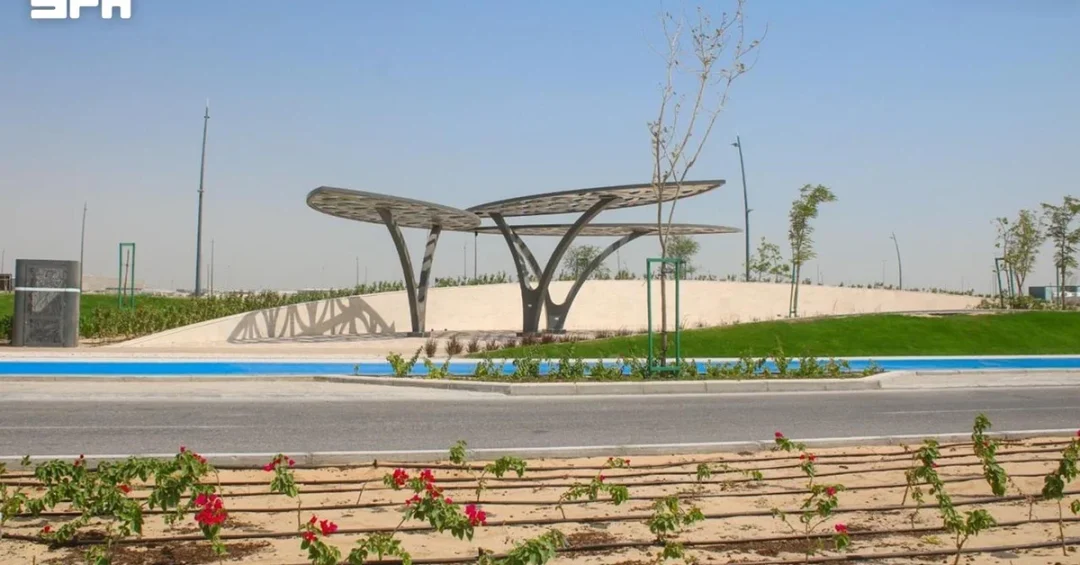
The Eastern Region Municipality has planted more than 32,000 trees across Dammam and completed a major walking track development in Al-Khobar, as part of a broader effort to expand vegetation cover and improve urban quality of life in Saudi Arabia’s Eastern Province. The announcement, released via the Saudi Press Agency (SPA), highlights the Kingdom’s ongoing commitment to sustainable urban development and aligns with the quality-of-life objectives of Saudi Vision 2030.
Context and Background
Saudi Arabia has prioritized environmental sustainability and urban beautification as core pillars of its national transformation. The Eastern Region Municipality, which oversees municipal services and development across Dammam, Al-Khobar, Dhahran, and surrounding areas, has been leading localized efforts to increase green spaces, enhance public infrastructure, and promote healthier lifestyles. These initiatives form part of a wider national strategy to raise the Kingdom’s vegetation cover, improve air quality, and create attractive urban environments that support tourism and economic activity. The latest project reflects years of planning and investment in the region’s public realm, with a focus on making cities more livable and welcoming for residents and visitors alike.
Key Details
The tree-planting campaign saw over 32,000 trees of various species planted at multiple locations throughout Dammam. The municipality selected diverse tree types suited to the local climate, aiming to maximize environmental benefits while enhancing the city’s aesthetic appeal. In a parallel effort, the municipality completed development work on the Prince Turki Road walking track in Al-Khobar Governorate. This 700-meter track spans more than 27,000 square meters and is designed to encourage walking, cycling, and outdoor recreation. The project includes landscaping, shaded areas, and improved lighting to create a safe and pleasant environment for all users.
According to the Eastern Region Municipality, the walking track contributes to improving the surrounding environment, increasing the region’s attractiveness, and supporting tourism and economic activity. It also enhances the experience of visitors to nearby sites and facilities, making the area a more appealing destination for families and tourists.
Implications and Impact
The expansion of green spaces and pedestrian infrastructure in the Eastern Region carries significant implications for public health, environmental quality, and economic vitality. Trees help reduce temperatures, absorb carbon dioxide, and filter airborne pollutants, directly improving air quality and mitigating the urban heat island effect. The new walking track promotes physical activity, which can contribute to lower rates of lifestyle-related diseases and improved overall well-being among residents. From an economic perspective, attractive public spaces can boost property values, stimulate local businesses, and enhance tourism appeal, drawing more visitors to the Eastern Province’s commercial and cultural hubs.
Regionally, the initiative strengthens Saudi Arabia’s position as a leader in sustainable urban development. It complements other large-scale environmental projects, such as the Saudi Green Initiative and the Middle East Green Initiative, which aim to plant billions of trees across the Kingdom and the wider region. By investing in green infrastructure, the Eastern Region Municipality is setting a benchmark for other municipalities to follow, demonstrating how local action can contribute to national and global environmental goals.
Vision 2030 Alignment
These developments are directly aligned with Saudi Vision 2030, the Kingdom’s comprehensive reform plan to diversify the economy and enhance quality of life. Vision 2030 includes specific objectives to increase green spaces, promote sustainable living, and improve urban environments, all of which are embodied in the Eastern Region Municipality’s efforts. By creating attractive, healthy, and environmentally friendly urban spaces, Saudi Arabia is not only improving the daily lives of its citizens and residents but also strengthening its appeal as a global destination for tourism, investment, and innovation. The planting of over 32,000 trees and the completion of the Prince Turki Road walking track are tangible steps toward a greener, more vibrant future for the Eastern Region and the Kingdom as a whole.
20 Questions
Q1. How many trees were planted in Dammam by the Eastern Region Municipality?
A1. The Eastern Region Municipality planted more than 32,000 trees of various types across several locations in Dammam as part of efforts to improve the urban landscape and increase vegetation cover.
Q2. What is the length of the Prince Turki Road walking track in Al-Khobar?
A2. The Prince Turki Road walking track extends 700 meters and covers more than 27,000 square meters. It was developed to encourage walking and outdoor activities while enhancing the urban environment.
Q3. Which government body is responsible for these urban greening initiatives?
A3. The Eastern Region Municipality is responsible for these initiatives. It oversees municipal services and development across the Eastern Province, including Dammam and Al-Khobar.
Q4. What are the main objectives of the tree-planting campaign?
A4. The campaign aims to improve the urban landscape, increase vegetation cover, enhance environmental quality, and boost the region’s attractiveness for residents and visitors.
Q5. How does the walking track project benefit the local community?
A5. The walking track encourages walking and outdoor activities, improves the surrounding environment, supports tourism and economic activity, and enhances the experience of visitors to nearby sites and facilities.
Q6. What types of trees were planted in Dammam?
A6. The municipality planted various types of trees suited to the local climate. These diverse species were selected to maximize environmental benefits and enhance the city’s aesthetic appeal.
Q7. When was the announcement about these projects made?
A7. The announcement was made on September 15, 2026, via the Saudi Press Agency (SPA), which reported on the Eastern Region Municipality’s efforts.
Q8. What is the significance of the walking track’s location in Al-Khobar?
A8. The track is located on Prince Turki Road, a key area in Al-Khobar. Its development improves connectivity, promotes healthy lifestyles, and supports local tourism and economic activity.
Q9. How do these projects contribute to Saudi Vision 2030?
A9. They align with Vision 2030’s quality-of-life objectives by expanding green spaces, promoting sustainable urban development, and creating attractive environments that support tourism and investment.
Q10. What environmental benefits do the newly planted trees provide?
A10. The trees help reduce temperatures, absorb carbon dioxide, filter airborne pollutants, and mitigate the urban heat island effect, directly improving air quality in Dammam.
Q11. Are there any other similar projects in the Eastern Region?
A11. The Eastern Region Municipality is continuously working on various development projects. The tree-planting and walking track initiatives are part of ongoing efforts to enhance urban landscapes across the province.
Q12. How does the walking track support tourism in Al-Khobar?
A12. The track increases the region’s attractiveness, encourages outdoor activities, and improves the experience of visitors to nearby sites, thereby supporting tourism and local economic activity.
Q13. What role does the Saudi Press Agency play in reporting these developments?
A13. The Saudi Press Agency (SPA) is the official news agency of Saudi Arabia. It provides accurate and timely information about government projects and initiatives across the Kingdom.
Q14. How might these projects affect property values in the area?
A14. Attractive public spaces and improved infrastructure can boost property values by making neighborhoods more desirable for residents and businesses, contributing to economic growth.
Q15. What is the expected impact on public health?
A15. The walking track promotes physical activity, which can lower rates of lifestyle-related diseases. The trees improve air quality, contributing to better respiratory health and overall well-being.
Q16. How do these initiatives align with the Saudi Green Initiative?
A16. They complement the Saudi Green Initiative’s goal to plant billions of trees and increase vegetation cover. Local actions like these contribute to national environmental targets.
Q17. Will there be more tree-planting efforts in the future?
A17. The Eastern Region Municipality is expected to continue its efforts to expand green spaces and improve urban landscapes as part of its ongoing commitment to sustainable development.
Q18. What makes the Prince Turki Road walking track a notable project?
A18. It is a large-scale urban development covering over 27,000 square meters. It combines landscaping and pedestrian infrastructure to create a safe and pleasant environment for recreation.
Q19. How does this project enhance the quality of life for residents?
A19. By providing green spaces and walking paths, the project encourages outdoor activity, improves air quality, and creates attractive public areas that foster community well-being and social interaction.
Q20. What message does this send about Saudi Arabia’s environmental commitment?
A20. It demonstrates Saudi Arabia’s dedication to sustainable urban development and environmental stewardship, aligning with Vision 2030 and global efforts to combat climate change.
Reader Feedback
We value your thoughts. Please share your feedback on this article.
Your feedback helps us improve our coverage.