


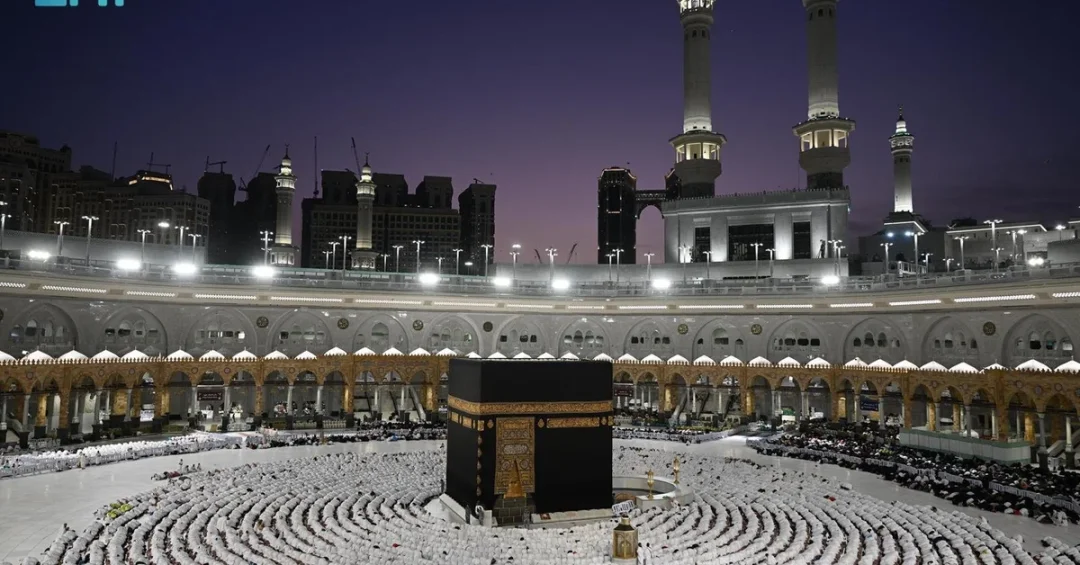
The General Authority for the Care of the Affairs of the Grand Mosque and the Prophet’s Mosque has officially opened electronic registration for itikaf at the Two Holy Mosques, beginning March 5, 2025, through its dedicated online portal. The announcement, released via the Saudi Press Agency, marks a significant step in the Kingdom’s ongoing efforts to streamline religious services and enhance the experience of worshippers during the holy month of Ramadan. The authority invited all eligible individuals wishing to perform itikaf to submit their applications electronically, selecting either the Grand Mosque in Makkah or the Prophet’s Mosque in Madinah as their place of spiritual retreat.
This initiative reflects Saudi Arabia’s commitment to leveraging digital technology to serve the millions of Muslims who visit the Two Holy Mosques annually. By moving the application process online, the authority aims to reduce crowding, ensure fair access, and provide clear guidance on the conditions and protocols for itikaf. The registration period covers itikaf from Ramadan 20 until the end of the Isha prayer on the night of Eid Al-Fitr, allowing worshippers to plan their spiritual retreat in advance. The service is available free of charge and is offered in Arabic, English, and Urdu, underscoring the Kingdom’s dedication to serving a diverse global community of Muslims.
Context and Background
Itikaf is a revered Islamic practice in which Muslims seclude themselves in a mosque for a designated period, dedicating their time to prayer, recitation of the Quran, and reflection. The last ten days of Ramadan, particularly from the 20th day onward, are considered especially blessed, as they include Laylat al-Qadr, the Night of Power. Performing itikaf at the Two Holy Mosques—the Grand Mosque in Makkah and the Prophet’s Mosque in Madinah—holds immense spiritual significance for Muslims worldwide. Historically, managing the influx of worshippers seeking to perform itikaf has been a logistical challenge, requiring careful coordination to ensure safety, order, and a conducive environment for worship.
In recent years, the General Authority for the Care of the Affairs of the Grand Mosque and the Prophet’s Mosque has introduced a series of digital reforms to improve service delivery. These include electronic permits for Umrah, online booking for Rawdah visits, and now, a streamlined itikaf registration system. The move aligns with Saudi Vision 2030’s broader objectives of digital transformation and enhancing the quality of life for citizens and visitors. By digitizing the application process, the authority can better manage capacity, verify eligibility, and provide applicants with essential information about the rules and regulations governing itikaf. This approach also supports health and safety protocols by reducing physical queues and minimizing administrative burdens on staff.
The electronic registration system is designed to be user-friendly and accessible. Applicants must first choose their preferred location—either the Grand Mosque or the Prophet’s Mosque—and then watch an awareness video that outlines the service and the conditions for itikaf. This video serves as an educational tool, ensuring that participants understand the spiritual and practical aspects of the retreat. The conditions include maintaining cleanliness, respecting designated areas, and adhering to the schedule set by the authority. By requiring applicants to review these conditions, the authority aims to foster a disciplined and harmonious environment for all worshippers.
Key Details
According to the announcement, the itikaf permit service is available to individuals who are at least 18 years old. Applicants must be either Saudi citizens or residents of the Kingdom holding a valid residency permit (iqama). This eligibility criterion ensures that the service is accessible to those legally residing in Saudi Arabia while maintaining order and security within the holy sites. The permits are issued free of charge upon submission of the “Itikaf Registration Request” through the dedicated service link: https://alharamain.gov.sa/public. The application process is available in three languages—Arabic, English, and Urdu—catering to the diverse linguistic backgrounds of Muslims in the Kingdom and beyond.
The registration period commenced on March 5, 2025, corresponding to the early days of Ramadan 1446 AH. The itikaf period itself begins on Ramadan 20 and continues until the end of the Isha prayer on the night of Eid Al-Fitr. This timing allows worshippers to observe the spiritual retreat during the most sacred nights of the month. The authority has emphasized that all applicants must watch the awareness video and review the conditions before submitting their requests. This step is mandatory to ensure that participants are fully informed and prepared for the experience.
For many Muslims, performing itikaf at the Two Holy Mosques is a lifelong dream. The electronic system makes this aspiration more attainable by providing a transparent and equitable process. The authority has not specified a quota, but it is expected that permits will be granted based on capacity and compliance with safety regulations. The online portal will likely include a confirmation mechanism, allowing applicants to check the status of their requests. The use of digital platforms also enables the authority to communicate updates or changes efficiently, should any arise.
International and Regional Impact
The opening of electronic registration for itikaf at the Two Holy Mosques has significant implications for the global Muslim community. Millions of Muslims from around the world look to Saudi Arabia as the custodian of Islam’s holiest sites. By facilitating access to itikaf through a transparent online system, the Kingdom reinforces its role as a servant of the pilgrims and a leader in religious tourism. The multilingual support—Arabic, English, and Urdu—demonstrates an inclusive approach, acknowledging the diverse nationalities that reside in Saudi Arabia and those who travel for religious purposes. This move is likely to be welcomed by international observers as a positive step toward modernization and efficiency.
Regionally, the initiative aligns with Saudi Arabia’s efforts to enhance the pilgrimage experience, which is a key pillar of its economic diversification strategy. The Kingdom has invested heavily in expanding the capacity of the Two Holy Mosques and improving infrastructure to accommodate increasing numbers of worshippers. The digital registration system complements these physical expansions by optimizing the flow of people and reducing congestion. Furthermore, it sets a precedent for other religious sites in the Islamic world, showcasing how technology can be harnessed to serve spiritual needs while maintaining order and safety. The successful implementation of this system could inspire similar initiatives in other countries hosting significant religious gatherings.
Economic and Strategic Significance
While the itikaf registration service is free, its economic impact is noteworthy. By streamlining the process, the authority reduces administrative costs associated with manual applications and on-site processing. More importantly, it enhances the overall pilgrimage experience, which can lead to increased visitor satisfaction and repeat visits. Religious tourism is a vital component of Saudi Arabia’s economy, contributing billions of riyals annually. A positive experience during Ramadan, including seamless access to itikaf, encourages pilgrims to return for Umrah and Hajj, thereby sustaining demand for hospitality, transportation, and retail services in Makkah and Madinah.
Strategically, the digital transformation of religious services supports Saudi Vision 2030’s goal of creating a more efficient and user-friendly public sector. The General Authority for the Care of the Affairs of the Grand Mosque and the Prophet’s Mosque is at the forefront of this transformation, demonstrating how government entities can adopt technology to better serve citizens and residents. The system also generates valuable data that can be used for planning and capacity management, ensuring that future improvements are evidence-based. This aligns with the Vision’s emphasis on innovation, transparency, and accountability. By integrating digital solutions into the fabric of religious observance, Saudi Arabia is positioning itself as a model for modern Islamic governance.
Vision 2030 Alignment
The electronic registration for itikaf is a clear manifestation of Saudi Vision 2030’s objectives, particularly in the realms of digital transformation and enhancing the quality of life. Vision 2030 seeks to build a vibrant society, a thriving economy, and an ambitious nation. By making it easier for Muslims to perform spiritual retreats at the Two Holy Mosques, the Kingdom is enriching the cultural and religious fabric of society. The initiative also supports the goal of increasing the number of Umrah and Hajj pilgrims to 30 million by 2030, as it improves the overall experience and accessibility of the holy sites. The use of multiple languages and online platforms reflects the Vision’s commitment to inclusivity and global engagement.
Looking ahead, the success of this electronic system could pave the way for further digital innovations in religious services. The authority may consider expanding the service to include other rituals or enhancing the portal with additional features such as real-time updates, personalized schedules, and virtual guides. Such advancements would continue to elevate the pilgrimage experience and reinforce Saudi Arabia’s standing as a global leader in serving Islam’s holiest sites. As the Kingdom progresses toward its Vision 2030 goals, initiatives like this demonstrate how tradition and technology can harmoniously coexist to serve the faithful and strengthen the nation’s role as a beacon of Islamic hospitality and innovation.
20 Questions
Q1. What is itikaf and why is it significant during Ramadan?
A1. Itikaf is a spiritual retreat where Muslims seclude themselves in a mosque for prayer and reflection. It is especially significant during the last ten days of Ramadan, including Laylat al-Qadr, and performing it at the Two Holy Mosques is highly revered.
Q2. When did electronic registration for itikaf at the Two Holy Mosques begin?
A2. The General Authority for the Care of the Affairs of the Grand Mosque and the Prophet’s Mosque began receiving applications on March 5, 2025, through its electronic portal.
Q3. Who is eligible to apply for an itikaf permit?
A3. Individuals who are at least 18 years old and are either Saudi citizens or residents holding a valid residency permit (iqama) are eligible to apply for the itikaf permit.
Q4. How can one apply for an itikaf permit?
A4. Applicants must submit the “Itikaf Registration Request” via the dedicated service link: https://alharamain.gov.sa/public. The process involves selecting a location and watching an awareness video.
Q5. What is the duration of the itikaf period at the Two Holy Mosques?
A5. The itikaf period runs from Ramadan 20 until the end of the Isha prayer on the night of Eid Al-Fitr, allowing worshippers to observe the most blessed nights of Ramadan.
Q6. In which languages is the registration service available?
A6. The service is available in Arabic, English, and Urdu, catering to the diverse linguistic backgrounds of Muslims in Saudi Arabia and beyond.
Q7. Is there a fee for the itikaf permit?
A7. No, the itikaf permits are provided free of charge upon submission of the registration request through the online portal.
Q8. What are the conditions that applicants must fulfill for itikaf?
A8. Applicants must review and adhere to conditions such as maintaining cleanliness, respecting designated areas, and following the schedule set by the authority. These are outlined in the awareness video.
Q9. Can non-residents of Saudi Arabia apply for itikaf?
A9. No, the service is currently available only to Saudi citizens and residents holding a valid residency permit, ensuring order and security at the holy sites.
Q10. Why is the electronic registration system important for the Two Holy Mosques?
A10. It streamlines the application process, reduces crowding, ensures fair access, and provides clear guidance, enhancing the spiritual experience for worshippers during Ramadan.
Q11. How does this initiative align with Saudi Vision 2030?
A11. It supports digital transformation, enhances the quality of life, and improves the pilgrimage experience, aligning with Vision 2030’s goals of a vibrant society and thriving economy.
Q12. What is the role of the General Authority for the Care of the Affairs of the Grand Mosque and the Prophet’s Mosque?
A12. The authority oversees the management and services of the Two Holy Mosques, including facilitating worship, maintaining facilities, and implementing digital solutions like the itikaf registration system.
Q13. How does itikaf at the Two Holy Mosques benefit participants spiritually?
A13. It offers a unique opportunity for deep devotion, seeking Laylat al-Qadr, and drawing closer to God in the most sacred Islamic sites, which holds immense spiritual reward.
Q14. What steps must applicants take after submitting their request?
A14. Applicants should await confirmation from the authority. The online portal may provide updates on the status of their application and further instructions.
Q15. Are there any age restrictions for itikaf at the Two Holy Mosques?
A15. Yes, applicants must be at least 18 years old to ensure maturity and responsibility during the spiritual retreat.
Q16. How does the awareness video assist applicants?
A16. The awareness video familiarizes applicants with the service, conditions, and protocols, ensuring they are well-prepared and understand their responsibilities during itikaf.
Q17. What impact does this initiative have on religious tourism in Saudi Arabia?
A17. It enhances the pilgrimage experience, encourages repeat visits, and supports the Kingdom’s goal of increasing Umrah and Hajj pilgrims to 30 million by 2030.
Q18. Can applicants choose between the Grand Mosque and the Prophet’s Mosque?
A18. Yes, during the application process, applicants must select their preferred location for performing itikaf, either the Grand Mosque in Makkah or the Prophet’s Mosque in Madinah.
Q19. What measures are in place to ensure safety during itikaf?
A19. The authority manages capacity, enforces conditions, and uses digital registration to reduce crowding. Health and safety protocols are in place to protect all worshippers.
Q20. How does this service reflect Saudi Arabia’s commitment to serving Islam?
A20. By facilitating access to itikaf through modern technology, the Kingdom demonstrates its dedication to serving Muslims, preserving the sanctity of the holy sites, and promoting spiritual well-being.
Reader Feedback
We value your thoughts. Please share your feedback on this article.
Your feedback helps us improve our coverage.
Related articles
 Saudi OIC Envoy Meets ICYF President to Boost Youth Ties
 KSrelief Distributes 250 Food Baskets in Dhaka, Bangladesh
 KSrelief Distributes 300 Food Baskets in Libya’s Shahat, Al-Abraq
 KSrelief Distributes 400 Food Baskets in Sudan’s Sennar State
 Crown Prince Congratulates Austria’s New Chancellor Stocker
 KSrelief Distributes 5,000 Food Baskets in Sudan’s White Nile