


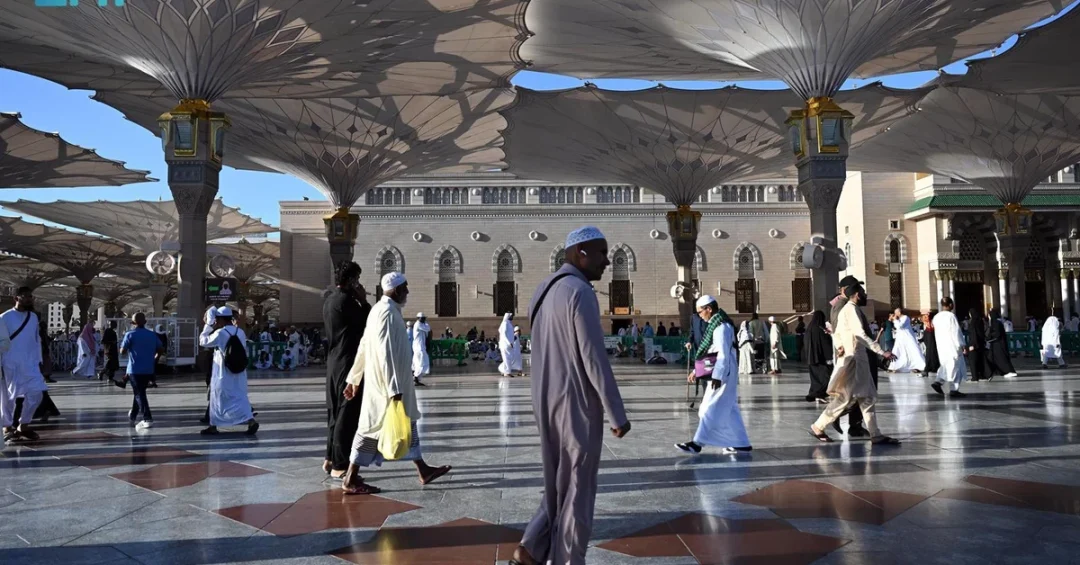
The General Authority for the Care of the Affairs of the Two Holy Mosques has rolled out a suite of electronic services designed to enrich the experience of visitors to the Prophet’s Mosque in Madinah. Available on both Android and iPhone platforms and offered in multiple languages, these digital tools reflect the Kingdom’s commitment to leveraging technology for the comfort and convenience of the millions of worshippers and visitors who travel to the holy site each year.
Context and Background
The Prophet’s Mosque, one of Islam’s holiest sites, welcomes millions of pilgrims and visitors annually. To manage this influx and enhance the spiritual journey, the General Authority for the Care of the Affairs of the Two Holy Mosques has developed a range of digital applications that provide guidance, information, and essential services. These initiatives are part of Saudi Arabia’s broader efforts to modernize hospitality and religious tourism under Vision 2030, which aims to elevate the quality of services for pilgrims and visitors alike.
The electronic services are available in eight languages: Arabic, English, French, Turkish, Russian, Persian, Bengali, and Urdu, ensuring accessibility for a diverse international audience. This multilingual approach underscores the Kingdom’s dedication to serving all visitors, regardless of their linguistic background.
Key Digital Services
Among the offerings is an application that guides visitors through the Prophet’s Mosque and its landmarks, providing times of lessons and lectures, and broadcasting the Friday sermon live. Another application features an interactive map that illustrates the historical expansions of the mosque over the years and details the facilities it houses. Additionally, the Manarat Al-Haramain platform offers digital lessons, lectures, and translation of the Friday sermon, while the Nusuk application enables visitors from around the world to arrange their visit electronically, from applying for an electronic visa to booking hotels and flights.
These tools are designed to streamline the visitor experience, allowing worshippers to focus on their spiritual activities without logistical concerns. The integration of such services aligns with Saudi Arabia’s push for digital transformation in all sectors, particularly in religious tourism, where efficiency and accessibility are paramount.
Implications and Impact
The introduction of these electronic services is expected to significantly enhance the visitor experience at the Prophet’s Mosque. By providing real-time information, navigation aids, and seamless booking options, the services reduce barriers for international visitors. This not only facilitates a smoother pilgrimage but also promotes Saudi Arabia as a welcoming and technologically advanced destination. Furthermore, the availability of multiple languages demonstrates the Kingdom’s inclusive approach, catering to the global Muslim community.
From an economic perspective, improved services can lead to increased visitor satisfaction and longer stays, boosting local businesses in Madinah and contributing to the growth of the religious tourism sector. The digital platforms also generate valuable data that can be used to further improve services and infrastructure.
Vision 2030 Alignment
These initiatives are closely tied to Saudi Arabia’s Vision 2030, which seeks to diversify the economy and enhance the quality of life for citizens and visitors. By investing in digital infrastructure for the Two Holy Mosques, the Kingdom reinforces its role as a leader in innovative religious tourism and demonstrates its commitment to serving pilgrims with excellence. As Saudi Arabia continues to welcome millions of visitors each year, such electronic services will play a crucial role in realizing the vision’s goals of a vibrant society and a thriving economy.
20 Questions
Q1. What authority provides electronic services at the Prophet’s Mosque?
A1. The General Authority for the Care of the Affairs of the Two Holy Mosques provides these services to enrich the visitor experience.
Q2. On which platforms are these electronic services available?
A2. The services are available on Android and iPhone platforms, ensuring wide accessibility for users.
Q3. How many languages are supported by these services?
A3. The services support eight languages: Arabic, English, French, Turkish, Russian, Persian, Bengali, and Urdu.
Q4. What does the interactive map application show?
A4. It displays the expansion of the Prophet’s Mosque over the years and the facilities it houses.
Q5. What is the Manarat Al-Haramain platform?
A5. It provides digital lessons, lectures, and translation of the Friday sermon for visitors.
Q6. What is the Nusuk application used for?
A6. Nusuk enables visitors to arrange their visit electronically, including visa applications, hotel bookings, and flights.
Q7. Are the Friday sermons broadcast live through these services?
A7. Yes, the Friday sermon is broadcast live via one of the applications.
Q8. What kinds of lessons and lectures are available?
A8. The services provide times of lessons and lectures, and digital lessons through the Manarat Al-Haramain platform.
Q9. How do these services enhance the visitor experience?
A9. They offer guidance, information, and seamless booking options, making visits more convenient and spiritually focused.
Q10. Is the Nusuk application available internationally?
A10. Yes, it is designed for visitors from all over the world to arrange their visit electronically.
Q11. What role does technology play in these services?
A11. Technology facilitates access to information and services, streamlining the pilgrimage experience for millions.
Q12. How does the interactive map help visitors?
A12. It helps them navigate the mosque’s expansions and locate facilities easily.
Q13. Are these services part of Vision 2030?
A13. Yes, they align with Vision 2030’s goals of enhancing religious tourism and digital transformation.
Q14. Can visitors book flights through these services?
A14. Yes, the Nusuk application allows flight bookings as part of visit arrangements.
Q15. What is the significance of multilingual support?
A15. It ensures that visitors from diverse linguistic backgrounds can access services easily, reflecting Saudi Arabia’s inclusive approach.
Q16. How do these services contribute to Saudi Arabia’s economy?
A16. By improving visitor satisfaction, they can boost local businesses and support the growth of religious tourism.
Q17. Are there plans to expand these services further?
A17. The authority continuously works to enhance and expand digital services to meet the needs of visitors.
Q18. How can visitors access these electronic services?
A18. They can download the applications from app stores on Android and iPhone devices.
Q19. What is the goal of the General Authority in providing these services?
A19. The goal is to enrich the experience of visitors and facilitate their spiritual journey at the Prophet’s Mosque.
Q20. How do these services reflect Saudi Arabia’s leadership in religious tourism?
A20. They demonstrate the Kingdom’s commitment to innovation and excellence in serving pilgrims, setting a global standard.
Reader Feedback
We value your thoughts. Please share your feedback on this article.
Your feedback helps us improve our coverage.