


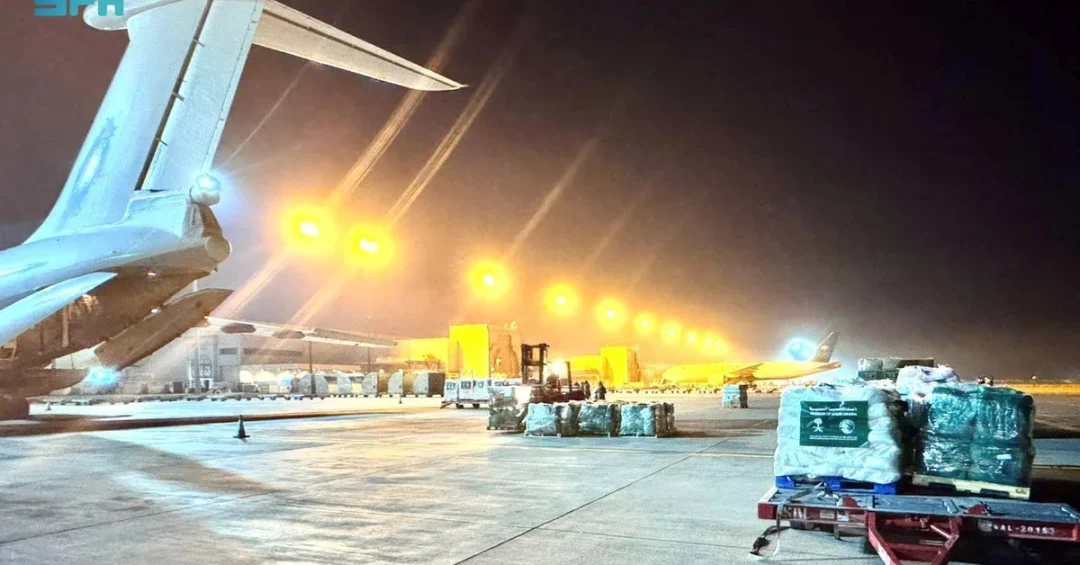
The eleventh relief plane operated by the King Salman Humanitarian Aid and Relief Center (KSrelief) departed from King Khalid International Airport in Riyadh on January 15, 2025, bound for Damascus International Airport, carrying food, shelter, and medical supplies destined for the Syrian people. The flight is the latest in a sustained Saudi air bridge that has delivered essential humanitarian assistance to Syria at a time of acute need, reflecting the Kingdom’s enduring commitment to alleviating suffering and supporting stability in the region. According to the Saudi Press Agency, the aid shipment includes food baskets, shelter materials such as tents and blankets, and medical supplies intended to meet urgent needs on the ground.
Have you ever wondered how a single relief flight fits into a much larger story of regional solidarity and strategic generosity? The departure of the eleventh aircraft from Riyadh is not an isolated event but part of a coordinated humanitarian effort that has been running continuously since the air bridge was first announced. Each flight is carefully loaded with prioritized supplies based on assessments of need, and each landing in Damascus represents a tangible expression of Saudi Arabia’s belief that humanitarian action should transcend politics. The operation is managed by KSrelief, the Kingdom’s dedicated humanitarian arm, which has built a global reputation for rapid, principled, and effective disaster response.
Context and Background
Why has Saudi Arabia chosen to maintain such a sustained relief effort for Syria, and what does it signal about the Kingdom’s broader regional role? The air bridge to Damascus is rooted in a long tradition of Saudi humanitarian diplomacy. For decades, the Kingdom has provided assistance to countries affected by conflict, natural disasters, and economic hardship, often through KSrelief, which was established in 2015 to centralize and professionalize Saudi aid. Since its founding, KSrelief has implemented thousands of projects in more than 90 countries, covering sectors such as food security, health, education, water, and shelter. The Syria air bridge is one of the centerpieces of that portfolio, reflecting a policy of consistent engagement with the Syrian people during a prolonged crisis.
The current phase of the air bridge began after the Kingdom announced a comprehensive relief initiative for Syria, following high-level directives from the Saudi leadership. Since then, planes have departed regularly from Riyadh, each carrying a mix of supplies tailored to the evolving situation. Food items typically include flour, rice, oil, canned goods, and dates; shelter assistance comprises tents, blankets, mattresses, and winterization kits; and medical cargo includes medicines, dressings, and equipment for hospitals and clinics. The eleventh flight continues this pattern, ensuring that aid reaches Damascus International Airport, from where it is distributed to affected communities in coordination with Syrian and international partners.
What makes this particular flight significant is its timing. It comes as Syria continues to face severe economic and humanitarian challenges, including displacement, damaged infrastructure, and limited access to basic services. By keeping the air bridge open, Saudi Arabia is signaling that its commitment is not seasonal or symbolic but sustained and practical. The operation also demonstrates the logistical capacity of KSrelief, which coordinates with aviation authorities, relief agencies, and local partners to ensure that each plane is loaded, cleared, and delivered efficiently.
Key Details of the Eleventh Relief Flight
What exactly is on board the eleventh plane, and how will it be used on the ground? The aircraft departed King Khalid International Airport carrying a carefully curated payload of food, shelter, and medical supplies. The food component is designed to meet immediate nutritional needs, with staples that can be stored and prepared easily in areas where cooking facilities may be limited. The shelter materials are intended to protect families from harsh weather conditions, particularly in camps and informal settlements where durable housing is scarce. The medical supplies will support hospitals, clinics, and mobile health teams that are working to treat injuries, manage chronic diseases, and prevent outbreaks.
Each category of aid addresses a specific dimension of the crisis. Food assistance reduces the risk of malnutrition and helps stabilize households that have lost income. Shelter support provides dignity and protection, especially for women, children, and the elderly. Medical aid strengthens a health system that has been stretched by years of conflict and displacement. Together, these three pillars form a comprehensive package that reflects lessons learned from previous relief operations. KSrelief teams on the ground work with local authorities and humanitarian organizations to ensure that distribution is fair, transparent, and reaches those most in need.
The flight itself is the product of extensive coordination. Saudi aviation authorities, airport staff, KSrelief logistics experts, and partner organizations all play a role in preparing the aircraft, securing clearances, and arranging reception at Damascus International Airport. This level of preparation is essential for maintaining the pace of the air bridge and for ensuring that aid is not delayed by bureaucratic or logistical hurdles. The eleventh flight thus represents not just a delivery of goods but a demonstration of institutional competence and commitment.
International and Regional Impact
How does the international community view Saudi Arabia’s humanitarian air bridge to Syria? The operation has been welcomed by relief agencies and observers who see it as a constructive contribution to addressing one of the world’s most protracted crises. By focusing on practical assistance rather than political conditionality, Saudi Arabia has positioned itself as a reliable humanitarian actor capable of working across lines of difference. This approach aligns with the Kingdom’s broader foreign policy objectives, which emphasize stability, dialogue, and development in the region.
Within the Middle East, the air bridge contributes to a narrative of solidarity and shared responsibility. Syria’s neighbors have borne significant burdens from displacement and economic disruption, and Saudi assistance helps ease some of that pressure. The flights also complement broader regional efforts to encourage recovery and reconstruction, signaling that Arab states are willing to invest in Syria’s future. For international audiences, the operation underscores Saudi Arabia’s role as a provider of public goods, not merely a participant in diplomatic processes. It also reinforces the Kingdom’s credentials as a partner for humanitarian organizations seeking to deliver aid in complex environments.
Economic and Strategic Significance
What does the air bridge reveal about Saudi Arabia’s economic and strategic priorities? At first glance, humanitarian aid might seem separate from economic strategy, but in practice the two are closely linked. Stable and prosperous neighbors are essential for trade, investment, and regional security. By helping to stabilize Syria, Saudi Arabia supports conditions that can eventually allow for economic recovery, reconstruction, and reintegration into regional markets. This aligns with Vision 2030’s emphasis on diversifying the Kingdom’s economy and expanding its global partnerships.
The operation also showcases Saudi logistical and financial capabilities. Mounting a sustained air bridge requires aircraft, fuel, warehousing, procurement networks, and skilled personnel. KSrelief has developed these capacities over years of operations, and the Syria effort demonstrates their effectiveness. The aid itself is sourced through a mix of local procurement and international suppliers, creating opportunities for Saudi businesses and reinforcing the Kingdom’s role as a hub for humanitarian logistics. In strategic terms, the air bridge strengthens Saudi Arabia’s soft power and its reputation as a responsible global actor.
Vision 2030 Alignment
How does the relief air bridge connect to Saudi Arabia’s Vision 2030 goals? Vision 2030 is not only about domestic transformation; it also envisions a Kingdom that is influential, open, and engaged with the world. Humanitarian leadership is a key component of that vision. By directing resources and expertise to help the Syrian people, Saudi Arabia demonstrates the values of compassion, solidarity, and responsibility that underpin its international engagement. The air bridge also reinforces the Kingdom’s commitment to multilateral cooperation and to the Sustainable Development Goals, particularly those related to hunger, health, and shelter.
Looking ahead, the eleventh flight is a milestone in an ongoing effort that is likely to continue as long as needs persist. Each additional plane strengthens the bridge between Riyadh and Damascus and deepens the relationship between the Saudi people and those they seek to help. For a world often divided by conflict, the image of Saudi relief aircraft landing with food, shelter, and medicine offers a powerful counterpoint: a reminder that generosity and practical action can still make a difference. As Vision 2030 continues to shape Saudi Arabia’s role in the world, humanitarian diplomacy will remain one of its most visible and respected expressions.
20 Questions
Q1. What is the eleventh Saudi relief plane and where did it depart from?
A1. It is a humanitarian aid flight operated by KSrelief that departed from King Khalid International Airport in Riyadh on January 15, 2025, bound for Damascus International Airport.
Q2. What kind of supplies is the eleventh plane carrying?
A2. The aircraft is carrying food, shelter, and medical supplies, including food baskets, tents, blankets, and medicines intended for the Syrian people.
Q3. Which Saudi organization is managing the relief air bridge to Syria?
A3. The King Salman Humanitarian Aid and Relief Center, known as KSrelief, is managing the air bridge and coordinating all logistics and distribution.
Q4. Why is Saudi Arabia sending aid to Syria at this time?
A4. The aid aims to alleviate the suffering of the Syrian people during a critical period and reflects Saudi Arabia’s longstanding commitment to helping countries in need.
Q5. How many relief planes have departed for Syria so far?
A5. The flight on January 15, 2025, is the eleventh relief plane in the current air bridge operation, according to the Saudi Press Agency.
Q6. Where is the aid being delivered in Syria?
A6. The plane is delivering supplies to Damascus International Airport, from where they will be distributed to affected communities in coordination with partners.
Q7. What types of food items are included in the shipment?
A7. The food supplies typically include staples such as flour, rice, oil, canned goods, and dates, chosen for their nutritional value and ease of storage.
Q8. What shelter materials are being provided?
A8. The shelter assistance includes tents, blankets, mattresses, and winterization kits designed to protect families from harsh weather conditions.
Q9. What medical supplies are on board the relief plane?
A9. The medical cargo includes medicines, dressings, and equipment to support hospitals, clinics, and mobile health teams treating patients in Syria.
Q10. How does KSrelief ensure that aid reaches those who need it most?
A10. KSrelief works with local authorities and humanitarian partners on the ground to assess needs, distribute aid fairly, and maintain transparency throughout the process.
Q11. What is the significance of the eleventh flight in the broader air bridge?
A11. It demonstrates the sustained nature of Saudi Arabia’s commitment and the logistical capacity of KSrelief to maintain a regular flow of aid to Syria.
Q12. How has the international community responded to Saudi Arabia’s relief efforts?
A12. The air bridge has been welcomed by relief agencies and observers as a constructive contribution to addressing one of the world’s most protracted humanitarian crises.
Q13. Does the aid come with any political conditions?
A13. No, the assistance is provided on humanitarian grounds without political conditionality, reflecting Saudi Arabia’s principled approach to relief.
Q14. How does this relief effort align with Saudi Vision 2030?
A14. It reflects Vision 2030’s vision of a responsible and engaged Kingdom, contributing to global stability and sustainable development goals.
Q15. What role do Saudi aviation authorities play in the operation?
A15. They coordinate flight clearances, airport logistics, and security to ensure that each relief plane departs and arrives safely and on schedule.
Q16. How long has KSrelief been operating humanitarian air bridges?
A16. KSrelief was established in 2015 and has since implemented thousands of projects in more than 90 countries, including numerous air bridge operations.
Q17. What impact does the aid have on the Syrian people?
A17. It provides immediate relief by addressing food insecurity, shelter needs, and medical gaps, helping to stabilize vulnerable households and communities.
Q18. Are there plans for additional relief flights to Syria?
A18. The air bridge is designed to continue as long as needs persist, with additional flights expected based on assessments and available resources.
Q19. How can other countries support similar humanitarian efforts?
A19. Countries can contribute through funding, in-kind donations, logistical support, or by partnering with organizations like KSrelief to deliver aid effectively.
Q20. What message does the eleventh relief flight send to the world?
A20. It signals Saudi Arabia’s enduring commitment to humanitarian action, regional stability, and the values of compassion and solidarity that define its global role.
Reader Feedback
We value your thoughts. Please share your feedback on this article.
Your feedback helps us improve our coverage.
Related articles
 UNA Director General Commends the Outcomes of Conference on MWL’s Initiative for Girls’ Education
 5.2-Magnitude Earthquake Strikes South of Kermadec Islands
 Eleventh Saudi Relief Plane Arrives in Syria
 Fourth Future Minerals Forum Exhibition Opens in Riyadh
 King Faisal University Joins Bahrain Renewable Energy Congress
 Saudi Arabia, Singapore Sign Strategic Partnership Council MoU