


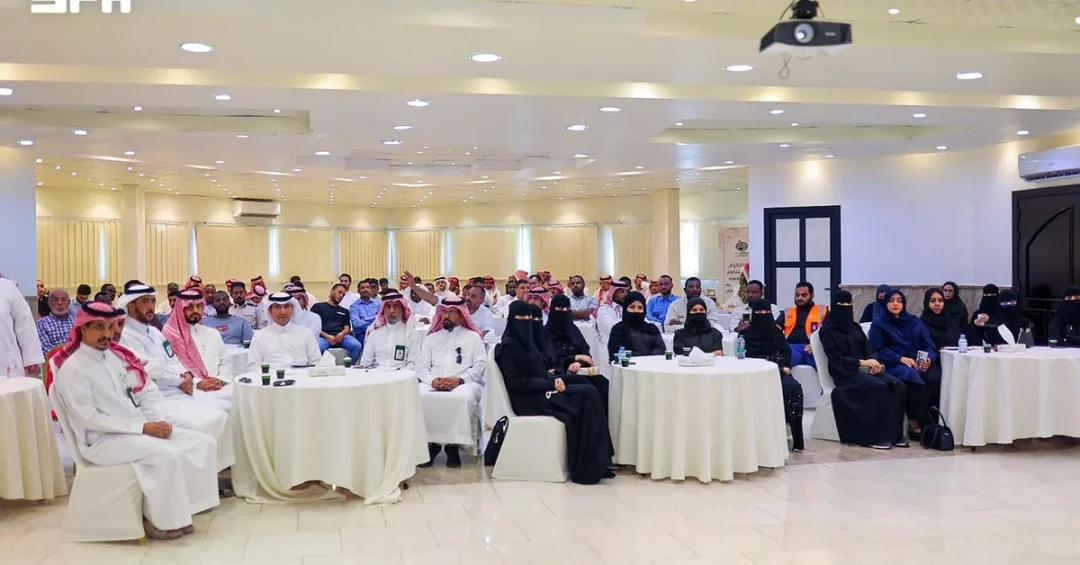
The Environment Fund announced the successful conclusion of its Green Factory initiative on August 11, 2026, exceeding its original targets by engaging 70 industrial facilities and training more than 500 factory employees, according to the Saudi Press Agency. The program, implemented in cooperation with the National Center for Environmental Compliance, Chambers of Commerce in Riyadh, Dammam, Jeddah, and Yanbu, and the Saudi Industrial Exporters Association, aimed to elevate environmental compliance across the Kingdom’s industrial sector and prepare factories for international certification.
Context and Background
The Green Factory initiative forms part of Saudi Arabia’s broader environmental strategy under Vision 2030, which seeks to balance economic growth with ecological responsibility. Launched under the Environment Fund’s incentives and grants program, the initiative was designed to encourage environmentally responsible practices among industrial institutions, support research and innovation, and stimulate investment in environmental protection. The program specifically targeted factories seeking to align with global environmental standards, offering training focused on sustainability practices and preparing facilities for ISO 14001 Environmental Management System certification—an internationally recognized benchmark for effective environmental management.
Key Details
The initiative significantly surpassed its initial objectives. While the program originally aimed to involve 50 factories, it ultimately attracted 70 participants from various regions across the Kingdom. Similarly, the training component exceeded expectations by preparing over 500 factory employees, compared to the target of 300. These employees received instruction in sustainability practices, environmental compliance requirements, and the operational changes needed to meet ISO 14001 standards. The cooperation between the Environment Fund, the National Center for Environmental Compliance, the Chambers of Commerce in Riyadh, Dammam, Jeddah, and Yanbu, and the Saudi Industrial Exporters Association ensured that the initiative reached a wide geographic and industrial spectrum.
Implications and Impact
The Green Factory initiative carries significant implications for Saudi Arabia’s industrial competitiveness and environmental footprint. By enabling factories to comply with rigorous environmental standards, the program enhances the credibility and marketability of Saudi products in international markets, where environmental certification is increasingly a prerequisite for trade. The initiative also promotes sustainable industrial practices that reduce waste, energy consumption, and emissions, contributing to the Kingdom’s environmental protection goals. Furthermore, the engagement of Chambers of Commerce and the Saudi Industrial Exporters Association signals a collaborative approach that strengthens the ecosystem for green industry and exports.
Vision 2030 Alignment
This initiative directly supports Saudi Vision 2030’s environmental sustainability objectives, which include protecting the environment, promoting renewable energy, and fostering sustainable economic diversification. By enhancing the environmental performance of Saudi factories, the Green Factory initiative helps build a resilient, future-ready industrial sector that can compete globally while preserving natural resources for future generations. The Environment Fund’s success in exceeding its targets underscores the Kingdom’s commitment to integrating environmental responsibility into its economic development agenda, a core pillar of Vision 2030.
20 Questions
Q1. What was the Green Factory initiative?
A1. The Green Factory initiative was a program by the Environment Fund to help Saudi factories adopt sustainable practices and prepare for ISO 14001 environmental certification, thereby improving compliance and global competitiveness.
Q2. When did the initiative conclude?
A2. The initiative concluded on August 11, 2026, as announced by the Saudi Press Agency, marking the successful completion of its training and compliance activities.
Q3. How many factories participated in the initiative?
A3. A total of 70 factories participated, surpassing the initial target of 50. These factories came from various regions across the Kingdom, demonstrating broad industrial engagement.
Q4. How many employees were trained?
A4. More than 500 factory employees received training, exceeding the original goal of 300 trainees. The training focused on sustainability practices and ISO 14001 requirements.
Q5. Which organizations partnered with the Environment Fund?
A5. Partners included the National Center for Environmental Compliance, Chambers of Commerce in Riyadh, Dammam, Jeddah, and Yanbu, and the Saudi Industrial Exporters Association.
Q6. What is ISO 14001 certification?
A6. ISO 14001 is an internationally recognized standard for environmental management systems, helping organizations minimize their environmental impact and comply with regulations.
Q7. Why is the Green Factory initiative important for Saudi factories?
A7. It enhances their environmental compliance and competitiveness in international markets, where certification and sustainable practices are increasingly required by buyers and regulators.
Q8. What were the main goals of the initiative?
A8. The goals were to enable industrial facilities to meet environmental standards, raise compliance rates, promote sustainability, and boost the global competitiveness of Saudi factories.
Q9. How does the initiative support Saudi Vision 2030?
A9. It aligns with Vision 2030’s environmental sustainability goals by fostering green industry, reducing ecological impact, and supporting sustainable economic diversification.
Q10. What is the incentives and grants program?
A10. It is a program by the Environment Fund that encourages environmentally responsible practices, supports research and innovation, and stimulates investment in environmental protection across the Kingdom.
Q11. Which regions were represented by the participating factories?
A11. Factories from various regions across Saudi Arabia participated, though specific regions were not detailed. The involvement of chambers from Riyadh, Dammam, Jeddah, and Yanbu indicates wide coverage.
Q12. What kind of training did employees receive?
A12. Employees were trained in sustainability practices, environmental compliance, and the steps needed to achieve ISO 14001 certification, equipping them to implement greener operations.
Q13. How does this initiative benefit the Saudi economy?
A13. By improving environmental standards, it opens export opportunities, enhances product competitiveness, and attracts investment in sustainable industries, supporting economic growth.
Q14. What role did the Chambers of Commerce play?
A14. The Chambers of Commerce in Riyadh, Dammam, Jeddah, and Yanbu helped facilitate the initiative by connecting factories with the program and promoting participation.
Q15. What is the National Center for Environmental Compliance?
A15. It is a Saudi government agency responsible for monitoring and enforcing environmental regulations, ensuring compliance across various sectors.
Q16. Did the initiative meet its targets?
A16. Yes, it exceeded its targets by engaging 70 factories instead of 50 and training over 500 employees instead of 300, demonstrating strong demand and successful outreach.
Q17. What are the long-term benefits for participating factories?
A17. They gain ISO 14001 certification, which improves credibility, reduces operational costs through efficiency, and enhances access to international markets that value sustainability.
Q18. How does this initiative contribute to environmental protection?
A18. By promoting sustainable practices, it helps reduce waste, emissions, and resource consumption, contributing to Saudi Arabia’s environmental protection and climate goals.
Q19. What is the Saudi Industrial Exporters Association?
A19. It is an organization that supports Saudi exporters by providing resources, advocacy, and networking opportunities to enhance their global competitiveness.
Q20. What message does the initiative’s success send?
A20. It underscores Saudi Arabia’s commitment to sustainable industrial development and its proactive approach to aligning economic growth with environmental responsibility under Vision 2030.
Reader Feedback
We value your thoughts. Please share your feedback on this article.
Your feedback helps us improve our coverage.