


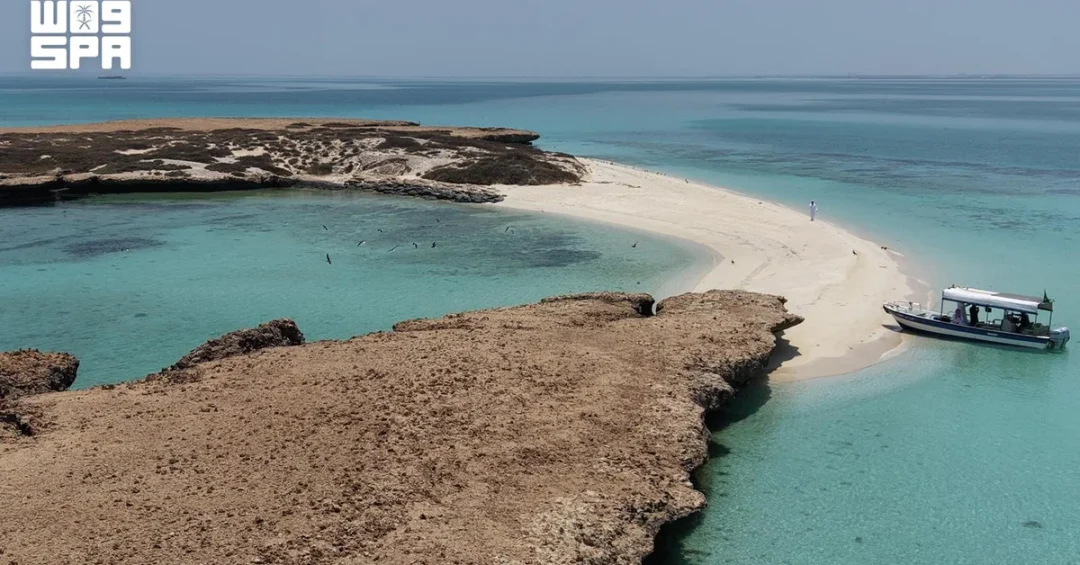
The Farasan Islands Protected Area in Jazan has solidified its reputation as a global benchmark for nature conservation, according to a report from the National Center for Wildlife, after achieving three major international milestones: designation under UNESCO’s Man and the Biosphere (MAB) Programme in 2021, addition to the Ramsar List of Wetlands of International Importance in 2025, and inclusion on the IUCN Green List in 2026 for exemplary environmental governance and biodiversity protection.
Context and Background
These three prestigious recognitions place the Farasan Islands among a select group of protected areas worldwide that meet the highest standards for sustainable management and ecological preservation. The UNESCO MAB designation highlights the islands as a model for reconciling human activity with biodiversity conservation, while the Ramsar listing underscores their significance as critical wetlands supporting migratory birds and marine life. The IUCN Green List further validates the effectiveness of the management systems in place, ensuring long-term ecosystem health.
The Farasan Islands Protected Area spans 5,657 square kilometers and comprises an archipelago of 266 coral islands. This vast expanse is one of the Red Sea’s richest natural environments, offering a haven for rare species such as the Farasan gazelle, dugongs, and endangered sea turtles. Lush mangroves and vibrant coral reefs provide essential habitat, while the islands also feature notable historical sites and distinctive ecotourism appeal.
Key Details
The archipelago’s biodiversity is staggering: it is home to 180 plant species, 150 bird species, and 230 fish species. The protected area’s management integrates scientific research, community engagement, and sustainable tourism, ensuring that conservation efforts align with international best practices. The National Center for Wildlife has been instrumental in coordinating these efforts, working with local stakeholders to balance environmental protection with socio-economic development.
Each international recognition reflects specific strengths: the MAB designation emphasizes the islands’ role as a living laboratory for sustainable development, the Ramsar listing highlights the importance of its coastal wetlands, and the IUCN Green List acknowledges the governance structures that ensure effective, equitable management.
Implications and Impact
The Farasan Islands’ achievements have significant regional and international implications. They demonstrate Saudi Arabia’s commitment to environmental stewardship, positioning the Kingdom as a leader in marine conservation in the Middle East. The international recognition also boosts ecotourism potential, attracting nature enthusiasts and researchers from around the world, which contributes to the local economy and supports Vision 2030’s goal of diversifying income sources.
Moreover, the islands serve as a model for other countries in the region, showcasing how protected areas can be managed effectively while preserving cultural heritage and promoting sustainable livelihoods. The success of the Farasan Islands reinforces the importance of international cooperation in addressing global biodiversity challenges.
Vision 2030 Alignment
The Farasan Islands’ conservation milestones are a testament to the Kingdom’s dedication to preserving its natural heritage, a key pillar of Vision 2030. By safeguarding biodiversity and promoting sustainable development, Saudi Arabia is not only protecting its environment but also enhancing the quality of life for its citizens and future generations. These achievements underscore the Kingdom’s role as a responsible global actor, contributing to the global conservation agenda while showcasing the natural beauty that makes the Red Sea coast a unique destination. As the Farasan Islands continue to thrive, they stand as a shining example of how conservation and progress can go hand in hand, reinforcing the vision of a vibrant and sustainable Saudi Arabia.
20 Questions
Q1. What are the three international designations the Farasan Islands Protected Area has achieved?
A1. The Farasan Islands Protected Area has been designated under UNESCO’s Man and the Biosphere Programme in 2021, added to the Ramsar List of Wetlands of International Importance in 2025, and included on the IUCN Green List in 2026.
Q2. Where are the Farasan Islands located?
A2. The Farasan Islands are located in the Jazan region of Saudi Arabia, in the southern Red Sea. They form an archipelago of 266 coral islands and are part of the Kingdom’s premier marine protected areas.
Q3. How large is the Farasan Islands Protected Area?
A3. The protected area covers 5,657 square kilometers, making it a vast expanse of marine and coastal habitats that support a rich diversity of life.
Q4. What is the significance of the UNESCO Man and the Biosphere designation?
A4. The UNESCO MAB designation recognizes the Farasan Islands as a model for reconciling biodiversity conservation with sustainable human development. It highlights the area’s role as a living laboratory for testing innovative approaches to environmental management.
Q5. Why was the Farasan Islands added to the Ramsar List?
A5. The Ramsar listing acknowledges the islands’ importance as wetlands of international significance, particularly for migratory birds and marine species. It underscores the ecological value of the mangroves and coral reefs that thrive there.
Q6. What does the IUCN Green List certification indicate?
A6. The IUCN Green List certification demonstrates that the Farasan Islands Protected Area meets global standards for effective, equitable management. It recognizes the area’s governance, planning, and conservation outcomes as exemplary.
Q7. How many plant species are found on the Farasan Islands?
A7. The islands are home to 180 plant species, many of which are adapted to the arid coastal environment. This botanical diversity is crucial for the ecosystem’s resilience.
Q8. What bird species can be observed in the Farasan Islands?
A8. The islands host 150 bird species, including resident and migratory birds that rely on the wetlands and coastal habitats. These birds contribute to the area’s ecological richness and make it a birdwatcher’s paradise.
Q9. Which marine species are protected in the Farasan Islands?
A9. The protected area provides a refuge for dugongs, endangered sea turtles, and a variety of fish species. The coral reefs and mangroves support these creatures and many other forms of marine life.
Q10. What makes the Farasan Islands a critical refuge for wildlife?
A10. The islands offer a pristine environment with abundant food and shelter, free from significant human disturbance. The lush mangroves, coral reefs, and seagrass beds create ideal habitats for rare and endangered species.
Q11. How does the Farasan Islands Protected Area balance conservation and development?
A11. The area integrates sustainable tourism, community engagement, and scientific research into its management plan. This approach ensures that economic activities do not compromise the ecosystem’s health, aligning with international best practices.
Q12. What role does the National Center for Wildlife play?
A12. The National Center for Wildlife is responsible for overseeing the management of protected areas in Saudi Arabia, including the Farasan Islands. It coordinates conservation efforts, research, and partnerships to ensure effective protection.
Q13. How does the Farasan Islands contribute to ecotourism in Saudi Arabia?
A13. The islands’ unique biodiversity and scenic beauty attract eco-conscious travelers. Ecotourism provides economic benefits to the local community while raising awareness about conservation, supporting sustainable development.
Q14. What historical sites are located on the Farasan Islands?
A14. The islands feature notable historical sites, including ancient settlements and archaeological remnants that reflect the region’s rich maritime heritage. These sites offer cultural insight alongside natural wonders.
Q15. Why is the Farasan Islands considered one of the Red Sea’s richest natural environments?
A15. The combination of diverse habitats—coral reefs, mangroves, seagrass beds, and coastal wetlands—supports a high level of biodiversity. The islands’ remote location and limited development have preserved this richness.
Q16. How does the Farasan Islands’ recognition support Saudi Arabia’s Vision 2030?
A16. Vision 2030 aims to diversify the economy and enhance quality of life. The conservation achievements boost ecotourism and international standing, contributing to economic diversification and environmental sustainability.
Q17. What international best practices are applied in managing the Farasan Islands?
A17. The management follows IUCN guidelines for protected area governance, including stakeholder participation, evidence-based planning, and transparent decision-making. These practices ensure effective conservation outcomes.
Q18. How does the Ramsar listing help the Farasan Islands?
A18. Ramsar status brings international attention and support for wetland conservation. It helps secure funding, technical assistance, and collaboration opportunities to maintain the islands’ ecological integrity.
Q19. What are the main threats to the Farasan Islands’ ecosystem?
A19. Potential threats include climate change, overfishing, and unregulated tourism. However, the protected area’s management measures, such as zoning and monitoring, aim to mitigate these risks and preserve biodiversity.
Q20. What future developments are expected for the Farasan Islands?
A20. The focus will be on expanding sustainable ecotourism, enhancing scientific research, and strengthening community involvement. These efforts will ensure the islands remain a global model for conservation while supporting local livelihoods.
Reader Feedback
We value your thoughts. Please share your feedback on this article.
Your feedback helps us improve our coverage.