


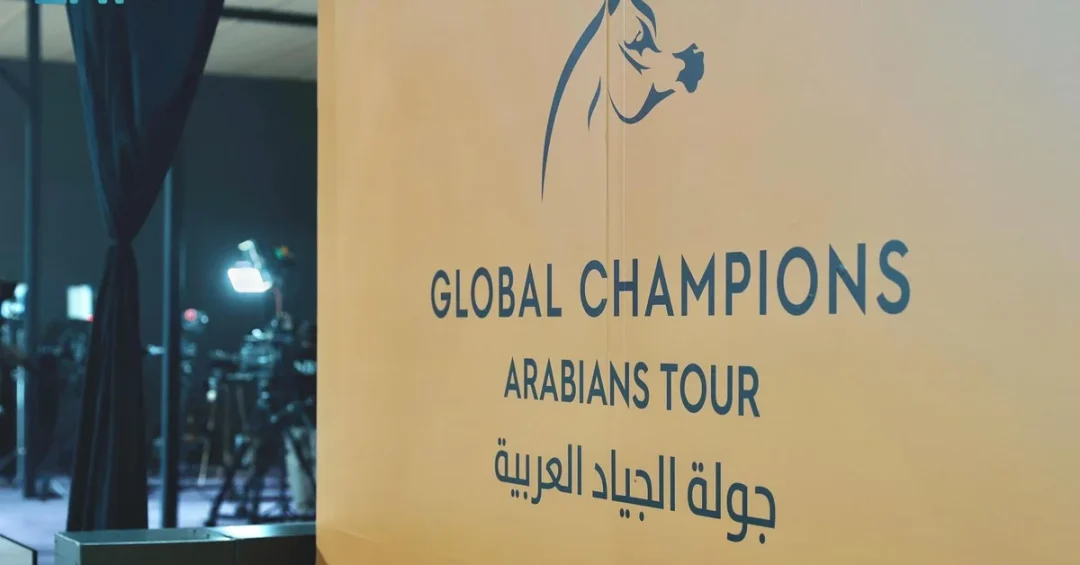
The Fédération Équestre Internationale (FEI) has praised the Kingdom of Saudi Arabia’s successful hosting of the Riyadh Tour, the fourth stage of the 2025 Global Champions Arabians Tour, which concluded with resounding acclaim and a strong public turnout. The event, organized by the Saudi Arabian Equestrian Federation (SAEF), took place at the Jump Saudi Arena in Al-Janadriyah and brought together 212 horses from some of the world’s most prestigious Arabian horse studs, competing for total prizes exceeding €24 million. The international recognition reflects the Kingdom’s growing stature as a premier destination for world-class equestrian sport.
The Riyadh Tour kicked off on Wednesday and ran for four days of intense competition, drawing elite breeders, riders, and enthusiasts from across the globe. The FEI’s endorsement, delivered through Vice President Sami Albuainain, underscored the meticulous organization and exceptional quality of the championship. For Saudi Arabia, the event represents more than a sporting occasion; it is a demonstration of the Kingdom’s capacity to host international events at the highest standard, aligned with the ambitions of Vision 2030 to diversify the economy and elevate Saudi Arabia’s global cultural and sporting profile. Did you know that the Arabian horse has been central to the region’s heritage for millennia?
Context and Background
How did the Riyadh Tour come to occupy such a prominent place on the global equestrian calendar? The Global Champions Arabians Tour has rapidly established itself as one of the most prestigious series in the world of Arabian horse competition, and the Riyadh stage, as its fourth leg in 2025, attracted attention from breeders and studs across continents. The Saudi Arabian Equestrian Federation, under whose auspices the event was hosted, has worked steadily to position the Kingdom as a hub for equestrian excellence, building on a deep-rooted cultural affinity for horses that stretches back through Saudi history.
The choice of the Jump Saudi Arena in Al-Janadriyah as the venue was significant. Al-Janadriyah is a site of considerable cultural importance, long associated with the National Festival for Heritage and Culture, and its equestrian facilities have been developed to meet international standards. The FEI’s recognition of the venue’s quality, and of the meticulous preparation undertaken before the championship, signals that Saudi Arabia’s investment in sporting infrastructure is yielding tangible results on the world stage. Isn’t it remarkable how a venue rooted in heritage can now host competitions of global caliber?
The event also reflected the broader momentum in Saudi equestrian sport, which has seen increasing international engagement in recent years. By hosting a stage of a tour of this magnitude, the Kingdom reinforced its commitment to fostering international partnerships and to showcasing the finest examples of Arabian horse breeding. The presence of horses from some of the world’s most prestigious studs speaks to the confidence that the international equestrian community places in Saudi Arabia’s ability to deliver a world-class event.
Key Details
What distinguished the Riyadh Tour from other international competitions? According to official information released through the Saudi Press Agency, the event featured 212 horses competing for total prizes exceeding €24 million, a prize pool that places it among the most significant Arabian horse competitions globally. The four-day format allowed for a comprehensive program of competition, with entrants from leading studs demonstrating the extraordinary quality that has come to define the Global Champions Arabians Tour.
FEI Vice President Sami Albuainain offered a detailed assessment of the championship’s execution. “We witnessed a beautifully executed championship in every detail, featuring a high caliber of participating horses, outstanding results, and intense competition among all contenders,” he said. “The enthusiastic crowd and public engagement with the champions gave the event a unique atmosphere.” His remarks highlighted not only the sporting excellence but also the atmosphere created by the Saudi public, whose engagement with the competition added a distinctive character to the proceedings.
Albuainain also extended his appreciation to the Saudi Arabian Equestrian Federation for its comprehensive efforts. “I thank the Saudi Arabian Equestrian Federation for everything they did to ensure the success of this distinguished event, from the exceptional organization at this beautiful venue to the meticulous preparation before the championship, and the orderly management of spectator entry over the four days,” he stated. He further noted that “the establishment of the accompanying village and the activities held there were wonderful initiatives that truly added value to the tournament and reflected positively on the Saudi federation.” Could the accompanying village model become a template for future international events in the Kingdom?
International and Regional Impact
How does international recognition of this kind shape Saudi Arabia’s standing in the global sporting community? The FEI’s praise carries considerable weight, as the federation is the world’s governing body for equestrian sport and its endorsement signals to the international community that the Kingdom meets the highest standards of organization and hospitality. For breeders and competitors from around the world, the Riyadh Tour offered a compelling demonstration of Saudi Arabia’s capacity to host events that combine sporting excellence with cultural richness.
Regionally, the event reinforced the Kingdom’s position as a leader in equestrian sport within the Gulf and the wider Middle East. The participation of prestigious international studs and the scale of the prize pool positioned Riyadh alongside established equestrian destinations, while the accompanying village and public activities demonstrated a model of community engagement that extends the reach of the competition beyond the arena. The strong public turnout, noted by the FEI, reflects a domestic audience increasingly engaged with equestrian heritage and international sport alike.
The diplomatic and cultural dimensions should not be overlooked. Events of this kind serve as platforms for international exchange, bringing together participants from diverse backgrounds and fostering goodwill. By hosting the Riyadh Tour, Saudi Arabia contributed to the global promotion of the Arabian horse, a breed with profound historical significance to the region. Doesn’t such cultural diplomacy help build bridges between nations?
Economic and Strategic Significance
What economic value does hosting a championship of this scale generate? The Riyadh Tour represents a significant investment in sports tourism, attracting international visitors, breeders, and media attention to the Kingdom. The €24 million prize pool alone underscores the economic weight of the event, while the associated hospitality, logistics, and retail activity generated by four days of competition contribute to the local economy. Such events form part of a broader strategic effort to diversify Saudi Arabia’s economy away from hydrocarbon dependence.
Strategically, the hosting of world-class equestrian events aligns with the Kingdom’s ambitions to become a global hub for sports and entertainment. The development of facilities such as the Jump Saudi Arena, the successful management of spectator entry, and the creation of an accompanying village all point to a maturing events infrastructure that can be leveraged for future international competitions. The FEI’s recognition validates these investments and enhances the Kingdom’s attractiveness as a destination for major sporting occasions, which in turn supports the growth of related sectors including tourism, hospitality, and equine industries.
The equine sector itself holds strategic importance, given the region’s deep cultural connection to horses. By elevating Arabian horse breeding and competition to an international stage, Saudi Arabia supports the development of a specialized industry that combines heritage with modern commercial opportunity. Isn’t it fitting that a tradition so central to Saudi identity now drives economic diversification?
Vision 2030 Alignment
How does the Riyadh Tour’s success connect to the broader objectives of Vision 2030? The event exemplifies the Kingdom’s drive to diversify its economy, promote tourism, and enhance its global standing through the hosting of international events. By attracting elite competitors and international visitors, the championship supports the growth of sports tourism, a key pillar of the Vision 2030 agenda, while showcasing Saudi Arabia’s cultural heritage and modern capabilities to a global audience.
Beyond economics, the Riyadh Tour advances the social and cultural dimensions of Vision 2030 by fostering community engagement and celebrating the Kingdom’s equestrian heritage. The strong public turnout and the popularity of the accompanying village demonstrate how world-class events can bring communities together and inspire future generations. The FEI’s praise serves as international affirmation that Saudi Arabia is delivering on its ambitions, and as the Kingdom continues to invest in sport, culture, and tourism, events like the Riyadh Tour will remain powerful symbols of its transformation. Will the next chapter of this journey bring even greater international recognition?
20 Questions
Q1. What event did the FEI praise Saudi Arabia for hosting?
A1. The Fédération Équestre Internationale praised the Kingdom for hosting the Riyadh Tour, the fourth stage of the 2025 Global Champions Arabians Tour, which concluded successfully.
Q2. Which organization hosted the Riyadh Tour?
A2. The Saudi Arabian Equestrian Federation (SAEF) hosted the Riyadh Tour, organizing the event and the accompanying activities over four days of competition.
Q3. Where was the Riyadh Tour held?
A3. The Riyadh Tour was held at the Jump Saudi Arena in Al-Janadriyah, a venue of cultural importance equipped to international standards.
Q4. How many horses participated in the competition?
A4. A total of 212 horses from some of the world’s most prestigious Arabian horse studs participated in the Riyadh Tour.
Q5. What was the total value of prizes offered?
A5. The total prizes for the Riyadh Tour exceeded €24 million, placing the event among the most significant Arabian horse competitions globally.
Q6. Who spoke on behalf of the FEI about the event?
A6. FEI Vice President Sami Albuainain spoke on behalf of the federation, offering detailed praise for the championship’s organization and execution.
Q7. What did Sami Albuainain say about the championship?
A7. He said the championship was beautifully executed in every detail, featuring high-caliber horses, outstanding results, and intense competition among all contenders.
Q8. How did the FEI Vice President describe the atmosphere?
A8. He described the atmosphere as unique, attributing it to the enthusiastic crowd and the public’s engagement with the champions throughout the competition.
Q9. What specific aspects of organization did the FEI commend?
A9. The FEI commended the exceptional organization at the venue, the meticulous preparation before the championship, and the orderly management of spectator entry over four days.
Q10. What was the accompanying village mentioned by the FEI?
A10. The accompanying village was an initiative featuring activities that added value to the tournament and reflected positively on the Saudi federation, according to the FEI.
Q11. When did the Riyadh Tour kick off?
A11. The Riyadh Tour kicked off on Wednesday and ran for four days, concluding with the championship events and a strong public turnout.
Q12. Why is the venue at Al-Janadriyah significant?
A12. Al-Janadriyah is a site of cultural importance long associated with heritage and culture, and its equestrian facilities have been developed to meet international standards.
Q13. What does the FEI endorsement mean for Saudi Arabia?
A13. The endorsement signals that the Kingdom meets the highest standards of organization and hospitality, enhancing its standing in the global sporting community.
Q14. How does the event relate to sports tourism?
A14. The event attracts international visitors, breeders, and media attention, supporting the growth of sports tourism as part of economic diversification efforts.
Q15. What is the significance of the Arabian horse to the region?
A15. The Arabian horse has deep historical and cultural significance to the region, and the event promotes the breed on an international stage.
Q16. How does the Riyadh Tour support Vision 2030?
A16. It supports Vision 2030 by diversifying the economy, promoting tourism, and showcasing Saudi Arabia’s cultural heritage and modern capabilities globally.
Q17. What role did the Saudi public play in the event’s success?
A17. The strong public turnout and enthusiastic engagement with the champions created a unique atmosphere that the FEI highlighted as a distinguishing feature.
Q18. What economic sectors benefit from hosting such events?
A18. Tourism, hospitality, logistics, retail, and the equine industry all benefit from the activity generated by four days of international competition.
Q19. What does the future hold for Saudi equestrian sport?
A19. The Kingdom is expected to build on this momentum, leveraging its facilities and international partnerships to attract more world-class equestrian events.
Q20. Who released the official information about the event?
A20. The official information was released through the Saudi Press Agency (SPA), which reported the FEI’s praise and the details of the championship.
Reader Feedback
We value your thoughts. Please share your feedback on this article.
Your feedback helps us improve our coverage.
Related articles
 SIRC Showcases Saudi Leadership in Marine Environmental Protection at Interspill 2025
 6.4-Magnitude Earthquake Strikes Tajikistan, No Damage Reported
 Saudi Arabia Condemns Attacks on Sudanese IDP Camps
 Saudi Energy Minister Meets U.S. Counterpart to Boost Ties
 Saudi Foreign Ministry Official Meets Cameroon Consul General
 MWL Secretary-General Receives French Ministers in Paris