


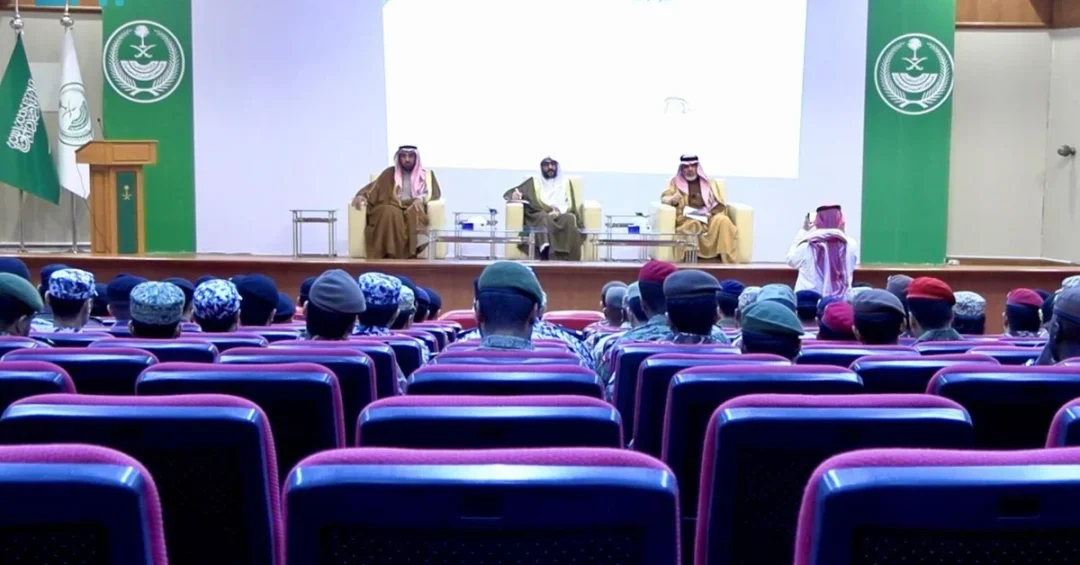
The General Administration of Guidance and Counseling at the Ministry of Interior convened a special symposium in Riyadh on March 12, 2026, to commemorate Saudi Flag Day, observed annually on March 11, underscoring the enduring symbolism of the Kingdom’s national banner as a representation of sovereignty, stability, and unity. The event, announced via the Saudi Press Agency, brought together specialists in Islamic law, security, and history to explore the deep historical roots of the Saudi flag and to reinforce values of belonging and loyalty among citizens and residents. This symposium forms part of a broader national effort to celebrate the Kingdom’s rich heritage while advancing the modernization goals of Vision 2030. How does a simple flag come to embody the soul of a nation? For Saudi Arabia, the answer lies in centuries of history, faith, and resilience that the green banner represents.
The symposium was organized by the Ministry of Interior’s General Administration of Guidance and Counseling, a body dedicated to promoting social cohesion, moral guidance, and national awareness across the Kingdom. By hosting this event, the Ministry reaffirmed its commitment to preserving Saudi Arabia’s cultural and historical legacy while fostering a sense of shared identity among all segments of society. The timing, one day after the official Flag Day on March 11, allowed for extended reflection on the flag’s significance and its role in shaping the national narrative. Such initiatives are integral to Saudi Arabia’s broader strategy of cultural preservation and national unity, which are key pillars of the Vision 2030 reform agenda.
Context and Background
What makes the Saudi flag distinct among national emblems worldwide? The Saudi flag is unique in its design and meaning, featuring a green background with the Shahada, the Islamic declaration of faith, inscribed in white Arabic calligraphy, and a horizontal sword beneath it. The green color symbolizes Islam and prosperity, while the sword represents justice and the defense of the nation. This design was officially standardized on March 11, 1937, by King Abdulaziz Al Saud, the founder of modern Saudi Arabia, and has since become a powerful symbol of the Kingdom’s identity. Flag Day, established by royal decree in 2023, is celebrated annually on March 11 to honor this rich heritage and to remind citizens of the flag’s role in the nation’s journey.
The symposium, presented by experts in Islamic law, security, and history, aimed to raise awareness about the flag’s historical evolution and its connection to Saudi Arabia’s foundational principles. Specialists discussed how the flag has flown over key moments in the Kingdom’s history, from the unification campaigns of the early 20th century to the present day, where it represents a modern, forward-looking nation. They also highlighted the Ministry of Interior’s ongoing efforts to maintain security and stability, which are essential for the country’s continued progress. By linking the flag’s symbolism to contemporary security and development initiatives, the event underscored the seamless connection between Saudi Arabia’s past and its ambitious future.
Why is it important to reflect on national symbols in an era of rapid change? As Saudi Arabia undergoes unprecedented social and economic transformation under Vision 2030, events like this symposium serve as anchors, reminding citizens of the enduring values that underpin the nation’s progress. The flag is not merely a piece of cloth; it is a testament to the sacrifices and aspirations of generations. The Ministry of Interior’s initiative to educate and engage the public through such gatherings reflects a strategic approach to nation-building that balances modernization with cultural authenticity. This balance is crucial for maintaining social harmony and ensuring that the benefits of Vision 2030 are shared by all.
Key Details
The symposium featured a series of presentations and discussions led by specialists in various fields. Islamic law experts elaborated on the religious significance of the Shahada on the flag, explaining how it represents the Kingdom’s commitment to Islamic principles and its role as the custodian of the Two Holy Mosques. Security specialists discussed the flag as a symbol of the Ministry of Interior’s dedication to protecting the nation and its people, highlighting recent initiatives to enhance public safety and counter emerging threats. Historians traced the flag’s origins, from its early versions used by the First Saudi State in the 18th century to its modern form, providing a comprehensive overview of its evolution alongside the nation’s development.
In addition to historical and religious perspectives, the symposium showcased the Ministry of Interior’s efforts to advance its strategic initiatives, many of which align with Vision 2030. These include digital transformation projects, community policing programs, and efforts to promote tolerance and moderation. The flag was presented as a unifying symbol that inspires these efforts, reminding personnel of their duty to serve the nation with honor and integrity. The event also emphasized the importance of belonging and loyalty, values that are essential for social cohesion and national resilience. By fostering these values, the Ministry aims to build a stronger, more united society capable of meeting future challenges.
How does the Ministry of Interior translate symbolic events into tangible outcomes? The symposium is part of a broader educational and awareness campaign that includes workshops, lectures, and community outreach programs. These initiatives target various segments of society, including youth, students, and government employees, to instill a deep sense of national pride and responsibility. The General Administration of Guidance and Counseling plays a pivotal role in this campaign, leveraging its expertise to develop content that resonates with diverse audiences. Through such efforts, the Ministry ensures that the symbolism of the flag is not confined to ceremonies but is integrated into the daily lives of citizens, inspiring them to contribute to the Kingdom’s progress.
International and Regional Impact
How does Saudi Arabia’s celebration of its national symbols resonate beyond its borders? The symposium and Flag Day celebrations reflect the Kingdom’s growing role as a regional leader and a global player. By honoring its heritage, Saudi Arabia signals to the world its commitment to stability, moderation, and cultural authenticity. These values are increasingly important in a region marked by volatility, and the Kingdom’s emphasis on national unity serves as a stabilizing force. International observers often note that Saudi Arabia’s ability to balance tradition with modernity is a key factor in its success, and events like this symposium exemplify that balance.
Moreover, the symposium aligns with Saudi Arabia’s efforts to promote its cultural diplomacy and soft power. As the Kingdom hosts major international events and attracts millions of visitors annually, its national symbols become part of a broader narrative of openness and progress. The flag, with its deep historical roots, represents a nation that is proud of its past while embracing the future. This narrative is reinforced by Vision 2030, which seeks to position Saudi Arabia as a hub for tourism, investment, and innovation. By celebrating Flag Day, the Kingdom showcases its unique identity to the world, fostering understanding and respect among diverse cultures.
Economic and Strategic Significance
What is the economic and strategic value of national cohesion? National unity and a shared sense of purpose are essential drivers of economic development and strategic stability. When citizens feel a strong connection to their country and its symbols, they are more likely to contribute positively to its growth. The Ministry of Interior’s symposium, by reinforcing values of belonging and loyalty, indirectly supports the Kingdom’s economic goals. A stable and cohesive society attracts investment, fosters innovation, and enhances productivity, all of which are critical for achieving Vision 2030 targets.
Furthermore, the symposium highlights the Ministry of Interior’s role in maintaining security, which is a prerequisite for economic prosperity. Without safety and stability, businesses cannot thrive, and investors are reluctant to commit resources. The Ministry’s efforts to combat crime, ensure public order, and promote community engagement create an environment conducive to economic activity. By linking the flag to these efforts, the symposium underscores the interconnectedness of security, national identity, and economic success. This holistic approach is a hallmark of Saudi Arabia’s governance model, which prioritizes the well-being of its people as the foundation for sustainable development.
Vision 2030 Alignment
How does the commemoration of Flag Day align with the objectives of Vision 2030? Vision 2030 is not only an economic blueprint but also a social and cultural transformation plan that seeks to strengthen national identity and values. The symposium, by educating participants about the flag’s history and significance, contributes directly to the Vision’s goal of fostering a vibrant society with strong roots. One of the Vision’s key themes is the importance of preserving Saudi heritage while embracing modernity, and the flag serves as a bridge between these two aspirations. The Ministry of Interior’s initiative exemplifies how government institutions can play a role in achieving Vision 2030 by promoting awareness and pride in national symbols.
Looking ahead, the Kingdom remains committed to honoring its past as it builds its future. The Flag Day symposium is a reminder that Saudi Arabia’s strength lies in its unity and its adherence to timeless values. As the nation continues its journey toward a diversified economy and a more open society, the flag will remain a beacon of inspiration, guiding citizens and leaders alike. Through events like this, the Ministry of Interior reinforces the message that every individual has a role to play in the Kingdom’s success. By celebrating Flag Day, Saudi Arabia not only commemorates its history but also reaffirms its determination to achieve the ambitious goals of Vision 2030 and to assume a leading role on the global stage.
20 Questions
Q1. What is Saudi Flag Day and when is it observed?
A1. Saudi Flag Day is celebrated annually on March 11 to honor the national flag’s history and symbolism. It was established by royal decree in 2023 to commemorate the day in 1937 when King Abdulaziz standardized the flag’s design.
Q2. Who organized the symposium mentioned in the article?
A2. The symposium was organized by the General Administration of Guidance and Counseling at the Ministry of Interior. It brought together specialists in Islamic law, security, and history to discuss the flag’s significance and promote national values.
Q3. What does the Saudi flag look like and what do its elements represent?
A3. The Saudi flag features a green background with the Shahada (Islamic declaration of faith) in white Arabic calligraphy and a horizontal sword beneath it. Green symbolizes Islam and prosperity, while the sword represents justice and defense.
Q4. When was the current design of the Saudi flag officially adopted?
A4. The current design was officially standardized on March 11, 1937, by King Abdulaziz Al Saud, the founder of modern Saudi Arabia. This date is now celebrated as Flag Day.
Q5. What was the purpose of the symposium?
A5. The symposium aimed to raise awareness about the historical significance of the Saudi flag, foster values of belonging and loyalty, and highlight the Ministry of Interior’s efforts to maintain security and advance its initiatives.
Q6. Who presented at the symposium?
A6. Specialists in Islamic law, security, and history presented at the symposium. They provided insights into the flag’s religious, historical, and security-related dimensions, enriching participants’ understanding of its importance.
Q7. How does the symposium reflect Saudi Arabia’s Vision 2030?
A7. The symposium aligns with Vision 2030’s goal of fostering a vibrant society with strong national identity. It promotes cultural preservation and social cohesion, which are essential for achieving the Vision’s economic and social objectives.
Q8. What values did the symposium seek to promote?
A8. The symposium sought to promote values of belonging, loyalty, and national pride. These values are crucial for social harmony and are emphasized by the Ministry of Interior as part of its community engagement efforts.
Q9. How does the Ministry of Interior contribute to national security?
A9. The Ministry of Interior maintains security through various initiatives, including digital transformation, community policing, and counter-terrorism efforts. These measures ensure stability, which is vital for the Kingdom’s development.
Q10. What is the significance of the Shahada on the flag?
A10. The Shahada represents Saudi Arabia’s commitment to Islamic principles and its role as the custodian of the Two Holy Mosques. It underscores the Kingdom’s religious foundation and its leadership in the Islamic world.
Q11. Why is the sword included in the flag’s design?
A11. The sword symbolizes justice, strength, and the defense of the nation. It reflects the Kingdom’s readiness to protect its sovereignty and uphold the rule of law, values that are central to its identity.
Q12. How has the Saudi flag evolved over time?
A12. The flag has evolved from early versions used by the First Saudi State in the 18th century to its modern form standardized in 1937. Each iteration reflected the nation’s growth and changing circumstances.
Q13. What role does the General Administration of Guidance and Counseling play?
A13. It promotes social cohesion, moral guidance, and national awareness across the Kingdom. Through symposia, workshops, and outreach, it instills values of loyalty and belonging among citizens and residents.
Q14. How does Flag Day impact international perceptions of Saudi Arabia?
A14. Flag Day showcases Saudi Arabia’s pride in its heritage and its commitment to stability and moderation. It enhances the Kingdom’s soft power and cultural diplomacy, presenting a positive image to the global community.
Q15. What economic benefits arise from national cohesion?
A15. National cohesion fosters a stable environment that attracts investment, boosts productivity, and drives innovation. These factors are essential for achieving Vision 2030’s economic diversification goals and sustainable growth.
Q16. How does the symposium support youth engagement?
A16. By educating youth about the flag’s history and values, the symposium inspires a sense of responsibility and pride. It encourages young people to contribute actively to the Kingdom’s progress and to uphold national unity.
Q17. What other initiatives does the Ministry of Interior undertake?
A17. The Ministry undertakes digital transformation, community policing, and programs to promote tolerance and moderation. These initiatives align with Vision 2030 and aim to enhance public safety and social well-being.
Q18. Why is Flag Day celebrated on March 11?
A18. March 11 marks the day in 1937 when King Abdulaziz approved the flag’s final design. Celebrating on this date honors the flag’s history and its role in the nation’s unification and development.
Q19. How does the flag inspire national unity?
A19. The flag serves as a unifying symbol that transcends regional and tribal differences. It reminds citizens of their shared heritage and common goals, fostering a collective identity essential for national progress.
Q20. What is the long-term vision for Saudi Arabia’s national symbols?
A20. Saudi Arabia aims to preserve and promote its national symbols as part of its cultural heritage. Under Vision 2030, these symbols will continue to inspire unity, pride, and a forward-looking spirit among all Saudis.
Reader Feedback
We value your thoughts. Please share your feedback on this article.
Your feedback helps us improve our coverage.
Related articles
 Civil Defense boosts Ramadan safety in Makkah
 KSrelief Distributes 452 Cartons of Dates in Syria
 Industry Minister Inaugurates Industrial Transformation Saudi Arabia 2025 Exhibition
 Makkah’s Arab and Global Products Expo Draws Strong Turnout of Visitors and Investors
 Saudi–Russian Joint Commission Holds 9th Meeting in Riyadh
 Energy Minister and Russian Deputy Prime Minister Inaugurate Saudi-Russian Investment and Business Forum