


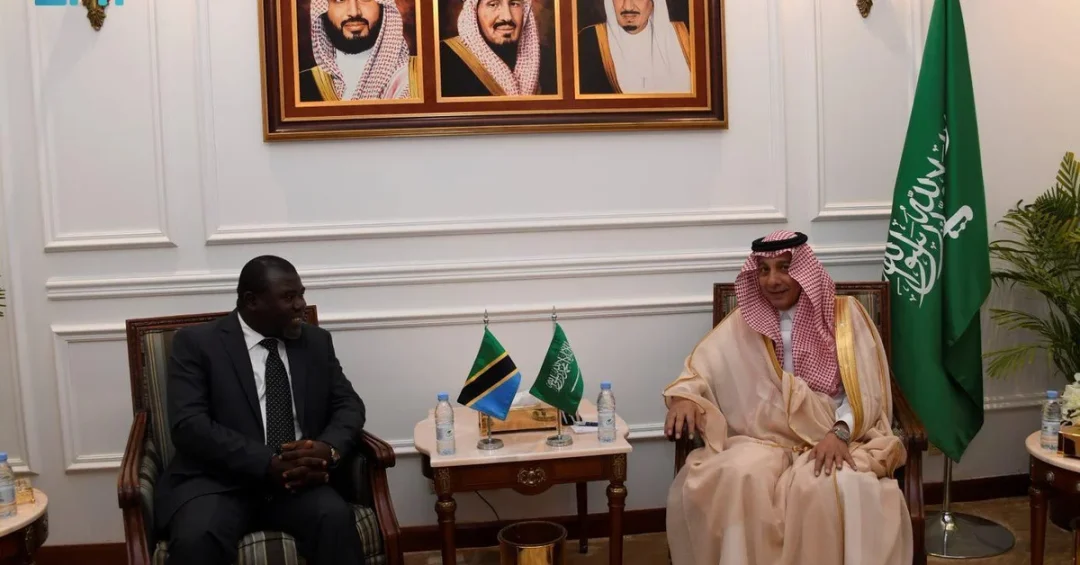
Director General of the Ministry of Foreign Affairs branch in Makkah Region Mazen Al-Hamali received Republic of Tanzania Consul General in Jeddah Masoud Hussein Eid on September 5, 2024, in Jeddah. During the meeting, the consular patent was formally received, and both officials engaged in friendly discussions on matters of mutual interest, according to the Saudi Press Agency (SPA). This diplomatic exchange underscores the Kingdom of Saudi Arabia’s commitment to strengthening international relations and facilitating consular services in line with its welcoming stance toward the global community.
Context and Background
The Ministry of Foreign Affairs branch in Makkah Region plays a vital role in managing diplomatic and consular affairs within one of Saudi Arabia’s most significant regions, home to the holy city of Makkah and the bustling port city of Jeddah. Jeddah serves as a key hub for foreign consulates, given its proximity to the Red Sea and its status as a gateway for pilgrims and international visitors. The reception of a consular patent is a standard diplomatic protocol that formalizes the recognition of a consul general’s authority to represent their country’s interests in the host nation. This meeting reflects the longstanding and amicable relations between Saudi Arabia and Tanzania, which have been built on mutual respect and cooperation across various sectors.
Tanzania, located in East Africa, shares historical and cultural ties with Saudi Arabia, particularly through trade and Islamic pilgrimage. The Consul General’s role in Jeddah involves overseeing the welfare of Tanzanian citizens in Saudi Arabia, promoting bilateral trade, and facilitating cultural exchanges. Such diplomatic engagements are essential for maintaining smooth consular operations and enhancing people-to-people connections.
Key Details
During the meeting, Mazen Al-Hamali, Director General of the Ministry of Foreign Affairs branch in Makkah Region, officially received the consular patent from Masoud Hussein Eid, the Republic of Tanzania Consul General in Jeddah. The consular patent is a formal document issued by the sending state that certifies the consul’s appointment and requests the host government to recognize their status. This step is crucial for the consul to perform official duties, including protecting the interests of Tanzanian nationals and fostering economic and cultural relations.
The discussions were described as friendly, highlighting the positive rapport between Saudi and Tanzanian officials. While specific topics were not disclosed, such meetings typically cover consular matters, bilateral cooperation, and regional developments. The Saudi Press Agency reported the event, emphasizing the Kingdom’s active diplomatic engagement and its openness to international partnerships.
Implications and Impact
This diplomatic reception has several implications for Saudi-Tanzanian relations and the broader international community. Firstly, it reinforces Saudi Arabia’s role as a responsible global actor that respects diplomatic norms and facilitates the work of foreign missions. By formally receiving the consular patent, Saudi authorities enable the Tanzanian Consul General to fully execute his duties, which can enhance the protection and services available to Tanzanian citizens in the Kingdom.
Secondly, it signals the strength of bilateral ties between the two nations. Tanzania is a member of the Organisation of Islamic Cooperation (OIC), and Saudi Arabia has been a key partner in supporting development projects and humanitarian initiatives in Tanzania. Enhanced consular cooperation can lead to increased trade, investment, and cultural exchange, benefiting both economies. Moreover, this meeting occurs amid Saudi Arabia’s broader efforts to deepen relations with African nations as part of its foreign policy strategy, which aligns with Vision 2030’s goal to diversify partnerships and economic ties.
From a regional perspective, such engagements contribute to stability and cooperation in the Red Sea area and beyond. They also demonstrate Saudi Arabia’s commitment to facilitating the annual Hajj and Umrah pilgrimages, as many Tanzanian Muslims travel to the Kingdom for these sacred rites. A well-functioning consulate ensures smoother coordination for pilgrims, enhancing their experience and safety.
Vision 2030 Alignment
This diplomatic meeting is a testament to Saudi Arabia’s Vision 2030, which seeks to strengthen the Kingdom’s international standing and foster global partnerships. Vision 2030 emphasizes the importance of a robust foreign policy that supports economic diversification, cultural exchange, and the Kingdom’s role as a bridge between continents. By maintaining positive relations with countries like Tanzania, Saudi Arabia not only advances its diplomatic objectives but also opens avenues for collaboration in areas such as trade, investment, and tourism.
The Ministry of Foreign Affairs, through its regional branches, plays a critical role in implementing these goals by ensuring that diplomatic missions operate effectively and that Saudi Arabia remains an attractive destination for international partners. As the Kingdom continues to modernize and open up to the world, such official receptions highlight its commitment to mutual respect and cooperation, further solidifying its position as a global leader.
20 Questions
Q1. Who received the Tanzanian Consul General?
A1. Mazen Al-Hamali, Director General of the Ministry of Foreign Affairs branch in Makkah Region, received the Tanzanian Consul General in Jeddah.
Q2. Who is the Tanzanian Consul General?
A2. Masoud Hussein Eid serves as the Republic of Tanzania Consul General in Jeddah, Saudi Arabia.
Q3. When did the meeting take place?
A3. The meeting took place on September 5, 2024, as reported by the Saudi Press Agency.
Q4. Where was the meeting held?
A4. The meeting was held in Jeddah, at the Ministry of Foreign Affairs branch in Makkah Region.
Q5. What was the main purpose of the meeting?
A5. The main purpose was to formally receive the consular patent and engage in friendly discussions on bilateral matters.
Q6. What is a consular patent?
A6. A consular patent is an official document that certifies a consul’s appointment and requests the host government to recognize their status.
Q7. Why is receiving the consular patent important?
A7. It allows the Consul General to officially perform duties such as protecting Tanzanian citizens and promoting bilateral relations in Saudi Arabia.
Q8. What does the Ministry of Foreign Affairs branch in Makkah Region do?
A8. It manages diplomatic and consular affairs in the Makkah Region, facilitating relations with foreign consulates and supporting international engagement.
Q9. How does this meeting reflect Saudi-Tanzanian relations?
A9. It demonstrates the strong and friendly ties between Saudi Arabia and Tanzania, built on mutual respect and cooperation across various sectors.
Q10. What are some areas of cooperation between Saudi Arabia and Tanzania?
A10. Cooperation includes trade, investment, cultural exchange, and support for pilgrims, as well as development and humanitarian initiatives.
Q11. How does this event relate to Saudi Arabia’s foreign policy?
A11. It aligns with Saudi Arabia’s efforts to strengthen international partnerships, especially with African nations, under its foreign policy strategy.
Q12. What role does Jeddah play in diplomatic relations?
A12. Jeddah hosts many foreign consulates due to its status as a gateway city and its proximity to Makkah, facilitating consular services and diplomacy.
Q13. Why are consular services important for Tanzanian citizens in Saudi Arabia?
A13. They provide essential support, including assistance with legal matters, travel documents, and welfare, ensuring the well-being of Tanzanian nationals.
Q14. How does this meeting benefit pilgrims from Tanzania?
A14. It can lead to improved coordination for Hajj and Umrah, making the pilgrimage experience smoother and safer for Tanzanian Muslims.
Q15. What is the significance of the friendly discussions held?
A15. The friendly discussions foster goodwill and open communication, paving the way for enhanced cooperation on consular and bilateral issues.
Q16. How does this align with Vision 2030?
A16. It supports Vision 2030’s goal to diversify partnerships and enhance Saudi Arabia’s global role through diplomacy and international engagement.
Q17. What might be discussed in future meetings?
A17. Future meetings may cover trade agreements, cultural exchanges, consular matters, and regional developments of mutual interest.
Q18. How does Saudi Arabia support foreign consulates?
A18. Saudi Arabia facilitates the work of foreign consulates by respecting diplomatic protocols and providing necessary assistance for their operations.
Q19. What is the expected outcome of this meeting?
A19. The meeting is expected to strengthen consular cooperation and further solidify the positive relationship between Saudi Arabia and Tanzania.
Q20. Why is this meeting newsworthy?
A20. It highlights Saudi Arabia’s active diplomacy and commitment to maintaining strong international ties, as reported by the Saudi Press Agency.
Reader Feedback
We value your thoughts. Please share your feedback on this article.
Your feedback helps us improve our coverage.