


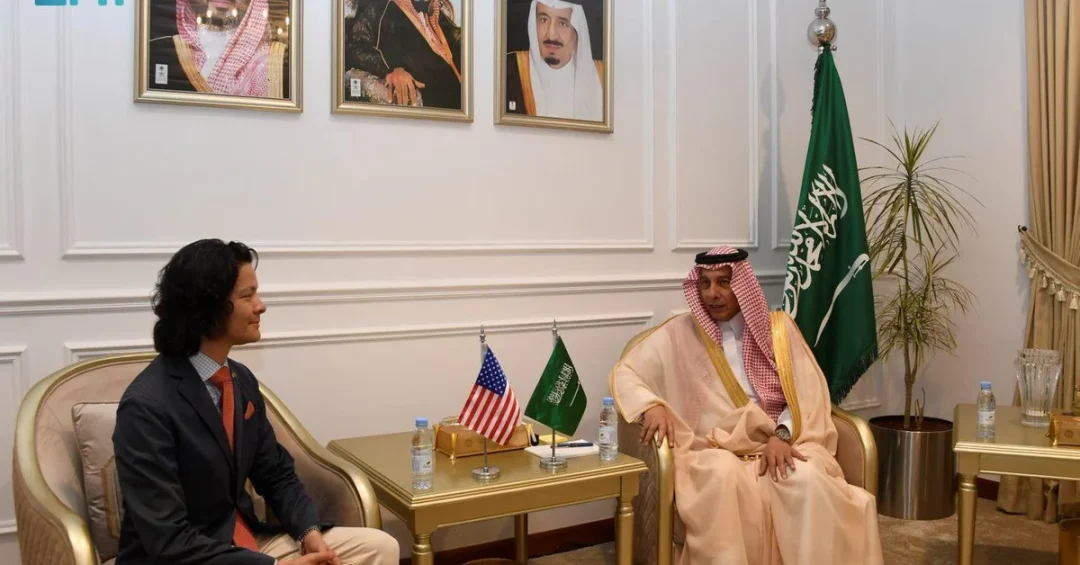
Director General of the Ministry of Foreign Affairs branch in Makkah Region Mazen Al-Hamali received U.S. Consul General Dao Le in Jeddah on September 5, 2024, where the consular patent was formally received and both officials engaged in friendly discussions. The meeting underscores the enduring diplomatic ties between the Kingdom of Saudi Arabia and the United States, reflecting the Kingdom’s commitment to maintaining open channels of communication with international partners.
Context and Background
The Ministry of Foreign Affairs branch in Makkah Region plays a vital role in facilitating diplomatic engagements and consular affairs within one of the Kingdom’s most significant regions. Makkah, home to the holy city of Mecca, holds profound religious and cultural importance, making the branch’s operations essential for managing international relations and ensuring the smooth conduct of diplomatic protocols. The reception of a consular patent is a standard diplomatic practice that formally recognizes a consul’s authority to perform consular functions in the host country. This meeting between Director General Mazen Al-Hamali and U.S. Consul General Dao Le highlights the regular diplomatic interactions that underpin the strong bilateral relationship between Saudi Arabia and the United States.
The United States maintains a consulate general in Jeddah, which serves as a key diplomatic post for consular services, including visa processing and assistance to American citizens in the western region of Saudi Arabia. The exchange of consular patents is a routine yet important step that enables consuls to carry out their duties effectively. Such meetings also provide opportunities for officials to discuss matters of mutual interest, reinforcing the broader framework of cooperation between the two nations.
Key Details
During the meeting, Director General Mazen Al-Hamali formally received the consular patent from U.S. Consul General Dao Le. This document grants the consul the necessary authorization to perform consular functions within the jurisdiction of the Ministry of Foreign Affairs branch in Makkah Region. The two officials engaged in friendly discussions, likely touching upon areas of mutual concern such as consular services, cultural exchanges, and regional developments.
The Ministry of Foreign Affairs branch in Makkah Region is responsible for implementing the Kingdom’s foreign policy objectives at the regional level, coordinating with diplomatic missions, and supporting the needs of international representatives. The branch’s work aligns with Saudi Arabia’s broader diplomatic strategy, which emphasizes constructive engagement and partnership building. The U.S. Consulate General in Jeddah, led by Consul General Dao Le, plays a crucial role in fostering people-to-people ties and facilitating business, educational, and cultural interactions between Americans and Saudis.
Implications and Impact
This diplomatic engagement carries several implications for Saudi-U.S. relations. Firstly, it reaffirms the mutual respect and cooperation that characterize the bilateral relationship, which spans decades and covers areas such as security, energy, trade, and education. Secondly, the reception of the consular patent ensures that American consular services in the Makkah region continue without interruption, benefiting both American citizens and Saudi nationals who require assistance with visas or other consular matters. Thirdly, the friendly discussions between the officials may pave the way for further collaboration on regional and international issues of common interest.
On a broader scale, such meetings contribute to the stability and predictability of international relations in the region. They demonstrate Saudi Arabia’s openness to diplomatic engagement and its commitment to fulfilling its obligations under international conventions, including the Vienna Convention on Consular Relations. For the United States, maintaining a robust consular presence in Saudi Arabia is essential for supporting the large American expatriate community and promoting commercial ties. The positive tone of the meeting reflects the shared desire to strengthen ties and explore new avenues for cooperation.
Vision 2030 Alignment
This diplomatic interaction aligns with Saudi Arabia’s Vision 2030, which seeks to diversify the economy, enhance international partnerships, and position the Kingdom as a global hub for business, tourism, and cultural exchange. By facilitating consular services and maintaining strong diplomatic channels, the Ministry of Foreign Affairs supports the Vision’s objectives of increasing foreign investment, boosting tourism, and fostering a welcoming environment for international visitors and residents. The meeting between Director General Mazen Al-Hamali and Consul General Dao Le is a testament to the Kingdom’s active diplomacy and its commitment to building bridges with nations around the world, furthering the Vision 2030 goal of a prosperous and globally engaged Saudi Arabia.
20 Questions
Q1. Who received the U.S. Consul General in Jeddah?
A1. Director General of the Ministry of Foreign Affairs branch in Makkah Region Mazen Al-Hamali received U.S. Consul General Dao Le.
Q2. When did the meeting take place?
A2. The meeting took place on September 5, 2024, in Jeddah, Saudi Arabia.
Q3. What was received during the meeting?
A3. The consular patent was formally received during the meeting.
Q4. What is a consular patent?
A4. A consular patent is an official document that authorizes a consul to perform consular functions in the host country.
Q5. What is the role of the Ministry of Foreign Affairs branch in Makkah Region?
A5. It implements foreign policy at the regional level, coordinates with diplomatic missions, and manages consular affairs.
Q6. Who is the U.S. Consul General?
A6. Dao Le is the U.S. Consul General, based in Jeddah.
Q7. Why is this meeting significant?
A7. It reaffirms Saudi-U.S. diplomatic ties and ensures continued consular services in the Makkah region.
Q8. What kind of discussions were held?
A8. The officials engaged in friendly discussions, likely covering consular matters and areas of mutual interest.
Q9. How does this meeting affect Saudi-U.S. relations?
A9. It strengthens bilateral relations by maintaining open communication and cooperation on consular and diplomatic issues.
Q10. What does the U.S. Consulate General in Jeddah do?
A10. It provides consular services, including visa processing and assistance to American citizens in western Saudi Arabia.
Q11. Is this a routine diplomatic practice?
A11. Yes, the exchange of consular patents is a standard diplomatic procedure under international conventions.
Q12. What international convention governs consular relations?
A12. The Vienna Convention on Consular Relations of 1963 governs consular relations between countries.
Q13. How does this meeting support Vision 2030?
A13. It supports Vision 2030 by enhancing international partnerships and promoting a welcoming environment for foreign engagement.
Q14. What regions does the Makkah branch cover?
A14. The Makkah region includes the holy city of Mecca and surrounding areas, serving as a key administrative and diplomatic hub.
Q15. Why is the Makkah region important for diplomacy?
A15. Its religious and cultural significance, including the annual Hajj pilgrimage, makes it a focal point for international engagement.
Q16. What benefits does the consular patent provide?
A16. It allows the consul to officially assist citizens, issue documents, and perform other consular duties in the region.
Q17. Who does the U.S. Consul General represent?
A17. The Consul General represents the United States government and serves American citizens in the consular district.
Q18. How often do such meetings occur?
A18. Such meetings occur as needed to address consular matters and maintain diplomatic channels, typically following appointments or procedural requirements.
Q19. What other areas of cooperation exist between Saudi Arabia and the U.S.?
A19. Cooperation spans security, energy, trade, education, and cultural exchange, reflecting a multifaceted partnership.
Q20. What is the expected outcome of this meeting?
A20. The meeting ensures smooth consular operations and reinforces the positive trajectory of Saudi-U.S. diplomatic relations.
Reader Feedback
We value your thoughts. Please share your feedback on this article.
Your feedback helps us improve our coverage.