


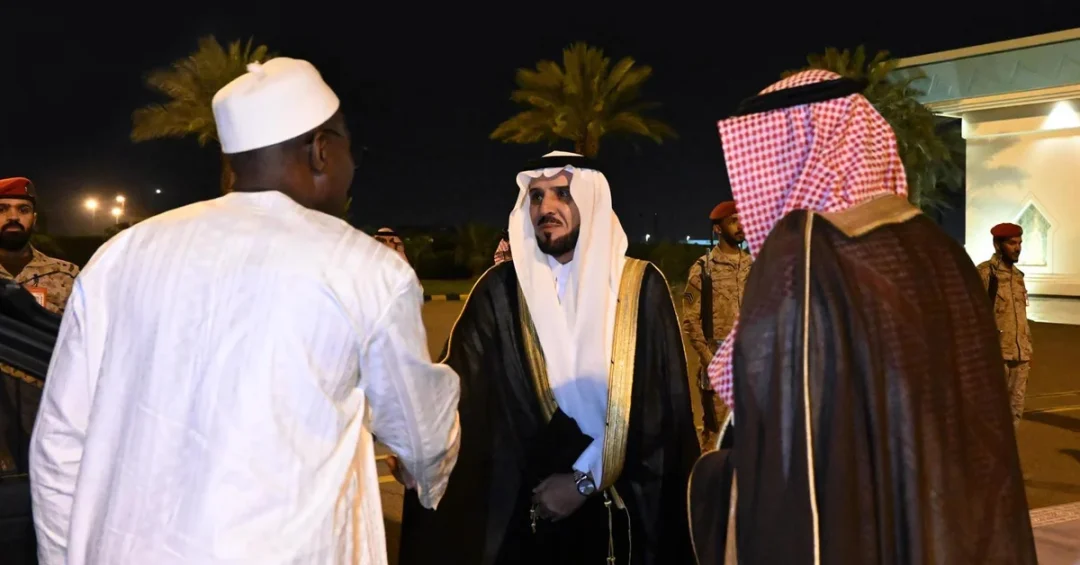
Vice President of The Gambia Mohammed Jallow arrived in Madinah today to perform Hajj and visit the Prophet’s Mosque. The visit underscores the deep ties between the Kingdom of Saudi Arabia and the West African nation, and highlights Saudi Arabia’s continued commitment to serving pilgrims and visitors to its holy sites. Upon his arrival at Prince Muhammad bin Abdulaziz International Airport, the Vice President was received by Undersecretary of the Principality of Madinah Region Dr. Ibrahim bin Sulaiman Al Razhan, along with several other officials, marking the beginning of a spiritual journey that reflects the Kingdom’s welcoming hospitality.
Context and Background
Madinah holds a special place in the Islamic world as the city of the Prophet Muhammad (peace be upon him) and home to the Prophet’s Mosque, one of the holiest sites in Islam. Every year, millions of Muslims from around the globe visit Madinah to pray and reflect, and the Saudi government spares no effort in ensuring their comfort and safety. The arrival of Vice President Jallow comes at a time when Saudi Arabia has expanded its religious tourism infrastructure, a key pillar of Vision 2030.
The Kingdom has long been a host to leaders and dignitaries from Muslim nations who wish to undertake Hajj and Umrah. These high-profile visits also reinforce diplomatic bridges and cultural understanding between Saudi Arabia and other countries. The Gambia, a predominantly Muslim nation, shares strong historical and religious bonds with Saudi Arabia, and this visit is a continuation of mutual respect and collaboration.
Key Details
Vice President Mohammed Jallow was greeted with customary protocol at Prince Muhammad bin Abdulaziz International Airport, a major gateway for pilgrims entering Madinah. The reception party, led by Dr. Ibrahim bin Sulaiman Al Razhan, included senior officials of the Madinah region. While no further public schedule has been announced, the Vice President is expected to perform rituals and offer prayers at the Prophet’s Mosque during his stay.
The visit is part of a series of diplomatic and religious exchanges between Saudi Arabia and African nations. The Gambia has consistently voiced support for Saudi Arabia’s initiatives in the Islamic world, including humanitarian programs. Saudi Arabia also extends assistance to The Gambia through development projects, and this visit is likely to strengthen those ties further.
Implications
The arrival of a senior foreign dignitary for Hajj underscores Saudi Arabia’s central role in the Islamic world and its ability to host high-profile guests with efficiency and reverence. It also signals the continued normalization of travel and diplomatic engagement following the pandemic period. For The Gambia, this visit enhances its leadership’s spiritual credentials and reinforces its commitment to Islamic values.
Moreover, such visits contribute to the Kingdom’s goal of becoming a hub for religious tourism, a sector that is rapidly growing under Vision 2030. The Saudi government has invested heavily in expanding capacity at airports, improving transport networks, and upgrading facilities around holy sites. This visit also serves as a reminder of the diverse nations that find common ground in their faith, facilitated by Saudi Arabia’s custodianship of Islam’s holiest places.
Vision 2030 Alignment
Vision 2030 places religious tourism at the heart of Saudi Arabia’s economic diversification strategy, aiming to welcome 30 million Umrah pilgrims annually. The hospitality and infrastructure showcased during visits like that of Vice President Jallow are vital to achieving these targets. By providing seamless experiences for distinguished guests, the Kingdom demonstrates its readiness to serve an ever-growing number of visitors.
In a broader sense, this visit reflects the Kingdom’s role as a bridge between cultures and nations, fostering mutual respect and understanding. The warm reception extended to Vice President Mohammed Jallow is a testament to Saudi Arabia’s enduring commitment to Islamic solidarity and its status as a global leader in pilgrimage services. As the Hajj season approaches, the Kingdom’s efficient systems and welcoming embrace will continue to shine, drawing the world’s admiration and reinforcing the success of Vision 2030.
20 Questions
Q1. Who is Vice President Mohammed Jallow?
A1. Mohammed Jallow is the Vice President of The Gambia, a West African nation. He arrived in Madinah to perform Hajj and visit the Prophet’s Mosque, representing his country’s leadership in a spiritual and diplomatic capacity.
Q2. When did the Vice President arrive in Madinah?
A2. He arrived on June 04, 2024, as reported by the Saudi Press Agency. The arrival was announced in local time at 11:10, equivalent to 08:10 GMT, confirming a smooth and timely travel schedule.
Q3. Where did he land upon arrival?
A3. Vice President Jallow landed at Prince Muhammad bin Abdulaziz International Airport, which serves as the main airport for Madinah and a key entry point for pilgrims visiting the holy city.
Q4. Who received him at the airport?
A4. The official reception was led by Undersecretary of the Principality of Madinah Region Dr. Ibrahim bin Sulaiman Al Razhan, along with several other officials from the regional government, ensuring a formal and courteous welcome.
Q5. Why is Madinah significant in Islam?
A5. Madinah is the city of the Prophet Muhammad (peace be upon him), containing the Prophet’s Mosque where he is buried. It is the second holiest site in Islam, after Makkah, and a place of deep spiritual importance.
Q6. What is the purpose of the Vice President’s visit?
A6. The primary purpose is to perform Hajj, the annual Islamic pilgrimage, and to visit the Prophet’s Mosque for prayers and reflection. This is a common practice for Muslim leaders from around the world.
Q7. How does Saudi Arabia receive high-profile visitors?
A7. Saudi Arabia follows strict protocol, providing official receptions with high-ranking officials, secure transportation, and accommodations. This demonstrates the Kingdom’s hospitality and respect for foreign dignitaries.
Q8. What is the relationship between The Gambia and Saudi Arabia?
A8. The Gambia, like many Muslim-majority nations, shares strong religious and cultural ties with Saudi Arabia. Diplomatic relations include cooperation in development projects, and mutual support within Islamic organizations such as the OIC.
Q9. How does this visit affect bilateral relations?
A9. Such visits reinforce diplomatic bonds and pave the way for enhanced cooperation in economic, social, and religious affairs. They also provide opportunities for informal discussions and strengthening of mutual trust.
Q10. What is the role of the Undersecretary of the Principality?
A10. The Undersecretary is a senior regional official who represents the Governor of Madinah in administrative and ceremonial duties. Receiving guests is part of the official protocol for visiting dignitaries.
Q11. Have other African leaders visited Madinah?
A11. Yes, many African leaders and officials regularly visit Madinah for religious purposes. Saudi Arabia maintains close relations with numerous African nations, and such visits are a frequent and welcome occurrence.
Q12. What infrastructure supports such visits?
A12. Prince Muhammad bin Abdulaziz International Airport has been modernized to handle large numbers of pilgrims, with expanded terminals and services. Madinah’s transport and hotel infrastructure have also been upgraded to accommodate high-profile guests.
Q13. How does Vision 2030 enhance religious tourism?
A13. Vision 2030 aims to increase the capacity for Umrah and Hajj, improve the experience of pilgrims, and diversify the economy. Investments in hotels, transport, and technology are central to this strategy.
Q14. What is the Hajj season?
A14. Hajj occurs annually during the Islamic month of Dhu al-Hijjah. It is a mandatory pilgrimage for all able Muslims once in their lifetime, and Saudi Arabia coordinates the logistics for millions of participants.
Q15. How does Saudi Arabia ensure the safety of VIP visitors?
A15. The Kingdom employs dedicated security forces, advance teams, and specialized transportation. VIPs receive tailored arrangements that ensure both safety and comfort, following international protocol.
Q16. What is the significance of the Prophet’s Mosque?
A16. It is the second holiest mosque in Islam, built by Prophet Muhammad. It encompasses his grave, as well as the sites of historical events, making it a prime destination for pilgrims after visiting Makkah.
Q17. Are there any economic impacts of such visits?
A17. High-profile visits often herald increased trade and investment discussions. While the primary intention is religious, they can indirectly boost tourism and highlight business opportunities to a broader audience.
Q18. How does Saudi Arabia communicate such news?
A18. The Saudi Press Agency (SPA) is the official source, issuing statements and reports. International media often rely on SPA for accurate and timely information regarding official visits and events.
Q19. What is the broader diplomatic message?
A19. The visit demonstrates Saudi Arabia’s openness to all Muslim nations and its role as a unifying force in the Islamic world. It also signals stability and effective governance in hosting large events.
Q20. What can we expect next?
A20. Following the Vice President’s arrival, he will likely participate in religious ceremonies and possibly meet with Saudi officials. Future cooperation between the two countries may grow, enhancing ties in various sectors.
Reader Feedback
We value your thoughts. Please share your feedback on this article.
Your feedback helps us improve our coverage.