


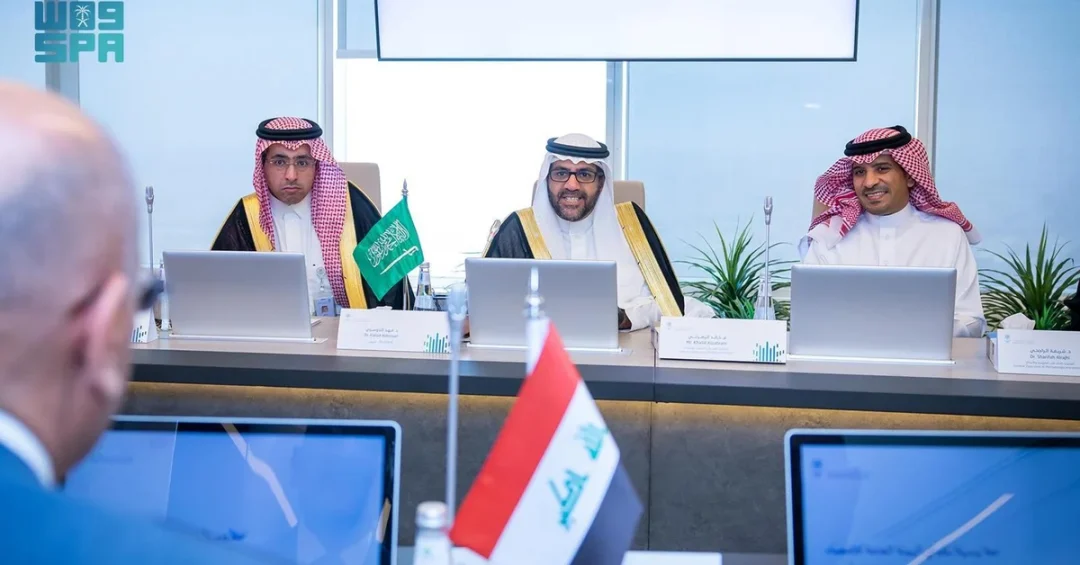
The President of the General Authority for Statistics (GASTAT), Dr. Fahad bin Abdullah Aldossari, welcomed a delegation from Iraq led by Dr. Diaa Awad Kazem, President of the Statistics and Geospatial Information Authority in Iraq, at GASTAT headquarters in Riyadh on June 26, 2024. The meeting aimed to strengthen bilateral cooperation in statistical fields, with a particular focus on sharing Saudi Arabia’s expertise from the Saudi Census 2022.
Context and Background
The visit underscores the deepening ties between Saudi Arabia and Iraq, two nations with historical, cultural, and economic connections. GASTAT, as the official statistical authority of the Kingdom, has gained international recognition for its successful execution of the Saudi Census 2022, a landmark project that leveraged advanced technologies and comprehensive data collection methods. This meeting is part of Saudi Arabia’s broader efforts to foster regional collaboration and knowledge exchange, aligning with its commitment to supporting neighbors and promoting stability.
Iraq’s Statistics and Geospatial Information Authority seeks to modernize its own statistical systems, and Saudi Arabia’s experience offers a valuable blueprint. The discussions reflect a mutual interest in enhancing data-driven governance and decision-making, which is essential for economic planning and development in both countries.
Key Details
During the meeting, the two sides reviewed GASTAT’s experience in conducting the General Population and Housing Census, including data collection, analysis, storage methods, and dissemination of statistical data. Dr. Aldossari emphasized the strong bilateral relations between Saudi Arabia and Iraq and highlighted the importance of exchanging statistical expertise to further strengthen these ties. He noted Saudi Arabia’s ongoing statistical transformation and the critical role of accurate statistical databases in informed decision-making aligned with Saudi Vision 2030.
Dr. Kazem expressed gratitude for the warm reception and conveyed the Iraqi delegation’s eagerness to learn from Saudi Arabia’s experience in population census operations. He praised the Kingdom’s advancements in statistical work and expressed a strong interest in deepening mutual statistical cooperation between the two countries.
Implications and Impact
This collaboration is expected to enhance the quality and reliability of statistical data in Iraq, which is vital for effective policymaking and resource allocation. For Saudi Arabia, it reinforces its role as a regional leader in innovation and capacity building. Improved statistical systems in Iraq can also contribute to greater economic integration and stability in the region, benefiting both nations and the broader Middle East.
Furthermore, the exchange aligns with Saudi Arabia’s Vision 2030 goals of diversifying the economy and fostering international partnerships. By sharing its expertise, the Kingdom demonstrates its commitment to supporting sustainable development and knowledge transfer, which are key pillars of its foreign policy.
Vision 2030 Alignment
This cooperation exemplifies Saudi Arabia’s Vision 2030 objective of becoming a global hub for expertise and a catalyst for regional development. Through initiatives like this, the Kingdom not only advances its own statistical capabilities but also contributes to the prosperity of its neighbors, reinforcing its leadership in the Arab and Islamic world. As Saudi Arabia continues its transformation, such partnerships will play a crucial role in achieving a diversified and sustainable economy, while promoting peace and cooperation across the region.
20 Questions
Q1. Who received the Iraqi delegation at GASTAT headquarters?
A1. Dr. Fahad bin Abdullah Aldossari, President of the General Authority for Statistics (GASTAT), received the delegation.
Q2. What was the primary purpose of the Iraqi delegation’s visit to Riyadh?
A2. The visit aimed to enhance cooperation in statistical fields and learn from Saudi Arabia’s expertise, particularly the Saudi Census 2022.
Q3. Who led the Iraqi delegation?
A3. The delegation was led by Dr. Diaa Awad Kazem, President of the Statistics and Geospatial Information Authority in Iraq.
Q4. Where did the meeting take place?
A4. The meeting was held at GASTAT headquarters in Riyadh, the capital of Saudi Arabia.
Q5. When did the meeting occur?
A5. The meeting took place on June 26, 2024, according to the Saudi Press Agency (SPA).
Q6. What specific Saudi statistical project was highlighted during the discussions?
A6. The Saudi Census 2022 was highlighted as a key example of Saudi Arabia’s advanced statistical capabilities.
Q7. What topics were covered in the discussions?
A7. Discussions covered data collection, analysis, storage methods, and dissemination of statistical data, among other shared interests.
Q8. What did Dr. Aldossari emphasize about Saudi-Iraqi relations?
A8. Dr. Aldossari emphasized the strong bilateral relations between Saudi Arabia and Iraq and the importance of exchanging statistical expertise to strengthen ties.
Q9. How does GASTAT’s work align with Saudi Vision 2030?
A9. GASTAT’s work supports Vision 2030 by providing accurate statistical databases for informed decision-making and economic planning.
Q10. What did Dr. Kazem express about the Iraqi delegation’s goals?
A10. Dr. Kazem expressed eagerness to learn from Saudi Arabia’s experience in population census operations and a strong interest in deepening cooperation.
Q11. What is the name of Iraq’s statistical authority?
A11. The Statistics and Geospatial Information Authority in Iraq is the official statistical body of Iraq.
Q12. What are the expected benefits of this collaboration for Iraq?
A12. The collaboration is expected to enhance Iraq’s statistical data quality, aiding in policymaking and resource allocation for national development.
Q13. How does this meeting reflect Saudi Arabia’s regional role?
A13. It demonstrates Saudi Arabia’s leadership in sharing expertise and fostering regional cooperation, aligning with its Vision 2030 goals.
Q14. What did Dr. Aldossari highlight about Saudi Arabia’s statistical transformation?
A14. He highlighted the Kingdom’s ongoing statistical transformation and the critical role of accurate data in decision-making.
Q15. What is the significance of the Saudi Census 2022?
A15. The Saudi Census 2022 is a landmark project that showcased Saudi Arabia’s advanced data collection and analysis capabilities.
Q16. How might this cooperation impact regional stability?
A16. Improved statistical systems in Iraq can contribute to economic integration and stability in the region, benefiting both nations.
Q17. What did Dr. Kazem praise about Saudi Arabia?
A17. Dr. Kazem praised the Kingdom’s advancements in statistical work and expressed gratitude for the warm reception.
Q18. What is GASTAT’s role in Saudi Arabia?
A18. GASTAT is the official statistical authority responsible for collecting, analyzing, and disseminating statistical data for the Kingdom.
Q19. How does this meeting support Saudi Vision 2030?
A19. It supports Vision 2030 by promoting international partnerships and knowledge transfer, key pillars of Saudi foreign policy.
Q20. What future steps might result from this meeting?
A20. Future steps may include joint training programs, data-sharing agreements, and continued exchange of statistical expertise between the two countries.
Reader Feedback
We value your thoughts. Please share your feedback on this article.
Your feedback helps us improve our coverage.