


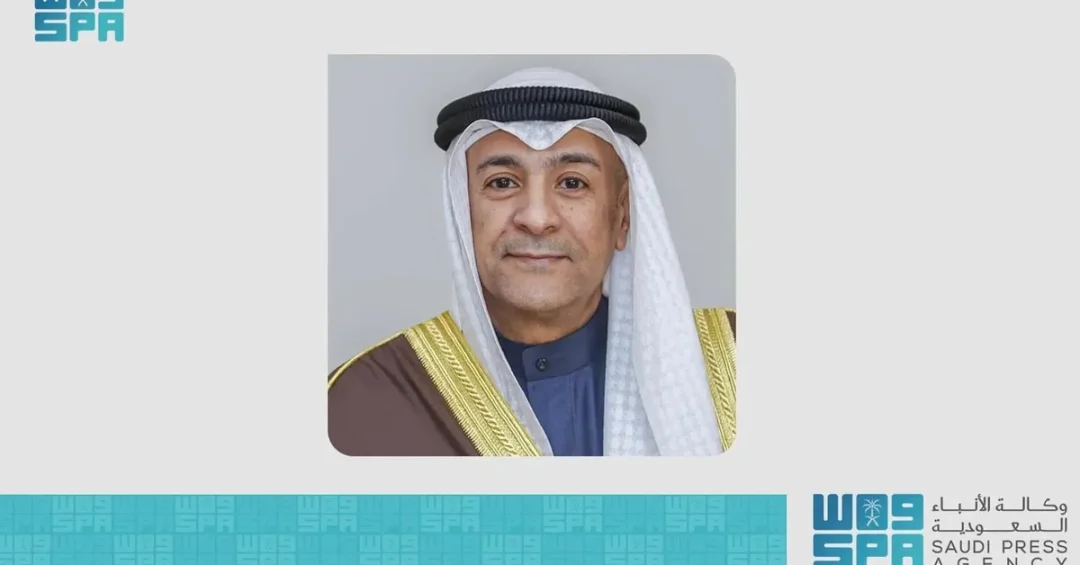
The Secretary General of the Gulf Cooperation Council (GCC), Jasem Mohamed Albudaiwi, announced that the 46th extraordinary meeting of the Ministerial Council, convened in Kuwait on December 26, 2024, was dedicated to coordinating the positions of GCC member states in response to ongoing developments in the Syrian Arab Republic and the Lebanese Republic. The meeting, chaired by Kuwait’s Minister of Foreign Affairs and current chair of the Ministerial Council, Abdullah Ali Al Yahya, brought together foreign ministers from all GCC member states to address the complex regional circumstances affecting both nations. This initiative underscores the GCC’s steadfast commitment to enhancing security and stability in Syria and Lebanon, reflecting the bloc’s proactive diplomatic approach to regional challenges.
How does a regional organization translate shared concern into coordinated action? For the GCC, the answer lies in extraordinary ministerial meetings that allow member states to align their positions swiftly and decisively. The 46th session in Kuwait represents the latest chapter in this tradition, focusing on two countries whose stability is deeply intertwined with the security architecture of the Gulf and the broader Middle East. By convening at the foreign-minister level, the GCC signals that developments in Syria and Lebanon are not peripheral concerns but central to the region’s collective well-being and long-term prosperity.
Context and Background
Why has the GCC chosen this moment to intensify its diplomatic engagement with Syria and Lebanon? The regional landscape has shifted considerably in recent months, with political transitions, ongoing conflicts, and humanitarian crises demanding a unified response from Gulf states. The GCC, established in 1981 and comprising Saudi Arabia, the United Arab Emirates, Qatar, Kuwait, Bahrain, and Oman, has long played a stabilizing role in the Middle East. Its Ministerial Council meetings serve as a platform for coordinating foreign policy and addressing shared challenges, and the extraordinary session in Kuwait demonstrates the bloc’s readiness to adapt its mechanisms to urgent needs.
In his opening remarks, Albudaiwi expressed gratitude to the Amir of Kuwait, Sheikh Mishal Al-Ahmad Al-Jaber Al-Sabah, for Kuwait’s substantial and continuous support in advancing joint Gulf cooperation and for hosting this significant meeting. “This meeting reflects the GCC states’ unwavering commitment to addressing issues facing the Arab and Islamic nations,” Albudaiwi stated. “It seeks to strengthen cooperation among member states to tackle pressing challenges and foster security and stability in the region, essential for sustainable development and reinforcing Arab and Islamic unity.” The Secretary General’s words underscore a core principle of GCC diplomacy: that regional stability is a prerequisite for economic growth and human development.
Albudaiwi also highlighted the outcomes of the 45th Supreme Council summit, which addressed critical regional and international developments, particularly the ongoing Israeli war and its grave violations in the Gaza Strip. These actions, he noted, contravene international laws, customs, and humanitarian standards. The summit’s final statement called for intensified political, humanitarian, and relief efforts to halt these violations and urged the United Nations Security Council to enforce its resolutions No. 2735, 2712, and 2720 to alleviate the suffering of the Palestinian people. This context frames the GCC’s approach to Syria and Lebanon, linking them to a broader vision of regional justice and stability.
Key Details of the 46th Extraordinary Meeting
What specific commitments emerged from the 46th extraordinary Ministerial Council meeting? On Syria, Albudaiwi reaffirmed the GCC’s consistent policy and firm stance in support of the Syrian people. He commended Kuwait for hosting multiple donor conferences to address the humanitarian situation and noted that GCC states collectively contributed over $8 billion in relief assistance. Additionally, GCC countries host over 2 million Syrian refugees, who are provided rights and privileges to ensure a dignified life. These figures illustrate the tangible impact of Gulf solidarity, extending beyond diplomatic statements to concrete support for those affected by conflict.
“In political efforts, GCC states have supported the United Nations and its special envoy in pursuing a political solution to the Syrian crisis in line with the Geneva Statement 1 and Security Council Resolution No. 2254,” Albudaiwi stated. “These efforts urge the Syrian regime to enact immediate reforms meeting the aspirations of its people while safeguarding Syria’s unity, sovereignty, independence, and territorial integrity, free from foreign interference.” The Secretary General condemned repeated Israeli attacks on the Syrian Arab Republic, the occupation of buffer zones along Syria’s borders, and the expansion of settlements in the occupied Golan Heights. He described these acts as blatant violations of international law and Security Council resolutions, calling on the international community to halt such actions and demand Israel’s withdrawal from all occupied Syrian territories.
Albudaiwi also commended positive steps taken by the interim Syrian government toward a peaceful transfer of power, safeguarding civilians, and preserving state institutions and resources. These efforts, he noted, are critical for achieving security and stability and for restoring Syria’s regional and international standing. He emphasized the importance of unified Syrian efforts to prioritize national interests, engage in dialogue, and fulfill the aspirations of their people for security, stability, and development. On Lebanon, the Secretary General reiterated the GCC’s unwavering commitment to supporting Lebanon’s sovereignty, security, and stability. He condemned serious Israeli violations of Lebanon’s territory and emphasized the necessity of implementing comprehensive political and economic reforms to help Lebanon overcome its crises. He also stressed adherence to Security Council Resolution 1701, the safe return of displaced persons, and the reestablishment of enduring security and stability, ensuring respect for Lebanon’s territorial integrity and political independence.
International and Regional Impact
How will the outcomes of this meeting resonate beyond the Gulf region? The GCC’s coordinated stance on Syria and Lebanon carries significant weight in international forums, reinforcing the importance of multilateral solutions to regional crises. By aligning their positions, GCC member states present a united front that can influence diplomatic negotiations, humanitarian initiatives, and reconstruction efforts. The emphasis on UN resolutions and international law signals a commitment to working within established frameworks, which enhances the credibility of the GCC’s appeals to the global community. This approach also strengthens the GCC’s role as a bridge between regional stakeholders and global powers, facilitating dialogue and cooperation.
Moreover, the meeting’s focus on Israeli violations in Syria and Lebanon highlights the GCC’s broader concern with regional security and the need to uphold international norms. The Secretary General’s condemnation of attacks and settlement expansion in the Golan Heights aligns with longstanding GCC positions and underscores the bloc’s opposition to unilateral actions that undermine stability. By addressing these issues collectively, the GCC amplifies its voice and increases pressure on the international community to take meaningful action. This unified stance is likely to be welcomed by other Arab and Islamic nations, further solidifying the GCC’s leadership role in the region.
Economic and Strategic Significance
What economic and strategic stakes underpin the GCC’s engagement with Syria and Lebanon? Stability in these two countries is directly linked to the broader economic vitality of the Middle East. Syria’s reconstruction and Lebanon’s recovery from its prolonged economic crisis present opportunities for trade, investment, and infrastructure development that could benefit the entire region. A stable Syria and Lebanon would facilitate the flow of goods and people, enhance regional connectivity, and contribute to the success of initiatives like Saudi Arabia’s Vision 2030, which seeks to diversify the Kingdom’s economy and strengthen its role as a global investment hub. The GCC’s support for reforms in Lebanon, in particular, aims to create an enabling environment for economic revival and sustainable growth.
Strategically, the GCC’s coordinated approach reinforces the importance of collective security and diplomacy in a volatile neighborhood. By supporting political solutions and respecting national sovereignty, the GCC aims to prevent the spread of instability that could threaten Gulf states’ own security and economic interests. The meeting’s emphasis on dialogue and national unity in Syria and Lebanon reflects a long-term vision for a peaceful and prosperous region. As the GCC continues to engage with these countries, it will likely play a pivotal role in shaping a future where security and development go hand in hand, benefiting not only Syrians and Lebanese but also the wider Arab and Islamic world.
Vision 2030 Alignment
How does the GCC’s support for Syria and Lebanon align with Saudi Arabia’s Vision 2030? Vision 2030, the Kingdom’s ambitious blueprint for economic diversification and social transformation, places a premium on regional stability and international cooperation. A peaceful and prosperous neighborhood is essential for Saudi Arabia to attract foreign investment, expand trade routes, and position itself as a global logistics and tourism hub. By actively participating in GCC efforts to stabilize Syria and Lebanon, Saudi Arabia contributes to a regional environment conducive to achieving Vision 2030’s goals. The Kingdom’s leadership in humanitarian aid and diplomatic initiatives further demonstrates its commitment to being a responsible global actor, enhancing its reputation and soft power.
Furthermore, Vision 2030 emphasizes the importance of strong partnerships and multilateral engagement, principles that are reflected in the GCC’s collective action. The 46th extraordinary meeting exemplifies how Saudi Arabia and its Gulf allies can work together to address shared challenges and promote sustainable development. As the GCC continues to coordinate support for Syria and Lebanon, it reinforces the values of Arab and Islamic unity that are central to the Kingdom’s identity. This alignment not only advances Vision 2030 but also contributes to a more stable and prosperous Middle East, where all nations can thrive in peace and security.
20 Questions
Q1. What was the purpose of the 46th extraordinary GCC Ministerial Council meeting?
A1. The meeting aimed to coordinate GCC member states’ positions on ongoing developments in Syria and Lebanon, enhancing security and stability in both nations amid complex regional circumstances.
Q2. Who chaired the 46th extraordinary Ministerial Council meeting?
A2. Kuwait’s Minister of Foreign Affairs, Abdullah Ali Al Yahya, chaired the meeting in his capacity as current chair of the Ministerial Council.
Q3. Where did the 46th extraordinary meeting take place?
A3. The meeting was held in Kuwait, which hosted the gathering of GCC foreign ministers to address regional developments.
Q4. Who expressed gratitude to the Amir of Kuwait during the meeting?
A4. GCC Secretary General Jasem Mohamed Albudaiwi thanked the Amir of Kuwait, Sheikh Mishal Al-Ahmad Al-Jaber Al-Sabah, for Kuwait’s support and hospitality.
Q5. How much humanitarian aid have GCC states contributed to Syria?
A5. GCC states have collectively contributed over $8 billion in relief assistance to address the humanitarian situation in Syria.
Q6. How many Syrian refugees are hosted by GCC countries?
A6. GCC countries host over 2 million Syrian refugees, providing them with rights and privileges to ensure a dignified life.
Q7. What UN resolutions did the GCC summit urge the Security Council to enforce?
A7. The GCC summit called for enforcing UN Security Council resolutions No. 2735, 2712, and 2720 to alleviate the suffering of the Palestinian people.
Q8. What political solution does the GCC support for the Syrian crisis?
A8. The GCC supports a political solution in line with the Geneva Statement 1 and UN Security Council Resolution No. 2254, urging reforms that meet the Syrian people’s aspirations.
Q9. What actions did Albudaiwi condemn regarding Israel and Syria?
A9. He condemned Israeli attacks on Syria, the occupation of buffer zones along Syria’s borders, and settlement expansion in the occupied Golan Heights.
Q10. What positive steps by the interim Syrian government did Albudaiwi commend?
A10. He commended steps toward a peaceful transfer of power, safeguarding civilians, and preserving state institutions and resources.
Q11. What is the GCC’s stance on Lebanon’s sovereignty?
A11. The GCC reaffirmed its unwavering commitment to supporting Lebanon’s sovereignty, security, and stability, and condemned Israeli violations of Lebanese territory.
Q12. What reforms does the GCC urge Lebanon to implement?
A12. The GCC emphasizes the necessity of comprehensive political and economic reforms to help Lebanon overcome its crises and achieve lasting stability.
Q13. Which UN resolution does the GCC stress for Lebanon?
A13. The GCC stresses adherence to UN Security Council Resolution 1701, which calls for the safe return of displaced persons and respect for Lebanon’s territorial integrity.
Q14. How does the GCC’s stance on Syria and Lebanon reflect its broader regional role?
A14. It demonstrates the GCC’s commitment to addressing issues facing Arab and Islamic nations, fostering security and stability, and reinforcing Arab and Islamic unity.
Q15. What did the 45th GCC Supreme Council summit address?
A15. The summit addressed critical regional and international developments, particularly the Israeli war in Gaza and violations that contravene international laws and humanitarian standards.
Q16. What is the significance of GCC coordination for regional stability?
A16. Coordinated positions strengthen the GCC’s diplomatic influence, promote multilateral solutions, and enhance the credibility of appeals to the international community.
Q17. How does the GCC’s support for Syria and Lebanon align with Saudi Vision 2030?
A17. Regional stability is essential for Vision 2030’s goals of economic diversification and global engagement, and GCC cooperation exemplifies the multilateral partnerships the Vision promotes.
Q18. What economic opportunities could arise from stability in Syria and Lebanon?
A18. Stability could open avenues for trade, investment, and infrastructure development, enhancing regional connectivity and supporting economic growth across the Middle East.
Q19. What role has Kuwait played in supporting Syrian refugees?
A19. Kuwait has hosted multiple donor conferences to address the humanitarian situation, contributing to the over $8 billion in GCC relief assistance for Syria.
Q20. What is the GCC’s ultimate goal in supporting Syria and Lebanon?
A20. The GCC aims to ensure security, stability, and prosperity for both nations, contributing to improved living standards and reinforcing regional unity and cooperation.
Reader Feedback
We value your thoughts. Please share your feedback on this article.
Your feedback helps us improve our coverage.
Related articles
 Saudi Ministry Hosts European Umrah Guests in Makkah
 ROSHN Breaks Ground on ALMANAR in Makkah
 Saudi 911 Centers: A Model for Security and Humanitarian Services
 Kuwait Crown Prince Receives GCC Foreign Ministers
 Arab League Condemns Israeli Minister’s Al-Aqsa Intrusion
 OIC Condemns Israeli Minister’s Storming of Al-Aqsa Mosque