


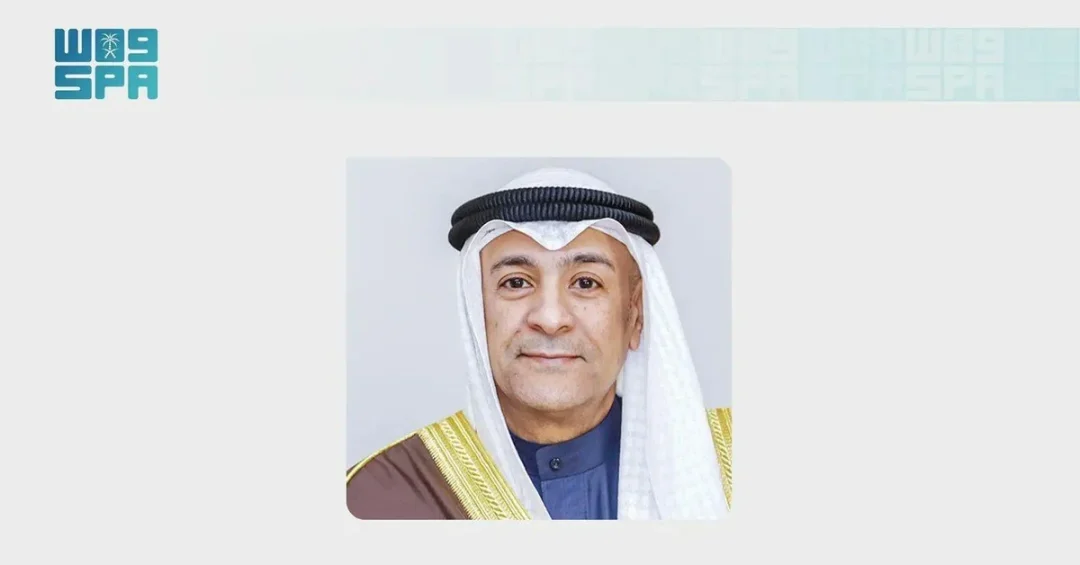
GCC Secretary General Jasem Mohamed Albudaiwi has called for immediate international accountability against Iranian attacks on Gulf states and Houthi threats to close the Bab Al-Mandab Strait. Speaking at the UN Security Council, Albudaiwi emphasized the need to uphold international law, protect navigation freedom, and secure critical energy infrastructure.
Context and Background
The remarks were made during the UN Security Council High-Level Open Debate on natural resource governance. The GCC states, holding 30% of global oil reserves and 20% of natural gas reserves, play a pivotal role in stabilizing global energy markets. Albudaiwi highlighted the GCC’s commitment to responsible resource governance as a foundation for peace and prosperity.
Key Details
Albudaiwi condemned Houthi militia threats to close the Bab Al-Mandab Strait, labeling them a violation of international law and a direct threat to global trade. He also criticized Iran’s destabilizing actions in the Strait of Hormuz, including targeting commercial vessels and planting naval mines, which undermine maritime security.
Implications and Impact
These threats jeopardize regional stability and global supply chains, affecting energy supplies and international trade. The GCC’s stance underscores the need for collective international action to safeguard strategic maritime passages and uphold the rules-based international order.
Vision 2030 Alignment
Saudi Arabia’s leadership in addressing these challenges aligns with Vision 2030’s goals of regional stability and economic diversification. By advocating for secure energy routes and international cooperation, the Kingdom reinforces its role as a reliable global partner in ensuring energy security and sustainable development.
20 Questions
Q1. What did GCC Secretary General Jasem Mohamed Albudaiwi emphasize in his UN speech?
A1. Albudaiwi stressed the need for international accountability against Iranian attacks and Houthi threats to close the Bab Al-Mandab Strait, urging respect for international law and navigation freedom.
Q2. Where was Albudaiwi’s speech delivered?
A2. He spoke at the UN Security Council High-Level Open Debate in New York, focusing on natural resource governance.
Q3. What percentage of global oil reserves do GCC states hold?
A3. GCC states hold nearly 30% of global oil reserves and 20% of natural gas reserves.
Q4. How do GCC states contribute to global energy markets?
A4. They provide about a quarter of global oil production, stabilizing energy markets during crises.
Q5. What did Albudaiwi condemn regarding the Houthi militia?
A5. He condemned their threats to close the Bab Al-Mandab Strait and false allegations against Saudi Arabia.
Q6. Why are Houthi threats significant?
A6. They violate international law and threaten global trade and energy supplies via a critical maritime passage.
Q7. What Iranian actions did Albudaiwi criticize?
A7. He cited targeting commercial vessels, planting naval mines, and threatening to close the Strait of Hormuz.
Q8. How do Iran’s actions affect maritime security?
A8. They undermine confidence in the security of the Strait of Hormuz, a vital global shipping route.
Q9. What is the broader impact of these threats?
A9. They destabilize the region and disrupt global supply chains, affecting trade and energy flows.
Q10. What international response did Albudaiwi advocate for?
A10. He called for a firm international stance to protect navigation freedom and critical infrastructure.
Q11. How does this align with Saudi Arabia’s Vision 2030?
A11. It supports Vision 2030’s goals of regional stability, economic diversification, and global energy security.
Q12. What role does Saudi Arabia play in energy security?
A12. The Kingdom is a reliable energy partner, advocating for secure supply routes and international cooperation.
Q13. What was the theme of the UN debate Albudaiwi attended?
A13. The debate focused on natural resource governance as a foundation for peace, security, and prosperity.
Q14. How do GCC policies support resource governance?
A14. They prioritize responsible management of natural resources as a pillar of national and collective policies.
Q15. What are the strategic implications of securing the Bab Al-Mandab Strait?
A15. It ensures uninterrupted global trade and energy supplies, vital for economic stability.
Q16. How does Saudi Arabia contribute to maritime security?
A16. The Kingdom advocates for international law compliance and protects critical shipping lanes.
Q17. What is the significance of the Strait of Hormuz?
A17. It is a key maritime passage for global oil shipments, making its security crucial for energy markets.
Q18. How do GCC states address geopolitical volatility?
A18. They stabilize energy markets and promote cooperative security measures to mitigate risks.
Q19. What message did Albudaiwi convey to the international community?
A19. He urged collective action to address threats to navigation freedom and energy infrastructure.
Q20. How does this issue relate to global prosperity?
A20. Secure maritime routes and stable energy supplies are essential for global economic growth and development.
Reader Feedback
We value your thoughts. Please share your feedback on this article.
Your feedback helps us improve our coverage.