


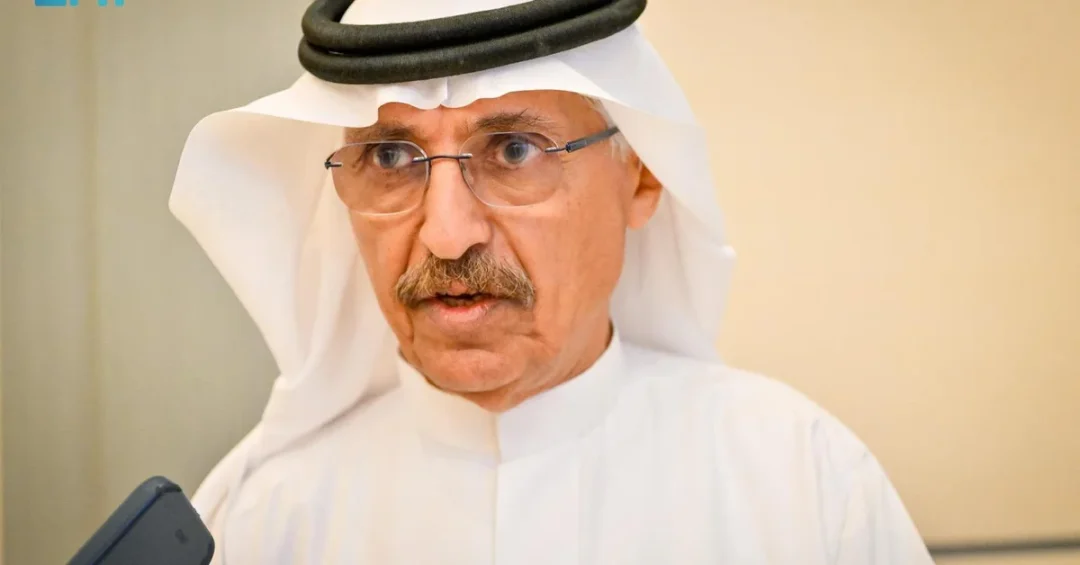
Dr. Abdulaziz Hamad Aluwaisheg, Assistant Secretary-General for Political and Negotiation Affairs of the Gulf Cooperation Council (GCC), has underscored Saudi Arabia’s pivotal role in launching the inaugural GCC-Central Asia Summit in Jeddah, highlighting the Kingdom’s commitment to deepening strategic ties between the two regions. In a statement to the Saudi Press Agency (SPA) on the sidelines of a seminar at the GCC General Secretariat in Riyadh, Aluwaisheg outlined a joint action plan that spans political, security, and economic cooperation, as well as education, health, culture, youth, and sports.
Have you considered how a partnership between the Gulf and Central Asia could reshape regional dynamics? The Jeddah summit, a landmark event, brought together leaders from both regions to forge a unified approach to shared challenges. Despite the absence of direct land or sea transport links, trade volume has surged tenfold over the past eight years, with growing investments in energy and infrastructure—priority areas for Central Asian countries. This remarkable growth reflects the effectiveness of the joint action plan and the mutual commitment to overcoming geographical barriers through strategic collaboration. Saudi Arabia, as the host of the summit and a leading GCC member, has demonstrated its capacity to convene diverse stakeholders and drive meaningful progress on political and economic fronts.
Context and Background
Why has the GCC-Central Asia partnership gained such momentum in recent years? The inaugural GCC-Central Asia Summit in Jeddah marked a new chapter in relations between the Gulf and Central Asia, building on centuries of historical and cultural ties. The joint action plan agreed upon at the summit covers a wide spectrum of cooperation, from political and security coordination to economic diversification and cultural exchange. Dr. Aluwaisheg’s remarks to SPA, made during a seminar at the GCC General Secretariat in Riyadh, reflect the seriousness with which both regions approach this partnership. The GCC, comprising Bahrain, Kuwait, Oman, Qatar, Saudi Arabia, and the United Arab Emirates, has increasingly looked eastward to strengthen ties with Central Asian nations, recognizing the strategic importance of the region’s energy resources and emerging markets.
Central Asia, comprising Kazakhstan, Kyrgyzstan, Tajikistan, Turkmenistan, and Uzbekistan, shares common interests with the GCC in stability, economic development, and cultural heritage. The absence of direct transport links has not hindered progress; instead, it has spurred innovation in logistics and trade routes. Saudi Arabia’s Vision 2030, with its emphasis on economic diversification and global engagement, aligns seamlessly with the goals of this partnership. The Kingdom’s leadership in hosting the summit and facilitating dialogue underscores its role as a bridge between regions. As the partnership evolves, it promises to unlock new opportunities for investment, trade, and people-to-people exchanges, further integrating the two regions into a network of shared prosperity.
Key Details of the Joint Action Plan
What does the joint action plan entail for the GCC and Central Asia? According to Dr. Aluwaisheg, the plan encompasses political, security, and economic cooperation, alongside collaboration in education, health, culture, youth, and sports. This comprehensive framework addresses both traditional and non-traditional areas of mutual interest. Trade volume has increased tenfold in eight years, a testament to the growing economic synergy. Investments are flowing into energy and infrastructure, sectors that are vital for Central Asian economies seeking modernization and for Gulf states diversifying their portfolios. The plan also includes provisions for regular consultations and joint initiatives to tackle regional challenges, such as terrorism, extremism, and climate change.
The seminar at the GCC General Secretariat in Riyadh served as a platform to review progress and chart the way forward. Dr. Aluwaisheg emphasized Saudi Arabia’s pivotal contribution, noting that the Kingdom’s commitment to enhancing collaboration is unwavering. The joint action plan is not merely a document; it is a roadmap for tangible outcomes. For instance, educational exchanges and cultural programs are already fostering greater understanding between peoples. Health cooperation, including joint research and pandemic preparedness, is another critical pillar. Youth and sports initiatives are building bridges for future generations. These efforts collectively aim to create a resilient and diversified partnership that can withstand geopolitical shifts and economic uncertainties.
International and Regional Impact
How does this partnership influence the broader geopolitical landscape? The GCC-Central Asia alliance carries significant implications for regional stability and global trade. By strengthening ties, both regions can present a united front on issues such as energy security, counterterrorism, and sustainable development. For Central Asia, the partnership offers access to Gulf investment and expertise, aiding in infrastructure modernization and economic diversification. For the GCC, it opens new markets and sources of energy, reducing dependency on traditional partners. The collaboration also complements other regional initiatives, such as China’s Belt and Road Initiative, by providing alternative routes and partnerships.
On the international stage, the partnership enhances the voice of both regions in global forums. It aligns with Saudi Arabia’s Vision 2030, which seeks to position the Kingdom as a hub connecting Asia, Europe, and Africa. The Jeddah summit and subsequent actions demonstrate that the GCC is not only a regional bloc but also a proactive global player. The absence of direct transport links has been mitigated by air corridors and digital connectivity, facilitating trade and communication. As the partnership matures, it could serve as a model for other regions seeking to overcome geographical barriers through strategic cooperation. The international community has taken note, with observers praising the pragmatic and forward-looking approach of both regions.
Economic and Strategic Significance
What economic benefits are emerging from this cooperation? The tenfold increase in trade volume over eight years is a clear indicator of the economic potential. Gulf investments in Central Asian energy and infrastructure are creating jobs and driving growth. In turn, Central Asian nations provide the GCC with access to valuable resources and new markets. The joint action plan includes measures to facilitate trade, such as simplifying customs procedures and enhancing digital payment systems. These efforts are expected to further boost economic ties. Strategic cooperation in security and politics also has economic underpinnings, as stability is a prerequisite for investment and development.
Saudi Arabia’s role in this partnership is particularly significant. As the world’s largest oil exporter and a key player in global energy markets, the Kingdom’s involvement lends credibility and weight to the initiative. Saudi Aramco and other Gulf companies are exploring opportunities in Central Asia’s energy sector, while Central Asian firms are investing in Gulf real estate and tourism. The partnership also aligns with the Kingdom’s efforts to diversify its economy away from oil, as outlined in Vision 2030. By fostering ties with Central Asia, Saudi Arabia is expanding its non-oil trade and investment footprint. The strategic significance extends beyond economics; it is about building a network of allies who share common values and interests.
Vision 2030 Alignment
How does this partnership reflect Saudi Arabia’s Vision 2030? Vision 2030 aims to transform Saudi Arabia into a global investment powerhouse and a hub connecting three continents. The GCC-Central Asia partnership is a concrete manifestation of this vision, showcasing the Kingdom’s ability to lead regional diplomacy and economic integration. By hosting the inaugural summit in Jeddah and driving the joint action plan, Saudi Arabia is positioning itself as a catalyst for cooperation. The focus on education, health, culture, youth, and sports also aligns with Vision 2030’s quality-of-life programs, which seek to enhance the well-being of citizens and foster international exchanges.
Moreover, the partnership supports Vision 2030’s economic diversification goals by opening new avenues for trade and investment. Saudi Arabia’s leadership in the GCC and its outreach to Central Asia demonstrate a forward-looking foreign policy that prioritizes mutual prosperity. As the partnership progresses, it will contribute to the Kingdom’s broader objectives of regional stability and global engagement. The Jeddah summit and the ongoing work of the GCC General Secretariat underscore Saudi Arabia’s commitment to building bridges and creating opportunities. In a world of shifting alliances, this partnership stands as a testament to the power of strategic collaboration and shared vision.
20 Questions
Q1. What was the significance of the inaugural GCC-Central Asia Summit?
A1. The summit, held in Jeddah, marked the first formal gathering of leaders from the Gulf Cooperation Council and Central Asian nations, establishing a joint action plan for political, security, and economic cooperation.
Q2. Who is Dr. Abdulaziz Hamad Aluwaisheg?
A2. Dr. Abdulaziz Hamad Aluwaisheg is the Assistant Secretary-General for Political and Negotiation Affairs of the Gulf Cooperation Council, responsible for overseeing political dialogue and negotiations.
Q3. What areas does the joint action plan cover?
A3. The plan covers political, security, and economic cooperation, as well as education, health, culture, youth, and sports, providing a comprehensive framework for collaboration.
Q4. How has trade volume changed between the GCC and Central Asia?
A4. Trade volume has surged tenfold in the past eight years, reflecting growing economic ties and mutual investment in key sectors such as energy and infrastructure.
Q5. What challenges do the regions face without direct transport links?
A5. The lack of direct land or sea transport links has been mitigated by air corridors and digital connectivity, enabling trade and communication to flourish despite geographical barriers.
Q6. Which countries are part of the GCC?
A6. The GCC comprises Bahrain, Kuwait, Oman, Qatar, Saudi Arabia, and the United Arab Emirates, working together on political, economic, and security issues.
Q7. Which countries are considered Central Asian in this partnership?
A7. Central Asian nations include Kazakhstan, Kyrgyzstan, Tajikistan, Turkmenistan, and Uzbekistan, all of which are participating in the partnership.
Q8. What role did Saudi Arabia play in the summit?
A8. Saudi Arabia hosted the summit in Jeddah and played a pivotal role in facilitating dialogue and agreement on the joint action plan, demonstrating its leadership in the region.
Q9. What are the priority areas for Central Asian countries?
A9. Central Asian countries prioritize investments in energy and infrastructure, sectors that are crucial for their economic modernization and development.
Q10. How does this partnership align with Saudi Vision 2030?
A10. The partnership aligns with Vision 2030 by promoting economic diversification, global engagement, and quality-of-life improvements through international cooperation and investment.
Q11. What is the expected impact on regional stability?
A11. The partnership is expected to enhance regional stability by fostering political dialogue, security cooperation, and economic interdependence, reducing the likelihood of conflicts.
Q12. How will cultural exchanges benefit both regions?
A12. Cultural exchanges will promote mutual understanding, preserve heritage, and strengthen people-to-people ties, enriching the social fabric of both regions.
Q13. What opportunities does the partnership offer for youth?
A13. The partnership includes youth initiatives that provide opportunities for education, training, and sports, empowering the next generation to contribute to regional development.
Q14. How does the partnership address security challenges?
A14. Through joint efforts in counterterrorism, intelligence sharing, and capacity building, the partnership aims to address common security challenges and ensure a safe environment.
Q15. What investments are being made in energy?
A15. Gulf countries are investing in Central Asia’s energy sector, including oil, gas, and renewable energy projects, while Central Asian nations benefit from Gulf expertise and capital.
Q16. How does the partnership facilitate trade?
A16. The partnership includes measures to simplify customs procedures, enhance digital payments, and improve logistics, making trade more efficient and cost-effective.
Q17. What is the role of the GCC General Secretariat?
A17. The GCC General Secretariat, based in Riyadh, coordinates the implementation of the joint action plan and organizes seminars and meetings to monitor progress.
Q18. How does the partnership complement other regional initiatives?
A18. It complements initiatives like China’s Belt and Road by providing alternative routes and partnerships, enhancing connectivity and economic integration across Asia.
Q19. What are the long-term goals of the GCC-Central Asia partnership?
A19. The long-term goals include sustainable economic growth, regional stability, and a robust framework for cooperation that benefits both regions and their peoples.
Q20. How can other regions learn from this partnership?
A20. Other regions can learn from the pragmatic approach of overcoming geographical barriers through dialogue, joint planning, and a focus on mutual interests, serving as a model for interregional cooperation.
Reader Feedback
We value your thoughts. Please share your feedback on this article.
Your feedback helps us improve our coverage.
Related articles
 Saudi Arabia Weather Forecast for Tuesday: Rain and Winds
 Interior Ministry Warns Expatriates of SAR50,000 Fine for Visa Overstays
 Global Content Creators Meet in AlUla for MENA’s First Instagram Creators Summit
 Saudi Arabia Localizes 41 Tourism Professions
 Shura Council Speaker Receives Algerian Ambassador
 4.8-Magnitude Earthquake Strikes Peru, No Damage Reported