


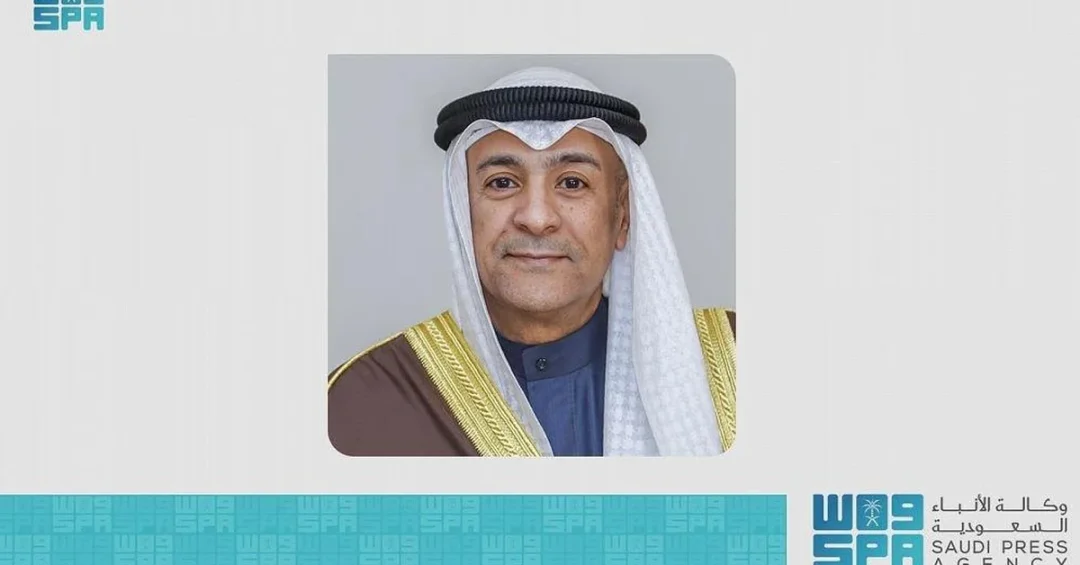
The Secretary General of the Gulf Cooperation Council (GCC), Jassem Mohamed Albudaiwi, reaffirmed the GCC member states’ firm and absolute support for the Palestinian people in their just struggle to attain their legitimate rights. The statement was made during his address at the Fifth Plenary Meeting of the Fourth Term of the Third Legislative Session of the Arab Parliament (AP), held at the headquarters of the Secretariat General of the Arab League in Cairo on July 13, 2024, as reported by the Saudi Press Agency (SPA).
Context and Background
The Arab Parliament, a consultative body affiliated with the Arab League, convenes regularly to foster cooperation among Arab nations. This meeting occurred amid significant regional challenges, most notably the ongoing Palestinian cause, which Albudaiwi described as the central and primary Arab priority. He emphasized that the GCC’s unwavering positions on Palestine have been consistent since its establishment, reflecting the collective stance of its member states.
Key Details
In his speech, Albudaiwi commended the Arab Parliament’s efforts to promote Arab cooperation and collective action for a prosperous and sustainable future. He highlighted the tragic situation of the Palestinian people, condemning the continuing crimes and violations by the Israeli occupation forces in Gaza and other Palestinian territories. He stated that these actions are not only violations of human rights and international laws but also a blatant challenge to all human values and principles.
Albudaiwi pointed to the Israeli occupation forces’ use of excessive and indiscriminate force against besieged civilian populations as the fundamental cause of continuing destabilization in the region. He reiterated the GCC’s repeated calls upon the international community to adopt effective policies and measures to ensure an immediate cease-fire, de-escalate violence against Palestinians in Gaza and the West Bank, including Al-Quds and the holy Islamic sites, and stop settlement activities and land confiscation.
Furthermore, he underscored the GCC’s support for the Palestinian people’s right to self-determination and the establishment of their independent state within the 1967 borders, with East Al-Quds as its capital, in accordance with the Arab Peace Initiative and all relevant international resolutions. Albudaiwi also explained that the GCC General Secretariat’s cooperation with the Arab Parliament and other Arab institutions stems from its deep belief that unity and solidarity among Arab states is the optimal path to achieve security, stability, and prosperity for Arab peoples.
Implications and Impact
The reaffirmation of the GCC’s position at the Arab Parliament meeting underscores the importance of Arab solidarity in addressing regional challenges. It reinforces the GCC’s role in coordinating diplomatic efforts to support the Palestinian cause on international platforms. Such unified stances are crucial for presenting a common Arab front in international forums and advocating for peaceful resolutions based on established international frameworks. This meeting also highlights the ongoing collaboration between the GCC and the Arab Parliament, strengthening the institutional ties that underpin Arab collective action.
Vision 2030 Alignment
Saudi Arabia’s leadership within the GCC, in line with Vision 2030, emphasizes the Kingdom’s commitment to regional stability and justice. By supporting the Palestinian people’s legitimate rights, Saudi Arabia underscores its dedication to upholding international law and promoting peace, which are essential for the prosperity and security of the region. This stance aligns with Vision 2030’s aim to foster a stable and cooperative Middle East, where all peoples can achieve their aspirations and contribute to a thriving global community.
20 Questions
Q1. What did Albudaiwi emphasize regarding the Palestinian cause during the Arab Parliament meeting?
A1. He emphasized that the Palestinian cause is the central and primary Arab priority, and that the GCC’s support for the Palestinian people’s legitimate rights is firm and absolute. This reflects the GCC’s consistent position since its establishment.
Q2. Where and when was the Fifth Plenary Meeting of the Fourth Term of the Third Legislative Session of the Arab Parliament held?
A2. The meeting was held at the headquarters of the Secretariat General of the Arab League in Cairo on July 13, 2024. It brought together representatives to discuss Arab cooperation and collective action.
Q3. How did Albudaiwi describe the situation of the Palestinian people under the Israeli occupation?
A3. He described it as a tragic situation marked by continuing crimes and violations by Israeli occupation forces in Gaza and other Palestinian territories, calling it a deep wound in the heart of every Arab and Muslim.
Q4. What actions did Albudaiwi say the GCC has repeatedly called upon the international community to take?
A4. The GCC has called for an immediate cease-fire, de-escalation of violence, cessation of settlement activities and land confiscation, and support for the Palestinian people’s right to self-determination and establishment of their independent state within the 1967 borders.
Q5. According to Albudaiwi, what is the fundamental cause of continuing destabilization in the region?
A5. He cited the Israeli occupation forces’ use of excessive and indiscriminate force against besieged civilian populations as the fundamental cause of ongoing regional destabilization. This underscores the need for international intervention.
Q6. What role did Albudaiwi attribute to the Arab Parliament in his speech?
A6. He commended the Arab Parliament for its efforts to promote Arab cooperation and collective action, with the aim of achieving a prosperous and sustainable future for the Arab world. He acknowledged its important consultative role.
Q7. How does the GCC’s stance on Palestine align with international resolutions?
A7. The GCC’s stance aligns with the Arab Peace Initiative and all relevant international resolutions, advocating for a two-state solution with East Al-Quds as the capital of an independent Palestinian state based on the 1967 borders.
Q8. What did Albudaiwi say about the cooperation between the GCC and the Arab Parliament?
A8. He explained that cooperation stems from a deep belief that unity and solidarity among Arab states is the optimal path to achieve security, stability, and prosperity for Arab peoples. This reflects strategic Arab coordination.
Q9. Why is the Palestinian cause considered a central priority for the GCC?
A9. The Palestinian cause has consistently been a central priority due to the GCC’s clear and unwavering positions since its establishment, rooted in Arab solidarity and the pursuit of justice for the Palestinian people.
Q10. What specific violations did Albudaiwi highlight in his address?
A10. He highlighted continuing crimes and violations by Israeli occupation forces in Gaza and other Palestinian territories, which he said violate human rights and international laws and challenge all human values and principles.
Q11. What does the GCC seek for the Palestinian people in terms of self-determination?
A11. The GCC supports the Palestinian people’s right to self-determination and the establishment of their independent state within the 1967 borders, with East Al-Quds as its capital, in accordance with international legitimacy.
Q12. How does Albudaiwi’s speech reflect Arab unity?
A12. His speech reflects Arab unity by emphasizing collective action and solidarity among Arab states through institutions like the GCC and the Arab Parliament, aiming to address common challenges and achieve shared goals.
Q13. What is the significance of the Arab Parliament meeting in Cairo for the Palestinian cause?
A13. The meeting provided a platform for Arab leaders to reaffirm their support for the Palestinian cause and coordinate efforts to address the humanitarian crisis, highlighting the importance of joint Arab action in international advocacy.
Q14. What does the GCC hope to achieve by calling for a cease-fire?
A14. The GCC aims to halt the violence, protect civilian lives, and create conditions for a lasting peace that respects the rights of the Palestinian people, in line with international humanitarian law.
Q15. How does the GCC’s position on Palestine reflect its broader foreign policy?
A15. The GCC’s position reflects its commitment to justice, stability, and adherence to international law, which are core principles of its foreign policy aimed at fostering a peaceful and cooperative regional order.
Q16. What role does the Arab League play in supporting the Palestinian cause?
A16. The Arab League provides a diplomatic platform for Arab states to coordinate positions and advocate for Palestinian rights on the international stage, reinforcing collective Arab support through its affiliated bodies like the Arab Parliament.
Q17. What are the key elements of the Arab Peace Initiative regarding Palestine?
A17. The Arab Peace Initiative calls for a comprehensive peace agreement, including the establishment of an independent Palestinian state within the 1967 borders with East Al-Quds as its capital, and a just resolution for Palestinian refugees.
Q18. How can the international community support the GCC’s calls for de-escalation?
A18. The international community can support by exerting diplomatic pressure, facilitating humanitarian aid, and upholding international law to ensure the protection of civilians and the resumption of peace negotiations.
Q19. What is the GCC’s vision for a prosperous and sustainable future in the Arab world?
A19. The GCC envisions a future based on unity, stability, and prosperity for all Arab peoples, achieved through collective action, economic cooperation, and peaceful resolution of conflicts, including the Palestinian issue.
Q20. How does Saudi Arabia’s leadership within the GCC contribute to the Palestinian cause?
A20. Saudi Arabia’s leadership within the GCC helps unify Arab positions and advocate for Palestinian rights on global platforms, aligning with its Vision 2030 goals of promoting regional stability and justice.
Reader Feedback
We value your thoughts. Please share your feedback on this article.
Your feedback helps us improve our coverage.