


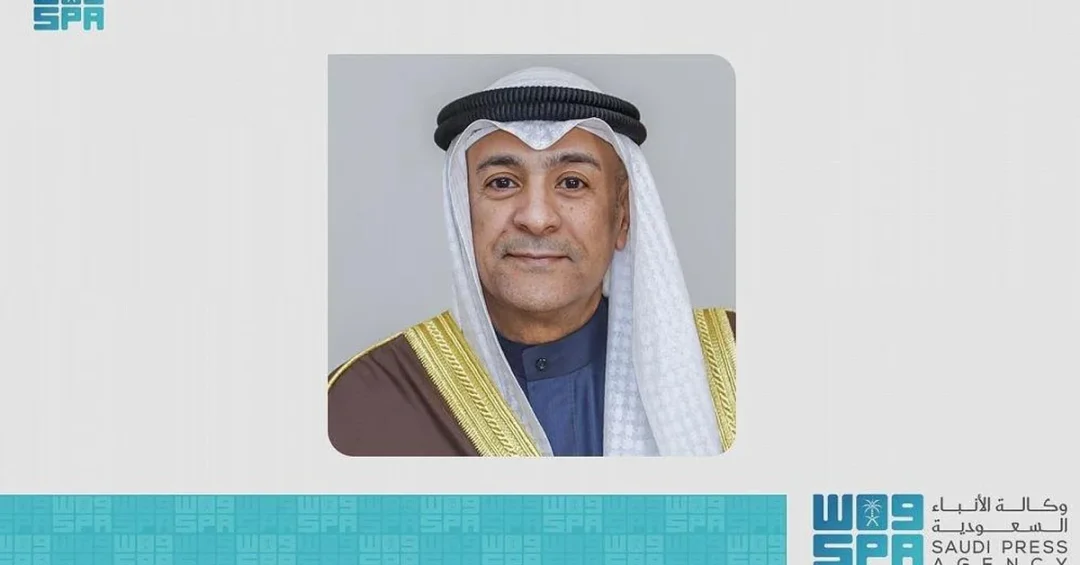
Riyadh, July 14, 2024 — The Secretary General of the Gulf Cooperation Council (GCC), Jasem Mohamed Albudaiwi, strongly condemned the brutal bombardment by Israeli occupation forces on the Al Mawasi area in Khan Yunis, Gaza Strip, describing the attack as evidence of a series of systematic and ongoing Israeli crimes against the Palestinian people. In a statement released via the Saudi Press Agency (SPA), Albudaiwi emphasized that the continued aggression requires immediate international action to halt violations and ensure accountability.
Context and Background
The GCC, comprising Bahrain, Kuwait, Oman, Qatar, Saudi Arabia, and the United Arab Emirates, has consistently advocated for the Palestinian cause as a central issue for Arabs and Muslims. The Al Mawasi area, previously designated as a humanitarian zone, has seen repeated Israeli strikes, raising concerns over civilian safety and international law compliance. This condemnation aligns with previous GCC statements urging respect for humanitarian principles and the protection of non-combatants in conflict zones.
Historically, GCC states have supported a two-state solution based on the Arab Peace Initiative, which calls for an independent Palestinian state within the June 4, 1967 borders, with East Jerusalem as its capital. The ongoing violence in Gaza, including the Al Mawasi bombardment, underscores the urgent need for renewed diplomatic efforts to achieve lasting peace and stability in the region.
Key Details
In his statement, Albudaiwi stressed that Israeli occupation forces have exceeded all legal, humanitarian, and moral boundaries through their actions against defenceless Palestinians. He called on the international community to assume its responsibilities, stop these violations, and hold perpetrators accountable. The GCC Secretary General reiterated the steadfast position of GCC states in supporting the Palestinian cause, emphasizing that it remains the primary issue for Arabs and Muslims.
The attack on Al Mawasi is part of a broader pattern of Israeli military operations in Gaza, which have drawn widespread international criticism. GCC officials have repeatedly highlighted the disproportionate use of force and its impact on civilians, including women and children. Albudaiwi’s remarks echo similar condemnations from other GCC leaders, reflecting a unified stance against violations of international law.
Furthermore, the GCC has called for enhanced coordination among member states to address the humanitarian crisis in Gaza, including providing aid and facilitating diplomatic initiatives. The council has also urged the United Nations and other international bodies to take decisive action to protect Palestinian civilians and revive the peace process.
Implications and Impact
The GCC’s condemnation of Israeli actions carries significant weight, as member states play a crucial role in regional diplomacy and global energy markets. Their unified position can influence international discourse and pressure key actors to reconsider their policies. The statement also reinforces the GCC’s commitment to multilateralism and the rule of law, aligning with global efforts to uphold human rights and justice.
For the international community, the GCC’s call for accountability highlights the need for impartial investigations into alleged war crimes and violations of international humanitarian law. It also serves as a reminder of the urgency to address the root causes of the conflict, including the occupation and lack of a viable Palestinian state. The GCC’s stance may encourage other nations to adopt similar positions, fostering a more coordinated response to the crisis.
On a regional level, the condemnation could impact ongoing normalization efforts and diplomatic engagements. While some Arab states have pursued ties with Israel, the GCC’s firm support for Palestine underscores the centrality of the Palestinian issue in Arab foreign policy. This balance between diplomacy and principle remains a key dynamic in Middle Eastern geopolitics.
Vision 2030 Alignment
Saudi Arabia’s Vision 2030 emphasizes the Kingdom’s role as a global leader in promoting peace, stability, and sustainable development. Under the leadership of Custodian of the Two Holy Mosques King Salman bin Abdulaziz Al Saud and Crown Prince Mohammed bin Salman, Saudi Arabia has consistently advocated for Palestinian rights and a just resolution to the conflict. The GCC’s condemnation of Israeli actions aligns with Vision 2030’s principles of justice, human dignity, and international cooperation.
By supporting the Palestinian cause, Saudi Arabia reinforces its commitment to Arab and Islamic solidarity, which is integral to its foreign policy and regional leadership. Vision 2030 also seeks to enhance Saudi Arabia’s global influence through active diplomacy and humanitarian aid, further solidifying its position as a beacon of stability and progress in the Middle East.
20 Questions
Q1. What did the GCC Secretary General condemn?
A1. Jasem Mohamed Albudaiwi condemned the brutal bombardment by Israeli occupation forces on the Al Mawasi area in Khan Yunis, Gaza Strip, calling it evidence of systematic and ongoing Israeli crimes against the Palestinian people.
Q2. When and where was the statement released?
A2. The statement was released on July 14, 2024, in Riyadh, via the Saudi Press Agency (SPA), reflecting the GCC’s official position on the Al Mawasi attack.
Q3. What is the GCC’s stance on the Palestinian cause?
A3. The GCC states view the Palestinian cause as the central and primary issue for Arabs and Muslims, supporting an independent Palestinian state within the June 4, 1967 borders with East Jerusalem as its capital.
Q4. How did Albudaiwi describe Israeli actions?
A4. He stated that Israeli occupation forces have become unrecognized by any principles, laws, or treaties, whether legal, humanitarian, or moral, due to their crimes against defenceless Palestinians.
Q5. What did Albudaiwi call on the international community to do?
A5. He urged the international community to immediately assume its responsibilities to stop Israeli violations and hold the perpetrators accountable for their heinous crimes against innocent people.
Q6. What is the Arab Peace Initiative?
A6. The Arab Peace Initiative is a proposal endorsed by Arab states calling for an independent Palestinian state within the June 4, 1967 borders, with East Jerusalem as its capital, in exchange for normalized relations with Israel.
Q7. Which countries are members of the GCC?
A7. The GCC comprises Bahrain, Kuwait, Oman, Qatar, Saudi Arabia, and the United Arab Emirates, working together on regional security, economic, and political issues.
Q8. What is the significance of the Al Mawasi area?
A8. Al Mawasi was previously designated as a humanitarian zone in Gaza, making the Israeli bombardment particularly concerning due to the potential impact on civilians seeking refuge there.
Q9. How has the international community responded to Israeli actions in Gaza?
A9. The international community has expressed widespread criticism, with many nations and organizations calling for ceasefires, investigations into war crimes, and increased humanitarian aid to Gaza.
Q10. What role does Saudi Arabia play in the GCC?
A10. As a founding member and host of the GCC headquarters, Saudi Arabia plays a leading role in shaping the council’s policies, including its strong advocacy for the Palestinian cause and regional stability.
Q11. What is Vision 2030’s connection to the Palestinian issue?
A11. Vision 2030 emphasizes Saudi Arabia’s commitment to global peace and justice, aligning with the Kingdom’s support for Palestinian rights and a just resolution to the conflict.
Q12. How might the GCC’s condemnation affect regional diplomacy?
A12. The unified GCC stance can influence international discourse, pressure key actors, and reinforce the centrality of the Palestinian issue in Arab foreign policy, potentially impacting normalization efforts.
Q13. What legal basis does the GCC cite for its position?
A13. The GCC cites international legitimacy, including UN resolutions and the Arab Peace Initiative, as the legal foundation for a two-state solution and Palestinian statehood.
Q14. What humanitarian concerns arise from the Al Mawasi attack?
A14. The attack raises concerns over civilian casualties, displacement, and violations of international humanitarian law, as Al Mawasi was a designated safe zone for displaced Palestinians.
Q15. How does the GCC support the Palestinian people?
A15. The GCC provides diplomatic support, humanitarian aid, and political advocacy at international forums, consistently calling for an end to occupation and the establishment of a Palestinian state.
Q16. What is the expected outcome of Albudaiwi’s statement?
A16. The statement aims to mobilize international action, hold Israel accountable, and reaffirm the GCC’s unwavering support for the Palestinian cause, potentially leading to increased diplomatic pressure.
Q17. Who is Jasem Mohamed Albudaiwi?
A17. Jasem Mohamed Albudaiwi is the Secretary General of the Gulf Cooperation Council, representing the council’s unified positions on regional and international issues, including the Palestinian cause.
Q18. How does the GCC’s stance align with international law?
A18. The GCC’s stance aligns with international law, including UN resolutions and the Fourth Geneva Convention, which prohibit attacks on civilians and occupied territories.
Q19. What future actions might the GCC take?
A19. The GCC may intensify diplomatic efforts, coordinate humanitarian aid, and push for UN action to protect Palestinian civilians and revive the peace process based on the Arab Peace Initiative.
Q20. Why is this statement significant for Saudi Arabia?
A20. It reinforces Saudi Arabia’s leadership in the Arab and Islamic world, demonstrating its commitment to justice, peace, and the principles of Vision 2030 on the global stage.
Reader Feedback
We value your thoughts. Please share your feedback on this article.
Your feedback helps us improve our coverage.