


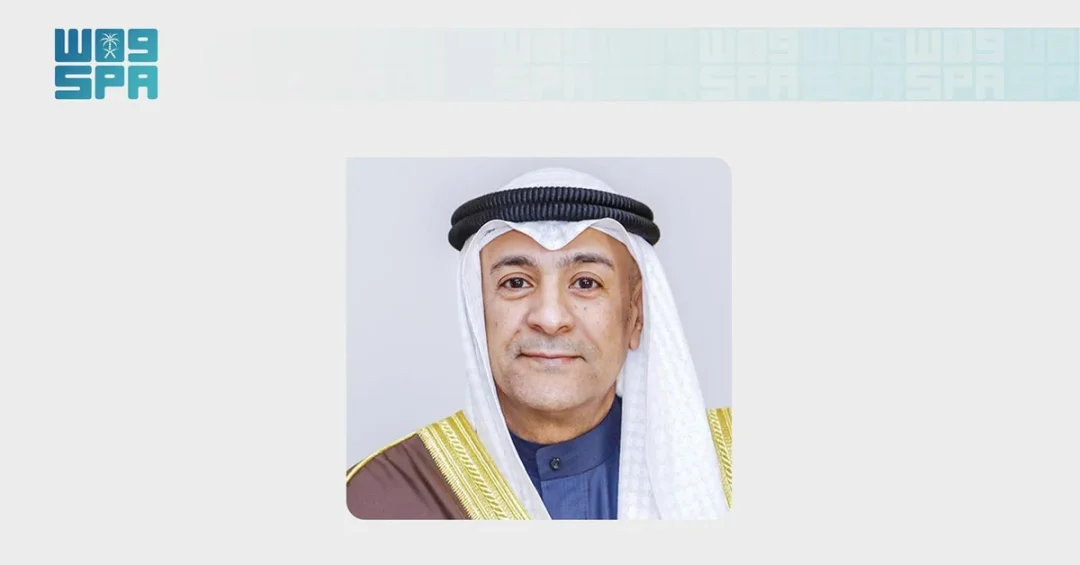
Riyadh — The Secretary-General of the Gulf Cooperation Council (GCC), Jassem Mohamed Albudaiwi, strongly condemned the Colombian government’s decision to recognize Israeli occupation forces’ sovereignty over the occupied Syrian Golan Heights, calling it a flagrant violation of international law and United Nations resolutions. In a statement released through official channels, Albudaiwi emphasized that the move contradicts the established international consensus that the Golan Heights is occupied Syrian Arab land, and warned that such recognitions undermine regional peace and security efforts.
Context and Background
The Golan Heights, a strategically significant plateau in southwestern Syria, has been under Israeli occupation since 1967. The international community, including the United Nations Security Council, has consistently affirmed through resolutions such as UNSC Resolution 497 (1981) that Israel’s annexation of the Golan is null and void under international law. The GCC, comprising Bahrain, Kuwait, Oman, Qatar, Saudi Arabia, and the United Arab Emirates, has long upheld a unified position supporting Syria’s sovereignty over the territory.
Colombia’s recent recognition of Israeli sovereignty marks a departure from its previous stance and from the broader international consensus. This development comes amid ongoing regional tensions and efforts to advance peace processes in the Middle East. The GCC’s swift response reflects its commitment to upholding international legitimacy and opposing unilateral actions that alter the status of occupied territories.
Key Details
Secretary-General Albudaiwi stated that any decision or recognition inconsistent with international facts and UN resolutions is unacceptable and detrimental to peace and security in the region. He called on the Colombian government to retract its invalid recognition and urged Israeli occupation forces to comply with international legitimacy resolutions and withdraw from all occupied Arab territories, including the Golan Heights.
Albudaiwi reiterated the GCC’s unwavering support for the Syrian Arab Republic, stressing the council’s solidarity with Syria in preserving its sovereignty, independence, unity, and territorial integrity, including the occupied Syrian Golan. He affirmed the GCC’s categorical rejection of any action or violation that undermines Syrian sovereignty or territorial integrity. The statement was carried by the Saudi Press Agency (WAS), underscoring the Kingdom’s role in amplifying the GCC’s position.
Implications and Impact
The GCC’s condemnation carries significant diplomatic weight, as it represents a unified stance among the six member states. It reinforces the principle that territorial acquisition by force is inadmissible under international law and highlights the council’s active role in regional diplomacy. For international audiences, this development underscores the importance of adhering to UN resolutions and the risks of unilateral recognitions that could destabilize peace efforts.
The statement also signals the GCC’s continued engagement in supporting Arab causes and its alignment with broader international legal frameworks. It may encourage other nations to reaffirm their commitment to international law and the two-state solution, promoting stability in the Middle East. Furthermore, it reflects Saudi Arabia’s leadership in championing multilateralism and regional security.
Vision 2030 Alignment
Saudi Arabia’s Vision 2030 emphasizes the Kingdom’s role as a global leader in diplomacy, economic diversification, and regional stability. By supporting the GCC’s position, Saudi Arabia reinforces its commitment to international law and peaceful conflict resolution, which are essential for attracting foreign investment and fostering sustainable development. The Kingdom’s proactive stance on such issues enhances its global standing and contributes to a more secure and prosperous region, aligning with Vision 2030’s goals of a vibrant society and an ambitious nation.
20 Questions
Q1. What did the GCC Secretary-General condemn regarding Colombia?
A1. Jassem Mohamed Albudaiwi condemned Colombia’s recognition of Israeli sovereignty over the occupied Syrian Golan Heights, stating it violates international law and UN resolutions that affirm the Golan as occupied Syrian territory.
Q2. What is the GCC’s position on the Golan Heights?
A2. The GCC firmly supports Syria’s sovereignty over the Golan Heights, viewing it as occupied Arab land. The council rejects any unilateral actions that alter its status and calls for Israeli withdrawal in line with international resolutions.
Q3. How did Albudaiwi describe Colombia’s decision?
A3. Albudaiwi described the decision as invalid and inconsistent with international facts and UN resolutions. He urged Colombia to retract the recognition and stressed that such actions negatively impact regional peace and security efforts.
Q4. What international resolutions affirm the Golan as occupied Syrian territory?
A4. United Nations Security Council Resolution 497 (1981) declares Israel’s annexation of the Golan null and void. Other UN resolutions consistently reaffirm the applicability of the Fourth Geneva Convention to the occupied territory.
Q5. Which countries are members of the GCC?
A5. The GCC comprises Bahrain, Kuwait, Oman, Qatar, Saudi Arabia, and the United Arab Emirates. These nations coordinate on political, economic, and security issues to promote regional stability and cooperation.
Q6. Why is the GCC’s condemnation significant?
A6. It represents a unified diplomatic stance among six Arab states, reinforcing international law and opposing unilateral recognitions. This collective position amplifies the call for adherence to UN resolutions and supports regional peace efforts.
Q7. What did Albudaiwi urge Israel to do?
A7. He urged Israeli occupation forces to comply with international legitimacy resolutions and withdraw from all occupied Arab territories, including the Golan Heights, to achieve a just and comprehensive peace in the region.
Q8. How does this relate to Syria’s territorial integrity?
A8. The GCC reaffirmed its support for Syria’s sovereignty, independence, unity, and territorial integrity, including the Golan. It rejects any actions that undermine Syrian sovereignty or violate its territorial boundaries.
Q9. What role did the Saudi Press Agency play in this statement?
A9. The Saudi Press Agency (WAS) disseminated the GCC Secretary-General’s statement, highlighting Saudi Arabia’s role in communicating official positions and supporting Arab causes through reliable state media channels.
Q10. What are the implications for regional peace?
A10. The condemnation underscores the risks of unilateral recognitions that contravene international law. It encourages multilateral efforts to resolve conflicts and reinforces the importance of upholding UN resolutions for sustainable peace and security.
Q11. How does this align with Saudi Arabia’s foreign policy?
A11. Saudi Arabia supports international law and peaceful conflict resolution. By backing the GCC’s stance, the Kingdom reinforces its commitment to regional stability and its leadership in promoting multilateral diplomacy and Arab solidarity.
Q12. What could be the impact on Colombia-GCC relations?
A12. The GCC’s condemnation may prompt diplomatic dialogue between Colombia and GCC states, potentially leading to a reconsideration of the recognition. It highlights the importance of aligning foreign policies with international legal norms.
Q13. Why is the Golan Heights considered strategically important?
A13. The Golan Heights is a strategic plateau offering military and hydrological advantages. Its occupation since 1967 has been a point of contention, with international law demanding Israeli withdrawal to ensure regional stability.
Q14. What is the GCC’s historical stance on Arab territories?
A14. The GCC has consistently supported the sovereignty of Arab states over occupied territories, including Palestine and the Golan. It advocates for UN resolutions and opposes unilateral actions that alter demographics or legal status.
Q15. How does this statement reflect GCC unity?
A15. The statement demonstrates the GCC’s collective diplomatic approach, as all member states share a common position. This unity enhances the council’s credibility and effectiveness in addressing regional issues and promoting peace.
Q16. What does Albudaiwi say about international legitimacy?
A16. He emphasizes that decisions inconsistent with international legitimacy and UN resolutions are unacceptable. He calls for adherence to these frameworks to achieve peace, security, and stability in the Middle East.
Q17. How might this affect other countries’ recognition decisions?
A17. The GCC’s firm stance may deter other nations from similar recognitions, reinforcing the international consensus that the Golan is occupied Syrian territory. It promotes respect for international law and UN resolutions.
Q18. What is the significance of the date mentioned in the statement?
A18. The statement was issued on 28 Safar 1448 AH (11 August 2026), reflecting the GCC’s timely response to Colombia’s decision. It underscores the council’s proactive engagement in regional and international affairs.
Q19. How does this support Syria’s position?
A19. The GCC’s condemnation bolsters Syria’s claim to the Golan and its calls for Israeli withdrawal. It provides diplomatic backing and reinforces Syria’s sovereignty and territorial integrity under international law.
Q20. What is the broader message of the GCC’s statement?
A20. The statement reaffirms the primacy of international law, opposes unilateral actions, and calls for a just peace. It highlights the GCC’s role in promoting stability and supporting Arab causes in line with global legal norms.
Reader Feedback
We value your thoughts. Please share your feedback on this article.
Your feedback helps us improve our coverage.