


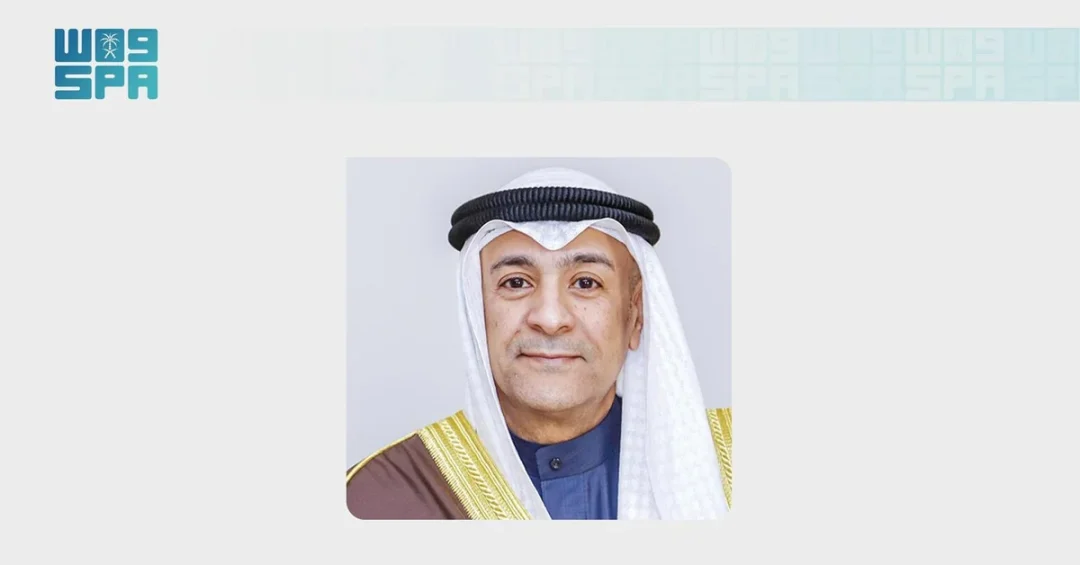
Riyadh, August 11, 2026 — The Secretary-General of the Gulf Cooperation Council (GCC), Jassem Mohamed Albudaiwi, has sharply condemned the Colombian government’s recognition of Israeli sovereignty over the occupied Syrian Golan Heights, stating that the decision contradicts all international laws and agreements affirming the Golan as occupied Syrian Arab territory. The statement, carried by the Saudi Press Agency (SPA), underscores the GCC’s firm rejection of any move that undermines Syria’s sovereignty and territorial integrity.
Context and Background
The Golan Heights, a strategically significant plateau in southwestern Syria, have been under Israeli occupation since 1967. The United Nations Security Council Resolution 497 of 1981 declared Israel’s annexation of the Golan null and void under international law. The GCC, a political and economic alliance of six Arab Gulf states, has consistently supported Syria’s claim to the territory and rejected unilateral actions that alter its status. Colombia’s recognition, announced earlier this week, marks a departure from the broad international consensus and has drawn criticism from multiple Arab and Islamic nations.
Key Details
In his statement, Albudaiwi emphasized that any decisions or declarations that do not align with international resolutions and United Nations mandates are unacceptable and undermine regional peace and security efforts. He reiterated the GCC’s unwavering position in support of the brotherly Syrian Arab Republic, affirming the council’s readiness to stand by Syria in defending its sovereignty, independence, unity, and territorial integrity, including the occupied Syrian Golan Heights. The GCC secretary-general also expressed categorical rejection of any actions or violations that could infringe upon Syria’s sovereignty or compromise its territorial unity. The statement was released via the Saudi Press Agency, the Kingdom’s official news outlet.
Implications and Impact
The Colombian government’s recognition of Israeli sovereignty over the Golan Heights is a unilateral move that diverges from the established international legal framework. It risks encouraging similar actions by other nations and could complicate ongoing diplomatic efforts to achieve a just and comprehensive peace in the Middle East. The GCC’s strong condemnation reflects the broader Arab and Islamic stance, which views such recognitions as violations of international law and obstacles to peace. Regional observers note that this development may strain Colombia’s relations with Arab states and potentially affect economic and diplomatic ties. The GCC’s firm response also signals its continued commitment to collective action in defending Arab rights and territorial integrity.
Vision 2030 Alignment
Saudi Arabia, under Vision 2030, remains dedicated to promoting regional stability, international law, and peaceful coexistence. The Kingdom’s leadership within the GCC on this issue aligns with its broader efforts to foster a secure and prosperous Middle East. By upholding the principles of sovereignty and territorial integrity, Saudi Arabia reinforces its role as a responsible global actor and a champion of justice, consistent with the Vision’s goals of enhancing diplomatic influence and contributing to global peace and security.
20 Questions
Q1. What did the GCC Secretary-General condemn?
A1. GCC Secretary-General Jassem Mohamed Albudaiwi condemned the Colombian government’s recognition of Israeli sovereignty over the occupied Syrian Golan Heights, stating it violates international laws and agreements.
Q2. When did the condemnation occur?
A2. The condemnation was issued on August 11, 2026, corresponding to 28 Safar 1448 AH, as reported by the Saudi Press Agency.
Q3. Who is the Secretary-General of the GCC?
A3. Jassem Mohamed Albudaiwi serves as the Secretary-General of the Gulf Cooperation Council, representing the six member states in regional and international affairs.
Q4. What is the GCC’s position on the Golan Heights?
A4. The GCC firmly supports Syria’s sovereignty over the Golan Heights, viewing it as occupied Syrian Arab territory and rejecting any recognition of Israeli sovereignty.
Q5. Why did Colombia recognize Israeli sovereignty?
A5. The specific reasons behind Colombia’s decision have not been officially detailed, but it marks a unilateral departure from the international consensus on the status of the Golan Heights.
Q6. What international law addresses the Golan Heights?
A6. UN Security Council Resolution 497 of 1981 declares Israel’s annexation of the Golan Heights null and void under international law, affirming it as Syrian territory.
Q7. How has the international community reacted?
A7. Many Arab and Islamic nations have criticized Colombia’s recognition, viewing it as a violation of international law and a threat to regional peace efforts.
Q8. What did Albudaiwi say about decisions contradicting international resolutions?
A8. He stated that any decisions or statements not aligned with international resolutions and UN mandates are unacceptable and undermine peace and security in the region.
Q9. What is the GCC’s stance on Syria’s territorial integrity?
A9. The GCC reaffirms its unwavering support for Syria’s sovereignty, independence, unity, and territorial integrity, including the occupied Golan Heights.
Q10. How does this affect GCC-Colombia relations?
A10. The recognition may strain diplomatic and economic ties between GCC states and Colombia, as it contradicts the council’s firm position on Arab territorial rights.
Q11. What role did the Saudi Press Agency play?
A11. The Saudi Press Agency (SPA) reported the GCC Secretary-General’s statement, serving as the official channel for Saudi and GCC news.
Q12. Is the Golan Heights recognized as Syrian territory by the UN?
A12. Yes, the United Nations and numerous international bodies recognize the Golan Heights as Syrian territory occupied by Israel since 1967.
Q13. What might be the consequences of Colombia’s move?
A13. It could encourage other nations to follow suit, complicate peace efforts, and isolate Colombia from Arab and Islamic countries that uphold international law.
Q14. How does this align with Saudi Vision 2030?
A14. Saudi Vision 2030 emphasizes regional stability and international law, and the Kingdom’s stance on the Golan aligns with its goal of promoting global peace and security.
Q15. What did Albudaiwi reiterate about the GCC’s support for Syria?
A15. He reiterated the GCC’s readiness to stand by Syria in defending its sovereignty and territorial integrity, and its categorical rejection of any violations.
Q16. Which countries are members of the GCC?
A16. The GCC comprises Saudi Arabia, the United Arab Emirates, Qatar, Kuwait, Bahrain, and Oman, working collectively on political, economic, and security issues.
Q17. Has the GCC made similar statements before?
A17. Yes, the GCC has consistently condemned actions that undermine Arab sovereignty, including previous statements on the Golan Heights and other occupied territories.
Q18. What is the significance of the Golan Heights?
A18. The Golan Heights is a strategic plateau with water resources and military importance, and its status remains a key issue in Arab-Israeli relations.
Q19. How can this situation be resolved?
A19. A resolution requires adherence to international law and UN resolutions, and a negotiated peace process that respects Syria’s sovereignty and territorial integrity.
Q20. What is Saudi Arabia’s role in this condemnation?
A20. As a leading GCC member, Saudi Arabia supports the council’s stance, reinforcing its commitment to international law and regional stability through official channels like the Saudi Press Agency.
Reader Feedback
We value your thoughts. Please share your feedback on this article.
Your feedback helps us improve our coverage.