


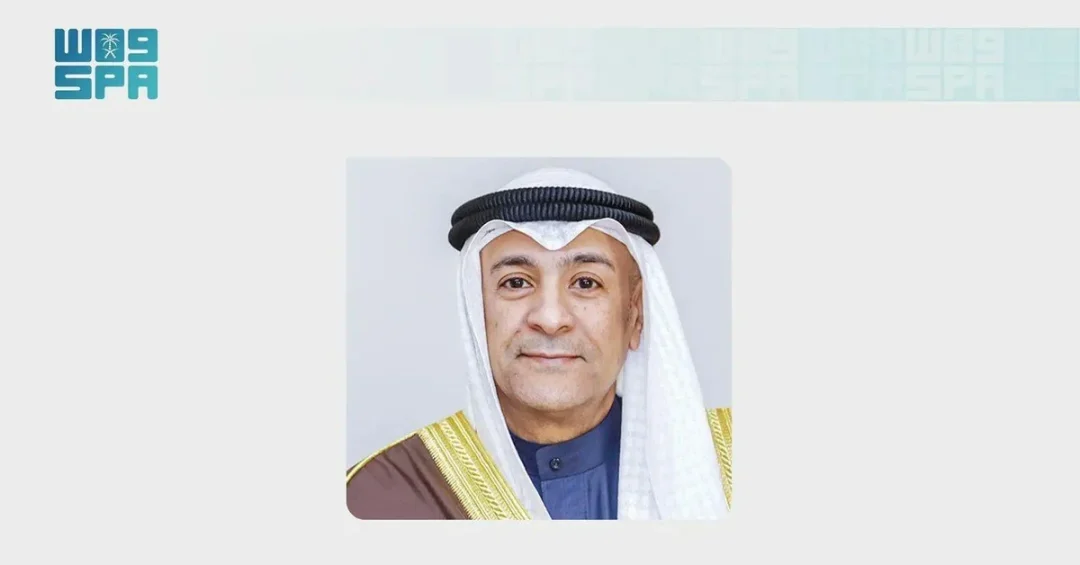
The Secretary-General of the Gulf Cooperation Council (GCC), Jasem AlBudaiwi, condemned in the strongest terms the Colombian government’s recognition of Israeli occupation forces’ sovereignty over the occupied Syrian Golan Heights, affirming that the move contradicts all international laws and treaties confirming the Golan is occupied Arab Syrian territory. The statement, released via the Saudi Press Agency (SPA) on August 11, 2026, reaffirmed the GCC’s unwavering position on Syria’s sovereignty and territorial integrity.
Context and Background
The Golan Heights, a strategic plateau in southwestern Syria, has been under Israeli occupation since 1967. International law, including United Nations Security Council Resolution 497 (1981), unequivocally states that Israel’s annexation of the Golan is null and void. The Gulf Cooperation Council (GCC)—comprising Bahrain, Kuwait, Oman, Qatar, Saudi Arabia, and the United Arab Emirates—has consistently supported Syria’s territorial integrity and rejected any unilateral measures altering the region’s status.
Colombia’s recent recognition of Israeli sovereignty over the Golan marks a departure from its traditionally balanced foreign policy. The GCC Secretary-General’s response underscores the council’s commitment to upholding international legitimacy and opposing actions that undermine regional stability.
Key Details
Jasem AlBudaiwi, Secretary-General of the GCC, stated that Colombia’s recognition is “contrary to all international laws and treaties” and called on the Colombian government to retract its decision. He emphasized that any recognition disregarding UN resolutions is unacceptable and hampers peace efforts. AlBudaiwi also urged Israel to comply with international legitimacy resolutions by withdrawing from all occupied Arab territories, including the Golan Heights.
AlBudaiwi reiterated the GCC states’ steadfast support for the Syrian Arab Republic in preserving its sovereignty, independence, unity, and territorial integrity. He affirmed their categorical rejection of any measures or violations that could undermine Syria’s sovereignty or territorial integrity.
Implications and Impact
The GCC’s condemnation carries significant diplomatic weight, reflecting the council’s role in promoting stability and adherence to international law in the Middle East. Colombia’s recognition, if unretracted, could set a precedent that emboldens other nations to challenge established international norms. The GCC’s firm stance serves as a reminder of the importance of multilateralism and respect for UN resolutions.
This development also highlights the GCC’s active engagement in regional affairs and its alignment with global efforts to uphold justice and peace. It underscores the council’s commitment to supporting Arab causes and maintaining the rules-based international order.
Vision 2030 Alignment
Saudi Arabia’s Vision 2030, under the leadership of Crown Prince Mohammed bin Salman, emphasizes the Kingdom’s role as a global leader in diplomacy and stability. The GCC’s condemnation of Colombia’s recognition aligns with Vision 2030’s objectives of fostering international partnerships, promoting peace, and upholding justice. By taking a principled stand, the GCC reinforces its commitment to a secure and prosperous region, contributing to the broader goals of sustainable development and global cooperation.
20 Questions
Q1. What did the GCC Secretary-General condemn?
A1. Jasem AlBudaiwi condemned Colombia’s recognition of Israeli sovereignty over the occupied Syrian Golan Heights, stating it violates international law and treaties that affirm the Golan as occupied Arab Syrian territory.
Q2. Who is the Secretary-General of the GCC?
A2. Jasem AlBudaiwi serves as the Secretary-General of the Gulf Cooperation Council, representing the six member states in diplomatic and administrative matters, including regional political statements.
Q3. Which countries are members of the GCC?
A3. The GCC comprises Bahrain, Kuwait, Oman, Qatar, Saudi Arabia, and the United Arab Emirates. These nations coordinate on economic, security, and political issues affecting the Gulf region.
Q4. Why is the Golan Heights significant?
A4. The Golan Heights is a strategic plateau occupied by Israel since 1967. International law considers it Syrian territory, and its status is central to Middle East peace negotiations.
Q5. What international law applies to the Golan Heights?
A5. UN Security Council Resolution 497 (1981) declares Israel’s annexation of the Golan null and void. Numerous other UN resolutions affirm the Golan as occupied Syrian territory.
Q6. What did AlBudaiwi urge Colombia to do?
A6. He urged the Colombian government to withdraw its recognition of Israeli sovereignty over the Golan, calling it invalid and contrary to international legitimacy and peace efforts.
Q7. How did AlBudaiwi describe Colombia’s recognition?
A7. He described it as contrary to all international laws and treaties, and unacceptable because it ignores established facts and UN resolutions regarding the Golan’s status.
Q8. What is the GCC’s position on Syria?
A8. The GCC supports Syria’s sovereignty, independence, unity, and territorial integrity, including the Golan Heights, and rejects any measures that undermine these principles.
Q9. What did AlBudaiwi say about Israel?
A9. He called on Israel to comply with international legitimacy resolutions by withdrawing from all occupied Arab territories, including the Golan Heights, to achieve regional peace.
Q10. When was the statement released?
A10. The statement was released on August 11, 2026, via the Saudi Press Agency (SPA), according to the official news report from Riyadh.
Q11. Why is this condemnation important?
A11. It reinforces the GCC’s commitment to international law and regional stability, and signals that unilateral recognitions contradicting UN resolutions are unacceptable and harmful to peace efforts.
Q12. How does this affect Colombia-GCC relations?
A12. The condemnation may strain diplomatic ties, as the GCC seeks to persuade Colombia to reverse its decision. It highlights the GCC’s proactive stance in defending Arab territorial rights.
Q13. What role does the Saudi Press Agency play?
A13. SPA is the official news agency of Saudi Arabia, disseminating government statements and news. It released the GCC Secretary-General’s condemnation, ensuring accurate and authoritative reporting.
Q14. What is the GCC’s historical stance on the Golan?
A14. The GCC has consistently rejected Israeli occupation and annexation of the Golan, supporting Syria’s claim and calling for implementation of UN resolutions for a just and comprehensive peace.
Q15. How does this relate to Vision 2030?
A15. Vision 2030 promotes Saudi Arabia’s global leadership and diplomatic engagement. The GCC’s principled stand aligns with these goals by fostering peace, stability, and respect for international law.
Q16. What are the implications for regional peace?
A16. The recognition could hinder peace efforts by legitimizing occupation. The GCC’s rejection reaffirms the need for negotiations based on UN resolutions and land-for-peace principles.
Q17. Who else has recognized Israeli sovereignty over the Golan?
A17. In 2019, the United States recognized Israeli sovereignty over the Golan, a move widely criticized. Colombia’s recent recognition follows this controversial precedent, drawing similar opposition.
Q18. What is the legal status of the Golan under international law?
A18. The Golan is considered occupied Syrian territory. UN resolutions, including 242 and 497, affirm its status, and annexation is not recognized by the international community.
Q19. How can Colombia reverse its decision?
A19. Colombia can retract its recognition through an official statement, reaffirming its commitment to international law and UN resolutions regarding the Golan Heights and Middle East peace.
Q20. What is the GCC’s broader role in the Middle East?
A20. The GCC promotes economic integration, security cooperation, and political coordination among Gulf states. It also advocates for Arab causes and supports international peace and stability efforts.
Reader Feedback
We value your thoughts. Please share your feedback on this article.
Your feedback helps us improve our coverage.