


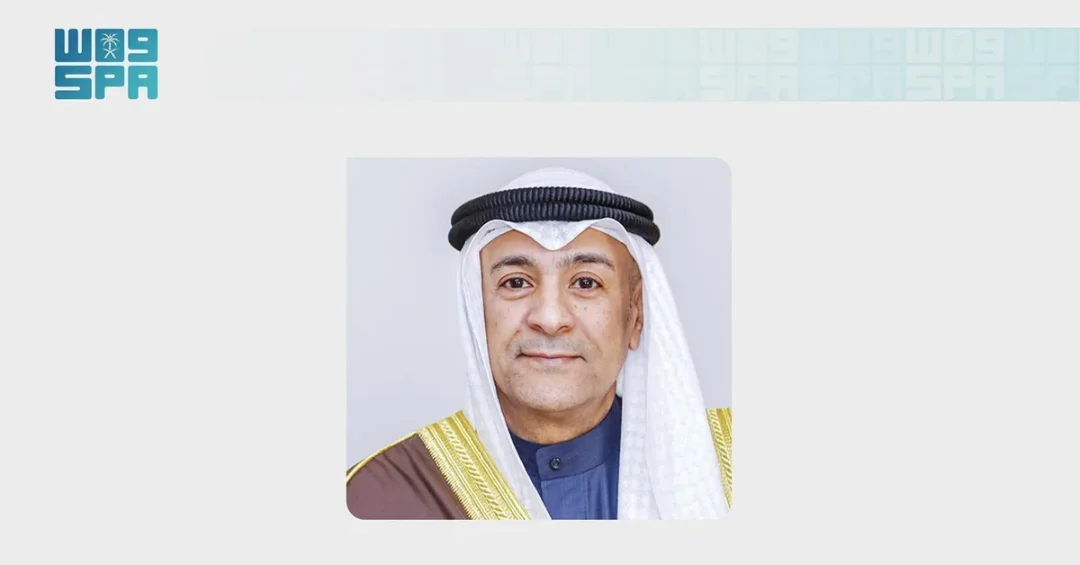
Riyadh, September 12, 2026 — The Secretary-General of the Gulf Cooperation Council (GCC), Jasem Albudaiwi, strongly condemned a drone attack on the East-West Pipeline in Saudi Arabia’s Riyadh and Madinah regions, which resulted in injuries and material damage. According to the Saudi Press Agency (SPA), the attack involved several drones launched from Iraq. Albudaiwi described the incident as a dangerous escalation and an unacceptable threat to the Kingdom’s security, calling it a flagrant violation of international law.
Context and Background
The East-West Pipeline is a critical energy infrastructure that transports crude oil from the Eastern Province to the Red Sea port of Yanbu, bypassing the Strait of Hormuz. Its security is paramount to both Saudi Arabia and the global energy market. This attack follows a pattern of hostile actions against Saudi vital facilities, underscoring the importance of robust defense measures. The GCC, comprising six Arab states, has consistently supported Saudi Arabia’s efforts to protect its sovereignty and stability.
Key Details
Albudaiwi affirmed the GCC’s categorical rejection of all acts targeting the Kingdom’s security, stability, and national resources. He stressed the need for the Iraqi government to exert greater efforts and take decisive measures to prevent its territory from being used as a launchpad for such attacks. Furthermore, he reiterated the GCC’s full and steadfast support for Saudi Arabia and its complete backing of all measures taken by the Kingdom to protect its security and stability, the safety of its territory and vital facilities, and its citizens and residents.
Implications and Impact
This attack represents a serious threat to regional security and could disrupt global energy supplies. The GCC’s condemnation highlights the unified stance of Gulf states against terrorism and violence. It also puts pressure on Iraq to address the use of its territory for hostile acts, which could affect diplomatic relations and regional cooperation. Saudi Arabia’s ability to swiftly respond and protect its infrastructure is crucial for maintaining stability and confidence in global markets.
Vision 2030 Alignment
Saudi Arabia’s Vision 2030 aims to diversify the economy and enhance national security. Protecting vital infrastructure like the East-West Pipeline is essential for achieving these goals. The Kingdom’s resilience in the face of such challenges demonstrates its commitment to ensuring a safe and prosperous future, reinforcing its role as a leader in the region and beyond.
20 Questions
Q1. What did the GCC Secretary-General condemn?
A1. Jasem Albudaiwi condemned the targeting of the East-West Pipeline in Saudi Arabia’s Riyadh and Madinah regions by drones launched from Iraq.
Q2. When did the attack occur?
A2. The attack occurred on September 12, 2026, according to the Saudi Press Agency.
Q3. What was the result of the attack?
A3. The attack resulted in injuries and material damage to the pipeline infrastructure.
Q4. Who is Jasem Albudaiwi?
A4. Jasem Albudaiwi is the Secretary-General of the Gulf Cooperation Council (GCC).
Q5. What is the East-West Pipeline?
A5. The East-West Pipeline is a major oil pipeline that transports crude from Saudi Arabia’s Eastern Province to Yanbu on the Red Sea.
Q6. Why is the pipeline important?
A6. It provides an alternative route for oil exports, bypassing the Strait of Hormuz, and is vital for global energy security.
Q7. How did Albudaiwi describe the attack?
A7. He described it as a dangerous escalation and an unacceptable threat to Saudi Arabia’s security, calling it a flagrant violation of international law.
Q8. What did the GCC secretary-general urge Iraq to do?
A8. He urged Iraq to exert greater efforts and take decisive measures to prevent its territory from being used as a launchpad for such attacks.
Q9. What is the GCC’s stance on the attack?
A9. The GCC categorically rejects all acts targeting Saudi Arabia’s security, stability, and national resources.
Q10. How does the GCC support Saudi Arabia?
A10. The GCC expresses full and steadfast support for Saudi Arabia and backs all measures taken to protect its security, stability, and vital facilities.
Q11. Where was the attack launched from?
A11. The drones were launched from Iraq, according to the Saudi Press Agency.
Q12. What regions of Saudi Arabia were targeted?
A12. The Riyadh and Madinah regions were targeted in the attack on the East-West Pipeline.
Q13. What is the significance of the GCC’s condemnation?
A13. It demonstrates Gulf unity against terrorism and reinforces regional support for Saudi Arabia’s security and stability.
Q14. How might this attack affect regional security?
A14. It could escalate tensions and disrupt energy supplies, highlighting the need for enhanced cooperation to prevent future attacks.
Q15. What measures is Saudi Arabia taking to protect its infrastructure?
A15. Saudi Arabia is taking robust measures to defend its vital facilities, with the full backing of the GCC and its allies.
Q16. What is the role of the Saudi Press Agency in this report?
A16. The Saudi Press Agency (SPA) released the official statement from the GCC Secretary-General condemning the attack.
Q17. How does this attack impact global oil markets?
A17. The attack could cause market volatility, but Saudi Arabia’s swift response and protection of infrastructure help maintain stability.
Q18. What does the GCC stand for?
A18. The GCC stands for the Gulf Cooperation Council, a regional organization of six Arab states.
Q19. What is the Kingdom’s stance on such attacks?
A19. Saudi Arabia firmly opposes any attacks on its territory and takes all necessary measures to protect its people and resources.
Q20. How does this event relate to Vision 2030?
A20. Protecting critical infrastructure is essential for Vision 2030’s goals of economic diversification and national security, ensuring a stable environment for growth.
Reader Feedback
We value your thoughts. Please share your feedback on this article.
Your feedback helps us improve our coverage.