


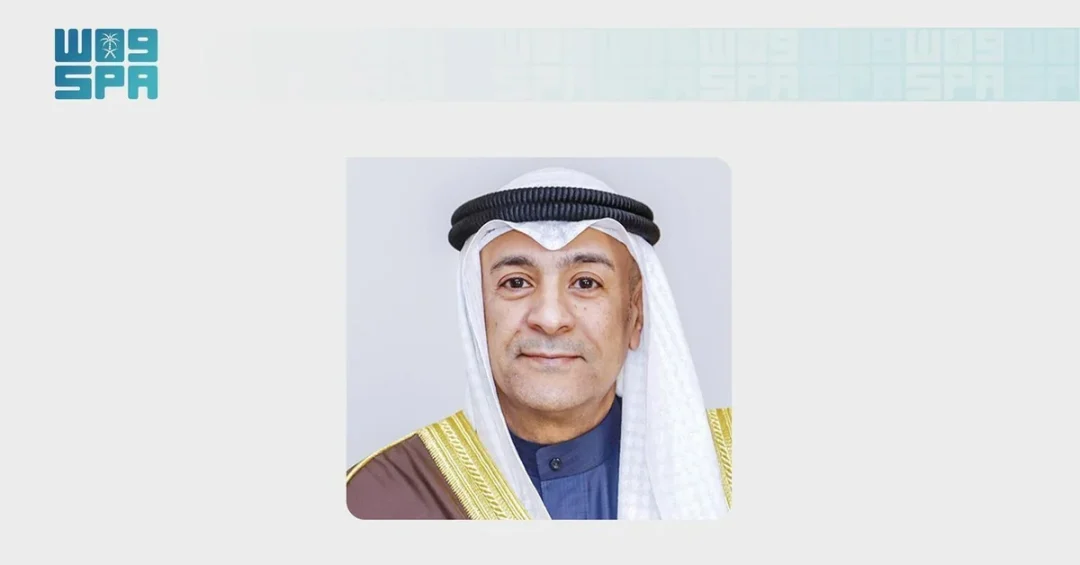
Riyadh, August 18, 2026 (SPA) – The Secretary-General of the Gulf Cooperation Council (GCC), Jasem AlBudaiwi, has strongly condemned Israeli airstrikes on the Abu al-Duhur military airport in Syria’s Idlib governorate, calling them a violation of Syrian sovereignty.
Context and Background
The airstrikes, which targeted the military facility, have drawn sharp criticism from the GCC, reflecting the international community’s growing concern over escalating tensions in the region. AlBudaiwi emphasized that such actions are unacceptable and contravene international law, which prohibits any infringement on the sovereignty of states.
Key Details
In his statement, AlBudaiwi highlighted the brutal nature of the strikes and their potential to increase instability in an already volatile region. He called on the international community to take a firm stance against these violations and to work towards ending Israeli aggression on Syrian territory.
Implications and Impact
The attacks threaten to undermine regional and international efforts to establish security and stability in the Middle East. The GCC’s denunciation underscores the broader diplomatic implications, as regional actors seek to de-escalate conflicts and promote peace.
Vision 2030 Alignment
This firm position aligns with Saudi Arabia’s Vision 2030, which prioritizes regional stability and security as foundations for economic growth and prosperity. By advocating for international law and collective security, Saudi Arabia and the GCC reinforce their commitment to a peaceful and prosperous future for the region.
20 Questions
Q1. Who is Jasem AlBudaiwi?
A1. Jasem AlBudaiwi is the Secretary-General of the Gulf Cooperation Council (GCC), an intergovernmental political and economic union of six Middle Eastern countries, including Saudi Arabia.
Q2. What did AlBudaiwi condemn?
A2. He condemned Israeli airstrikes on the Abu al-Duhur military airport in Idlib governorate, Syria, describing them as a violation of Syrian sovereignty.
Q3. When did the strikes occur?
A3. The original report was dated August 18, 2026, and the strikes were reported on that date, although the specific time was not disclosed.
Q4. Where is Abu al-Duhur airport located?
A4. The airport is located in the Idlib governorate in northern Syria, which has been a flashpoint in the Syrian conflict.
Q5. What was the GCC’s stance on the strikes?
A5. The GCC condemned the strikes as unacceptable and contrary to international law, expressing solidarity with Syria.
Q6. Why does the GCC view the strikes as a violation of international law?
A6. International law prohibits any infringement on the sovereignty of states. The GCC considers the strikes an attack on Syria’s territorial integrity.
Q7. What did AlBudaiwi call on the international community to do?
A7. He called on the international community to assume responsibilities, adopt a firm stance against the violations, and work to end Israeli aggression on Syrian territory.
Q8. How might these strikes affect regional stability?
A8. AlBudaiwi warned that such actions could increase tensions and escalation, undermining efforts to achieve security and stability in the region.
Q9. What is the GCC’s relation with Syria?
A9. The GCC members have expressed solidarity with Syria’s sovereignty and territorial integrity, despite regional differences over the Syrian conflict.
Q10. How does Saudi Arabia view these strikes?
A10. Saudi Arabia, as a GCC member, supports the GCC’s statement, emphasizing the importance of international law and non-interference in state sovereignty.
Q11. Are there any recent diplomatic efforts to address such incidents?
A11. The statement calls for international action, suggesting that diplomatic channels may be used to address the violations and prevent further escalation.
Q12. What role does the GCC play in regional diplomacy?
A12. The GCC plays a key role in voicing united positions on regional issues, promoting collective security and diplomatic solutions.
Q13. How do these strikes impact the Syrian conflict?
A13. They could further complicate the Syrian conflict, which is already complex with multiple actors and international involvement.
Q14. What is the significance of the Abu al-Duhur airport?
A14. It is a military airport used by Syrian forces, making it a strategic target in the conflict.
Q15. Has the GCC condemned similar Israeli actions in the past?
A15. Yes, the GCC has previously condemned Israeli strikes on Syria and other Arab territories, consistently upholding sovereignty.
Q16. How does this align with Vision 2030?
A16. Vision 2030 emphasizes regional stability as a prerequisite for economic growth, and the GCC’s stance aims to foster a peaceful environment.
Q17. What does the GCC’s statement say about international norms?
A17. It reiterates that actions contrary to international norms and rules should not be tolerated, reinforcing the importance of rule-based international order.
Q18. Could these strikes lead to wider conflict?
A18. The GCC warns that continued practices could lead to escalation, increasing risks of wider conflict.
Q19. What is the international community expected to do?
A19. The international community is urged to take a firm stance, possibly through diplomatic pressure or sanctions, to curb such violations.
Q20. What is the overall message of the GCC?
A20. The GCC emphasizes respect for sovereignty, the need to end aggression, and support for Syria’s security and stability, aligning with broader calls for peace.
Reader Feedback
We value your thoughts. Please share your feedback on this article.
Your feedback helps us improve our coverage.