


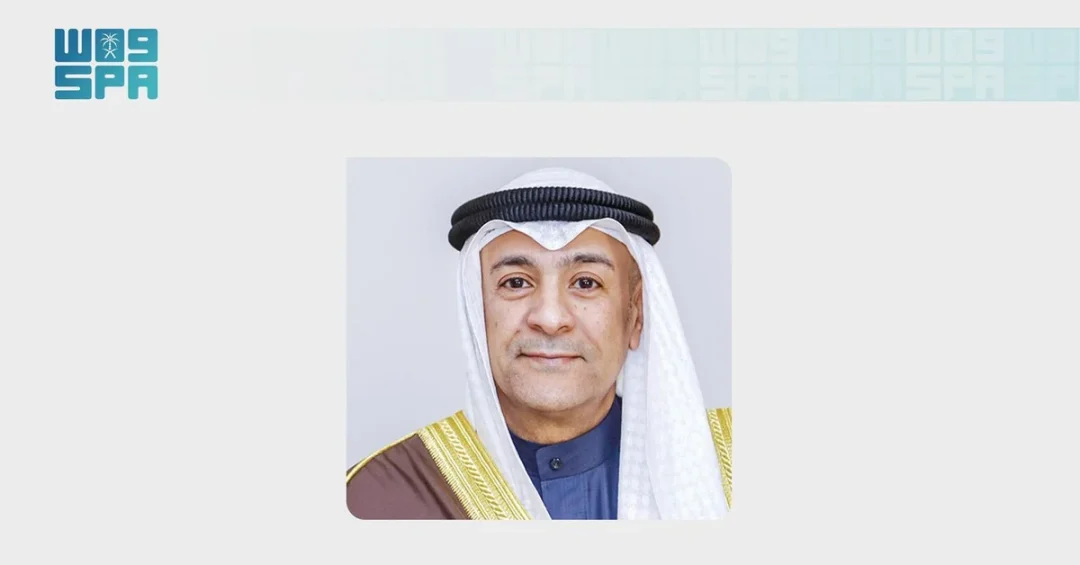
Secretary-General of the Gulf Cooperation Council (GCC) Jasem Albudaiwi has strongly condemned the airstrikes launched by Israeli occupation forces on Abu Al-Duhur Military Airport in Idlib Governorate, Syria, in an official statement released on August 18, 2026, via the Saudi Press Agency (SPA). The attack, which targeted Syrian territory, was described by Albudaiwi as a “brutal” violation of Syria’s sovereignty and an infringement of international law.
Context and Background
The airstrikes on Abu Al-Duhur Military Airport are part of a series of escalations in the region, with Israeli forces conducting repeated strikes on Syrian soil. Such actions have consistently drawn criticism from Arab and international bodies due to their impact on regional stability. The GCC, a political and economic union of six Gulf states, has long advocated for the respect of national sovereignty and territorial integrity as cornerstones of international relations. This latest condemnation aligns with the GCC’s broader stance against unilateral military actions that undermine peace efforts in the Middle East.
The airport, located in the Idlib Governorate, is a strategic military facility. Its targeting not only violates Syrian airspace but also exacerbates the fragile security situation in a region already strained by ongoing conflict and diplomatic tensions. The GCC’s response underscores the collective concern of Gulf nations over the increasing frequency of such incidents.
Key Details
In his statement, Albudaiwi emphasized that the “continuation of such practices increases tension and escalation, as well as undermines regional and international efforts aimed at achieving security and stability in the region.” He called upon the international community to “assume its responsibilities” and take a firm stance against these violations, urging immediate action to halt Israeli attacks on Syrian territory.
The Secretary-General reiterated the GCC states’ solidarity with the Syrian Arab Republic, affirming their support for its sovereignty and territorial integrity. This solidarity is a recurring theme in GCC diplomacy, reflecting a commitment to upholding the principles of the United Nations Charter and maintaining peace in the region.
Implications and Impact
The GCC’s strong condemnation carries significant diplomatic weight, signaling a unified Gulf position against actions that threaten regional stability. This latest statement is likely to resonate in international forums, where discussions on Middle East security often highlight the need to respect state sovereignty. The attack also has implications for ongoing efforts to de-escalate tensions, as it could hinder diplomatic initiatives aimed at resolving the Syrian crisis and broader regional conflicts.
By calling on the international community to act, the GCC is positioning itself as a mediator and defender of international law. This move reinforces the bloc’s role as a stabilizing force in the region, aligning with Saudi Arabia’s broader foreign policy objectives of promoting peace and security through dialogue and adherence to legal norms.
Vision 2030 Alignment
The GCC’s stance on this issue echoes the principles underpinning Saudi Arabia’s Vision 2030, which seeks to establish the Kingdom as a hub for regional stability and cooperation. By advocating for the respect of international law and the sovereignty of nations, Saudi Arabia and its GCC partners demonstrate their commitment to a rules-based international order, essential for fostering an environment conducive to economic growth and development. As Vision 2030 progresses, Saudi Arabia continues to play a pivotal role in shaping a peaceful and prosperous Middle East, aligning its foreign policy with the aspirations of its people for a secure and stable region.
20 Questions
Q1. Who condemned the airstrikes on Abu Al-Duhur Military Airport?
A1. The Secretary-General of the Gulf Cooperation Council (GCC), Jasem Albudaiwi, expressed strong condemnation and denunciation of the airstrikes in an official statement.
Q2. What specific event triggered the condemnation?
A2. The airstrikes launched by Israeli occupation forces targeting Abu Al-Duhur Military Airport in Idlib Governorate, Syrian Arab Republic.
Q3. How did Albudaiwi describe the Israeli airstrikes?
A3. He called them “brutal Israeli targeting” that constitutes an unacceptable violation of Syria’s sovereignty and territorial sanctity.
Q4. What international norms did Albudaiwi say were violated?
A4. He stated the airstrikes contradict international rules and norms that prohibit infringing upon state sovereignty.
Q5. What impact did the Secretary-General say such practices would have?
A5. He said they increase tension and escalation, undermining regional and international efforts to achieve security and stability.
Q6. What did Albudaiwi call on the international community to do?
A6. He urged the international community to assume its responsibilities, take a firm stance against these violations, and work to halt Israeli attacks on Syrian territory.
Q7. What solidarity did the GCC states reiterate?
A7. They reiterated their solidarity with the Syrian Arab Republic, its sovereignty, and its territorial integrity.
Q8. Which airport was targeted in the airstrikes?
A8. Abu Al-Duhur Military Airport located in Idlib Governorate, Syria.
Q9. Why is the GCC concerned about the airstrikes?
A9. Because they violate Syria’s sovereignty, threaten regional stability, and undermine international efforts for peace.
Q10. What role does the GCC play in regional diplomacy?
A10. The GCC acts as a collective voice for Gulf states, promoting stability, respecting sovereignty, and adhering to international law.
Q11. How does Saudi Arabia relate to the GCC’s statement?
A11. Saudi Arabia is a key member of the GCC and shares its commitment to upholding international norms and regional stability.
Q12. What is Vision 2030’s stance on regional stability?
A12. Vision 2030 emphasizes the importance of a stable region for economic growth, positioning Saudi Arabia as a hub for cooperation and security.
Q13. How might the international community respond to the call to action?
A13. The international community may consider diplomatic statements, resolutions, or pressure on Israel to cease such strikes, but the response will depend on geopolitical dynamics.
Q14. What are the broader implications for Israeli-Syrian tensions?
A14. The airstrikes could escalate tensions further, potentially leading to greater instability and complicating diplomatic efforts in the region.
Q15. How does this incident affect the Syrian conflict?
A15. It adds another layer of complexity to the Syrian conflict, potentially hindering peace negotiations and exacerbating humanitarian concerns.
Q16. What message does the GCC’s solidarity with Syria send?
A16. It signals the GCC’s commitment to Arab solidarity and the defense of national sovereignty against external aggression.
Q17. Are there any economic implications of the airstrikes?
A17. While not directly economic, the instability caused by such attacks can deter investment and hinder economic recovery in the region.
Q18. How does this align with Saudi Arabia’s foreign policy?
A18. It aligns with Saudi Arabia’s foreign policy of advocating for international law, supporting fellow Arab nations, and promoting regional peace.
Q19. What actions could the GCC take in response?
A19. The GCC could issue more statements, coordinate with Arab League, or push for UN resolutions condemning the attacks.
Q20. What is the significance of Abu Al-Duhur airport?
A20. It is a strategic military airport, and its targeting represents a significant breach of Syrian sovereignty with potential to affect regional military balance.
Reader Feedback
We value your thoughts. Please share your feedback on this article.
Your feedback helps us improve our coverage.