


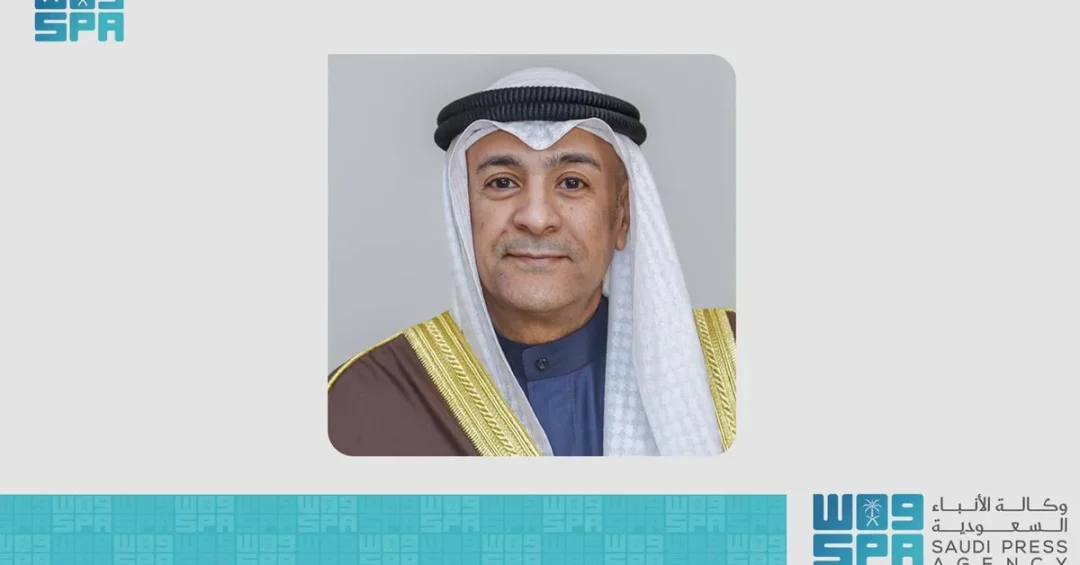
Riyadh, May 29, 2024 — The Secretary General of the Gulf Cooperation Council (GCC), Jasem Mohamed Albudaiwi, met today in Riyadh with Dr. Annette Weber, the European Union Special Representative for the Horn of Africa, to discuss pressing regional issues and avenues to strengthen GCC-EU cooperation, according to the Saudi Press Agency (SPA). The meeting focused on the security implications of military escalation in the Palestinian territories and the need for concerted international efforts to reduce tensions and maintain stability across the region and Africa.
Context and Background
The Gulf Cooperation Council, a political and economic alliance of six Arab states, has long played a pivotal role in promoting stability in the Middle East and beyond. The Horn of Africa, a strategically vital region, has been a focus of international diplomacy due to its proximity to key maritime routes and its susceptibility to conflicts and humanitarian crises. This meeting underscores the GCC’s commitment to fostering dialogue and cooperation with global partners to address shared challenges.
The European Union’s engagement in the Horn of Africa aims to support peace, security, and development. Dr. Annette Weber’s visit to Riyadh highlights the EU’s recognition of the GCC’s influence and its capacity to contribute to regional stability. The discussions between Albudaiwi and Weber are part of broader efforts to align strategies and coordinate responses to emerging threats.
Key Details
During the meeting, Secretary General Albudaiwi emphasized that the military escalation and serious violations by Israeli occupation forces in the Palestinian territories have far-reaching effects on security and stability in both the region and Africa. He called upon the international community to exert every effort to de-escalate tensions and uphold peace.
The two officials also discussed ways to enhance GCC-EU cooperation across various sectors, including political dialogue, economic collaboration, and crisis management. They reaffirmed the importance of multilateralism and the need for coordinated action to address regional challenges, such as conflicts, terrorism, and humanitarian crises.
This meeting comes at a critical time when the international community is seeking to navigate complex geopolitical dynamics. The GCC’s proactive diplomacy and the EU’s strategic engagement in the Horn of Africa are essential components of a comprehensive approach to stability.
Implications and Impact
The discussions between the GCC and the EU have significant implications for regional and international security. By aligning their positions, the two blocs can present a united front in advocating for peace and stability. This cooperation could lead to joint initiatives in areas such as mediation, humanitarian aid, and development assistance in the Horn of Africa.
Moreover, the meeting signals the GCC’s growing role as a diplomatic heavyweight capable of bridging divides and fostering dialogue. For the EU, partnering with the GCC offers a pathway to leverage regional expertise and enhance the effectiveness of its interventions. Together, they can work towards mitigating the spillover effects of conflicts and promoting sustainable development.
The focus on the Palestinian territories reflects the GCC’s consistent support for the Palestinian cause and its opposition to actions that undermine regional stability. The EU’s engagement on this issue further internationalizes the call for restraint and respect for international law.
Vision 2030 Alignment
Saudi Arabia’s Vision 2030, a comprehensive plan to diversify the economy and enhance the Kingdom’s global standing, places great emphasis on security, stability, and international cooperation. The GCC Secretary General’s meeting with the EU Special Representative exemplifies Saudi Arabia’s commitment to these principles. By facilitating dialogue and building partnerships, the Kingdom contributes to a more stable and prosperous region, in line with the vision’s objectives.
As the GCC continues to strengthen ties with international partners, Saudi Arabia remains at the forefront of efforts to promote peace and development. This meeting not only advances the GCC’s strategic interests but also reinforces the Kingdom’s role as a responsible global actor dedicated to the well-being of the region and the world.
20 Questions
Q1. Who met in Riyadh on May 29, 2024?
A1. GCC Secretary General Jasem Mohamed Albudaiwi met with EU Special Representative for the Horn of Africa Dr. Annette Weber in Riyadh on May 29, 2024, as reported by the Saudi Press Agency.
Q2. What was the main focus of the meeting?
A2. The meeting focused on the security implications of military escalation in the Palestinian territories and the need for international efforts to reduce regional tensions and maintain stability.
Q3. What did Albudaiwi say about the Israeli occupation forces?
A3. Albudaiwi stressed that military escalation and serious violations by Israeli occupation forces in the Palestinian territories greatly affect security and stability in the region and Africa.
Q4. What is the GCC?
A4. The Gulf Cooperation Council is a political and economic alliance of six Arab states—Bahrain, Kuwait, Oman, Qatar, Saudi Arabia, and the United Arab Emirates—aimed at promoting regional integration and stability.
Q5. Who is Dr. Annette Weber?
A5. Dr. Annette Weber is the European Union Special Representative for the Horn of Africa, responsible for coordinating EU efforts to promote peace, security, and development in the region.
Q6. Why is the Horn of Africa important?
A6. The Horn of Africa is strategically vital due to its proximity to key maritime routes, its geopolitical significance, and its vulnerability to conflicts and humanitarian crises.
Q7. What does the GCC hope to achieve through this meeting?
A7. The GCC aims to strengthen cooperation with the EU, coordinate responses to regional challenges, and promote security and stability in the Middle East and Africa.
Q8. How does this meeting relate to Saudi Arabia’s Vision 2030?
A8. The meeting aligns with Vision 2030’s emphasis on security, stability, and international cooperation, showcasing Saudi Arabia’s commitment to global peace and development.
Q9. What role does the EU play in the Horn of Africa?
A9. The EU supports peace, security, and development in the Horn of Africa through diplomatic engagement, humanitarian aid, and development assistance programs.
Q10. What are the implications of this meeting for regional security?
A10. The meeting strengthens GCC-EU cooperation, enabling joint efforts to address conflicts, terrorism, and humanitarian crises, thereby enhancing regional and international security.
Q11. Did the officials discuss any other issues?
A11. Yes, they discussed several issues of common interest, including strengthening GCC-EU cooperation and the need for the international community to reduce regional and international escalation.
Q12. What is the GCC’s stance on the Palestinian cause?
A12. The GCC consistently supports the Palestinian cause and opposes actions that undermine regional stability, advocating for a just and lasting peace.
Q13. How does this meeting reflect Saudi Arabia’s foreign policy?
A13. It reflects Saudi Arabia’s proactive diplomacy and its commitment to fostering international partnerships to promote peace, security, and development in the region.
Q14. What is the significance of the GCC-EU partnership?
A14. The GCC-EU partnership leverages the strengths of both blocs to address shared challenges, enhance dialogue, and promote stability in the Middle East and Africa.
Q15. What are the potential outcomes of this meeting?
A15. Potential outcomes include joint initiatives on mediation, humanitarian aid, and development assistance, as well as a unified stance on regional issues.
Q16. How does the meeting address the situation in the Palestinian territories?
A16. The meeting highlights the negative impact of Israeli military escalation on regional stability and calls for international efforts to de-escalate and uphold peace.
Q17. What is the GCC’s role in the Horn of Africa?
A17. The GCC engages diplomatically and economically with Horn of Africa countries to promote stability, development, and mutual prosperity.
Q18. Why is international cooperation important in this context?
A18. International cooperation is crucial to effectively address complex regional challenges, prevent conflicts, and ensure sustainable development and security.
Q19. What message does this meeting send to the international community?
A19. It sends a message of unity and commitment to multilateralism, urging concerted efforts to reduce tensions and maintain global peace and security.
Q20. How does this meeting advance the GCC’s strategic interests?
A20. By strengthening ties with the EU, the GCC enhances its diplomatic influence, fosters partnerships, and contributes to a stable and prosperous region, aligning with its strategic goals.
Reader Feedback
We value your thoughts. Please share your feedback on this article.
Your feedback helps us improve our coverage.