


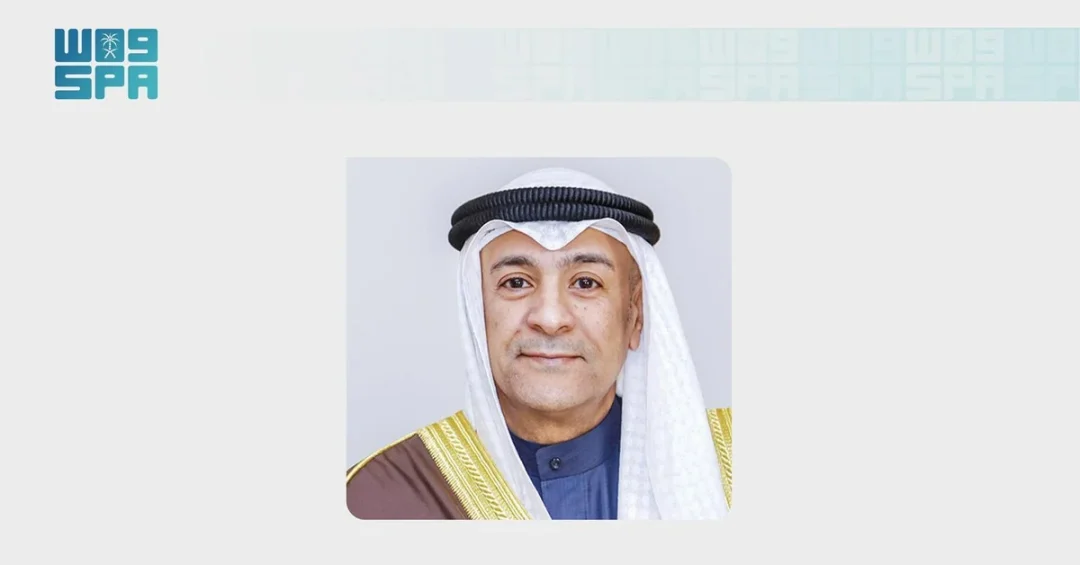
Secretary-General of the Gulf Cooperation Council (GCC) Jasem Albudaiwi affirmed on October 18, 2026, that the GCC General Secretariat, in close coordination with member states, is pressing ahead with relentless efforts to implement the directives of Gulf leaders to strengthen regional integration and reinforce the bloc’s capacity to meet challenges and deliver development and prosperity. His remarks came during the 168th GCC Ministerial Council meeting, convened in Manama, Bahrain, under the chairmanship of Bahraini Minister of Foreign Affairs Dr. Abdullatif bin Rashid Al Zayani, who also chairs the current session of the Ministerial Council, in the presence of the GCC ministers of foreign affairs.
The meeting underscored the GCC’s dual focus: deepening economic and logistical integration among its six member states while confronting persistent security threats that test the region’s stability. Albudaiwi’s address, released through official Saudi channels, placed the Council’s work squarely within the framework of the directives issued by GCC leaders at their 19th Consultative Meeting held in Jeddah on April 28, 2026. That gathering set key priorities to accelerate joint projects, improve crisis response, and convert regional challenges into opportunities. The Secretary-General’s message was clear: the GCC remains a trusted international partner, and its integration agenda is advancing on schedule.
Context and Background
What does it take to hold a regional bloc together when security shocks and economic headwinds arrive at the same time? For the Gulf Cooperation Council, founded in 1981 and comprising Saudi Arabia, the United Arab Emirates, Qatar, Kuwait, Bahrain, and Oman, the answer has long been institutional coordination and shared strategic vision. The 168th Ministerial Council meeting in Manama is the latest in a long series of high-level gatherings designed to keep that vision on track. The meeting was chaired by Bahrain’s Foreign Minister Dr. Abdullatif bin Rashid Al Zayani, reflecting the rotating leadership that gives each member state a direct stake in the Council’s agenda.
The Council’s work is guided by the outcomes of the 19th Consultative Meeting held in Jeddah on April 28, 2026, where GCC leaders established priorities to advance integration, accelerate joint projects, and strengthen the bloc’s ability to confront crises. Those priorities include strengthening logistical connectivity, advancing the water interconnection project, expanding electricity interconnection capacity, and developing strategic storage projects. Albudaiwi explained that these initiatives are designed to enhance the efficiency of GCC economies and fulfill the aspirations of their peoples for development and prosperity. The General Secretariat has maintained close follow-up and coordination with member states, convening relevant ministerial and technical committees to monitor implementation timelines and build on the outcomes of meetings and workshops.
Key Details
What did the Secretary-General specifically highlight in his address? Albudaiwi stressed that the GCC General Secretariat continues its relentless efforts, in coordination with member states, to implement the directives of GCC leaders to bolster Gulf integration projects and cement member states’ capacities to tackle challenges. He expressed appreciation for the cooperation of GCC states and the endeavors of their representatives across various committees and working groups, as well as their contributions to promoting these initiatives. He also stressed that the GCC has been, and continues to be, a trusted international partner, with the General Secretariat expanding regional and international partnerships and opening new avenues for cooperation.
On the security front, Albudaiwi condemned the heinous assaults committed by the terrorist Houthi militia against the Kingdom of Saudi Arabia, describing them as deliberate criminal conduct that disregards the sanctity of human life, the safety of civilian facilities, and the consequences of escalation on regional security and stability. He reiterated the GCC’s categorical condemnation of these blatant assaults, rejecting the continued targeting of airports, civilian facilities, and energy infrastructure, as well as terrorizing residents and endangering travelers and workers. He affirmed that the militia’s persistence in repeating its crimes necessitates impactful international action to halt its attacks, hold those responsible accountable, and prevent its threats to security and stability. He expressed his sincere condolences and sympathy to the families of the martyrs and victims of these attacks, praying to Allah the Almighty to bestow His vast mercy upon the martyrs and the deceased, and to grant the injured a swift recovery.
International and Regional Impact
How does the GCC’s response to regional threats affect the wider world? Albudaiwi did not limit his remarks to the Houthi attacks. He also addressed the repeated Iranian attacks to which GCC member states have been subjected, stating that they cannot be overlooked, as they represent a flagrant violation of their sovereignty and territorial integrity and a direct threat to their security and stability. He pointed to dangerous and ongoing Iranian practices targeting the security and safety of maritime navigation in the Strait of Hormuz, and attempts to exploit this vital international waterway as a tool for pressure and intimidation, exposing international trade and global energy supplies to grave risks. While reiterating the categorical condemnation of these unacceptable attacks and practices, he asserted the necessity of Iran’s adherence to the principles of international law and the United Nations Charter, the full implementation of UN Security Council Resolution 2817, and ensuring freedom of navigation and safe passage through the Strait of Hormuz without restrictions or threats.
He underscored the responsibility of the international community, foremost the Security Council, to adopt a firm stance that guarantees the protection of the region’s security and stability and safeguards international maritime corridors from any practices threatening regional and international peace and security. This call for international action reflects the GCC’s longstanding position that regional stability is inseparable from global economic security. The Strait of Hormuz remains the world’s most important oil transit chokepoint, and any disruption there would have immediate consequences for energy markets, shipping, and insurance costs worldwide. By framing the issue in terms of international law and UN resolutions, the GCC is seeking broad-based support for its security concerns.
Economic and Strategic Significance
What concrete economic steps are advancing the integration agenda? Albudaiwi highlighted a number of joint ministerial meetings held with various countries and organizations, in addition to the signing of Memoranda of Understanding (MoUs) with the Italian Republic, the Portuguese Republic, and the Kingdom of Thailand. An addendum to the previously signed MoU with the World Customs Organization was also signed, establishing a framework to further develop cooperation in areas of common interest. These agreements expand the GCC’s international partnership network and create new opportunities for trade facilitation, customs modernization, and regulatory alignment.
He also noted that the Kingdom of Bahrain hosted the inaugural edition of the “Made in GCC 2026” Forum and Exhibition, as part of joint GCC efforts to bolster industrial integration among the member states, support the GCC industrial economy, and reinforce the competitiveness of Gulf industries in regional and global markets. With regard to Free Trade Agreements (FTAs), the Secretary-General highlighted the signing of the joint statement announcing the successful conclusion of negotiations on the FTA between the GCC and the United Kingdom, describing it as a significant milestone in relations between the two sides. This FTA, once implemented, is expected to lower trade barriers, boost investment flows, and deepen economic ties between the Gulf bloc and one of Europe’s largest economies. Together, these developments signal that the GCC’s integration strategy is not inward-looking but is designed to strengthen the bloc’s position in the global economy.
Vision 2030 Alignment
How does Gulf integration connect to Saudi Arabia’s Vision 2030? The Kingdom’s ambitious reform agenda, launched in 2016 under the leadership of Crown Prince Mohammed bin Salman, seeks to diversify the economy, expand non-oil sectors, and position Saudi Arabia as a global investment and logistics hub. GCC integration projects directly support these goals by improving cross-border connectivity, enhancing energy and water security, and creating a larger, more efficient regional market. The water interconnection project and expanded electricity interconnection capacity, for example, will allow member states to share resources more efficiently, reduce costs, and improve resilience against supply shocks. Strategic storage projects will bolster food and energy security, a key pillar of Vision 2030’s sustainability objectives.
As the GCC continues to implement the directives of its leaders, the bloc’s collective efforts will remain a cornerstone of regional stability and prosperity. Saudi Arabia, as the largest GCC economy and host of the 19th Consultative Meeting in Jeddah, plays a central role in driving these initiatives forward. The Kingdom’s leadership in the GCC aligns with its broader vision of a diversified, knowledge-based economy that is integrated with global markets. Through sustained coordination, expanded international partnerships, and a firm stance against threats to regional security, the GCC is working to ensure that the aspirations of its peoples for development and prosperity are met. The coming months will see continued follow-up by the General Secretariat and member states to translate these directives into tangible results.
20 Questions
Q1. What is the main topic of the 168th GCC Ministerial Council meeting?
A1. The meeting focused on implementing GCC leaders’ directives to bolster Gulf integration projects, strengthen member states’ capacities to tackle challenges, and address regional security threats, including attacks by the Houthi militia and Iran.
Q2. Who chaired the 168th GCC Ministerial Council meeting?
A2. The meeting was chaired by Bahraini Minister of Foreign Affairs Dr. Abdullatif bin Rashid Al Zayani, who also chairs the current session of the Ministerial Council, in the presence of the GCC ministers of foreign affairs.
Q3. What did GCC Secretary-General Jasem Albudaiwi say about the Houthi attacks?
A3. He condemned the heinous assaults as deliberate criminal conduct that disregards human life and civilian safety, and he called for impactful international action to halt the attacks and hold those responsible accountable.
Q4. What did Albudaiwi say about Iranian attacks on GCC states?
A4. He stated that the repeated Iranian attacks cannot be overlooked, as they violate sovereignty and territorial integrity, threaten security and stability, and endanger maritime navigation in the Strait of Hormuz.
Q5. What is UN Security Council Resolution 2817?
A5. Albudaiwi called for the full implementation of UNSC Resolution 2817, which addresses regional security and maritime navigation, and he urged Iran to adhere to international law and the UN Charter.
Q6. What integration projects are being advanced by the GCC?
A6. Projects include strengthening logistical connectivity, advancing the water interconnection project, expanding electricity interconnection capacity, and developing strategic storage projects to enhance economic efficiency and resilience.
Q7. When and where was the 19th GCC Consultative Meeting held?
A7. The 19th GCC Consultative Meeting was held in Jeddah, Saudi Arabia, on April 28, 2026, where GCC leaders set key priorities for integration and crisis response.
Q8. What MoUs did the GCC sign recently?
A8. The GCC signed MoUs with the Italian Republic, the Portuguese Republic, and the Kingdom of Thailand, and an addendum to a previous MoU with the World Customs Organization.
Q9. What was the “Made in GCC 2026” Forum and Exhibition?
A9. It was an inaugural event hosted by Bahrain to bolster industrial integration among GCC states, support the GCC industrial economy, and reinforce the competitiveness of Gulf industries in regional and global markets.
Q10. What is the significance of the GCC-UK Free Trade Agreement?
A10. The joint statement announcing the successful conclusion of negotiations on the FTA between the GCC and the United Kingdom was described as a significant milestone in relations, expected to boost trade and investment.
Q11. How does the GCC address maritime security in the Strait of Hormuz?
A11. The GCC calls for ensuring freedom of navigation and safe passage through the Strait of Hormuz without restrictions or threats, and urges the international community to protect maritime corridors.
Q12. What role does the GCC General Secretariat play in integration?
A12. The General Secretariat maintains close follow-up and coordination with member states, convenes ministerial and technical committees, monitors implementation timelines, and builds on outcomes of meetings and workshops.
Q13. How does GCC integration benefit the economies of member states?
A13. Integration enhances economic efficiency through better logistical connectivity, shared water and electricity resources, strategic storage, and a larger regional market that attracts investment and boosts competitiveness.
Q14. What did Albudaiwi say about the GCC as an international partner?
A14. He stressed that the GCC has been and continues to be a trusted international partner, expanding regional and international partnerships and opening new avenues for cooperation.
Q15. What is the water interconnection project?
A15. It is a GCC initiative to link water infrastructure across member states, improving water security, efficiency, and resilience against shortages by sharing resources and reducing costs.
Q16. How does the electricity interconnection project support the GCC?
A16. It expands the capacity to share electricity across borders, enhancing grid stability, reducing costs, and improving energy security for all member states, especially during peak demand.
Q17. What are strategic storage projects in the GCC context?
A17. These projects involve developing storage facilities for food, energy, and other essentials to bolster security and resilience against supply chain disruptions and regional crises.
Q18. How does the GCC’s work align with Saudi Vision 2030?
A18. GCC integration supports Vision 2030 by improving connectivity, enhancing energy and water security, diversifying economies, and positioning Saudi Arabia as a global investment and logistics hub.
Q19. What is the GCC’s stance on international cooperation against terrorism?
A19. The GCC categorically condemns terrorism, calls for impactful international action to hold perpetrators accountable, and works with global partners to protect regional security and stability.
Q20. What are the next steps for the GCC after the 168th Ministerial Council meeting?
A20. The General Secretariat will continue coordinating with member states to implement leaders’ directives, monitor project timelines, and expand international partnerships to achieve development and prosperity.
Reader Feedback
We value your thoughts. Please share your feedback on this article.
Your feedback helps us improve our coverage.