


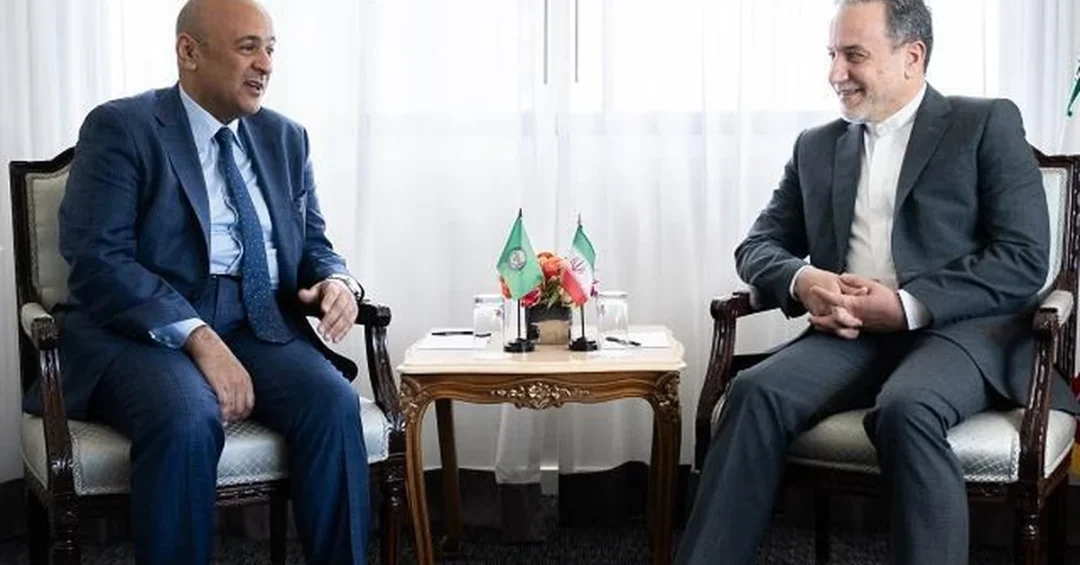
Secretary General of the Gulf Cooperation Council (GCC) Jasem Albudaiwi met with Iran’s Minister of Foreign Affairs Abbas Araghchi on the sidelines of the 79th session of the UN General Assembly in New York on September 21, 2024, to discuss regional stability and bilateral relations. The meeting, reported by the Saudi Press Agency (SPA), underscored the GCC’s ongoing commitment to diplomacy and dialogue in addressing regional challenges. The two officials reviewed ways to enhance GCC-Iran relations for the benefit of their countries and the security and stability of the region. They also discussed the latest regional and international developments, reaffirming the need for stability and security in the region and beyond.
Context and Background
This meeting comes amid a broader regional context of shifting alliances and diplomatic engagements. The GCC, a political and economic alliance of six Arab states including Saudi Arabia, has consistently advocated for peaceful resolution of conflicts and constructive dialogue. The 79th UN General Assembly provided a platform for leaders and diplomats to address pressing global issues, including regional security, economic cooperation, and humanitarian crises. The meeting between Albudaiwi and Araghchi reflects ongoing efforts to manage tensions and explore avenues for cooperation between the GCC and Iran.
Saudi Arabia, as a key member of the GCC, has supported initiatives aimed at fostering stability in the region. The Kingdom’s Vision 2030 emphasizes economic diversification and global engagement, which relies on a secure and stable neighborhood. Diplomatic engagements like this align with Saudi Arabia’s broader strategy to promote peace and prosperity.
Key Details
During the meeting, Jasem Albudaiwi and Abbas Araghchi reviewed the current state of GCC-Iran relations and explored ways to strengthen them. They discussed regional and international developments, with a focus on the need for stability and security. The SPA report did not disclose specific agreements or outcomes, but the dialogue itself signals a continued willingness to engage. The meeting took place on the sidelines of the UN General Assembly, a setting that facilitates informal and formal diplomatic exchanges among world leaders.
The GCC Secretary General’s participation in such high-level meetings highlights the council’s active role in regional diplomacy. Iran’s Foreign Minister’s engagement indicates a mutual interest in maintaining channels of communication. Both sides reaffirmed the importance of stability, a shared concern given the region’s complex geopolitical landscape.
Implications and Impact
The meeting carries significant implications for regional dynamics. Improved GCC-Iran relations could contribute to reduced tensions, enhanced economic cooperation, and greater security. For Saudi Arabia, a stable relationship with Iran is crucial for its economic and security interests, particularly as it pursues Vision 2030 goals. The Kingdom has consistently advocated for dialogue and diplomacy to resolve differences, and this meeting is a step in that direction.
International observers view such engagements as positive signals for peace and stability in the Middle East. The UN General Assembly serves as a vital forum for these discussions, enabling parties to address issues discreetly and constructively. While no immediate breakthroughs were announced, the continued dialogue is a foundation for future progress.
Vision 2030 Alignment
Saudi Arabia’s Vision 2030 aims to transform the Kingdom into a global investment powerhouse and a hub for trade and tourism. A stable and secure region is essential for achieving these ambitions. Diplomatic efforts like the GCC-Iran meeting support the Vision’s objectives by fostering an environment conducive to economic growth and international collaboration. The Kingdom remains committed to promoting peace and stability, in line with its leadership role in the region and its dedication to global cooperation.
20 Questions
Q1. Who met in New York on September 21, 2024?
A1. GCC Secretary General Jasem Albudaiwi and Iran’s Foreign Minister Abbas Araghchi met in New York on September 21, 2024, on the sidelines of the 79th UN General Assembly.
Q2. What was the main purpose of the meeting?
A2. The main purpose was to review GCC-Iran relations and explore ways to enhance them for the benefit of their countries and the security and stability of the region.
Q3. Where did the meeting take place?
A3. The meeting took place in New York, on the sidelines of the 79th session of the United Nations General Assembly.
Q4. Which organization does Jasem Albudaiwi represent?
A4. Jasem Albudaiwi represents the Gulf Cooperation Council (GCC), a political and economic alliance of six Arab states in the Persian Gulf region.
Q5. What is the GCC?
A5. The GCC is a regional intergovernmental organization comprising Bahrain, Kuwait, Oman, Qatar, Saudi Arabia, and the United Arab Emirates, aimed at fostering cooperation and integration.
Q6. Who is Abbas Araghchi?
A6. Abbas Araghchi is the Minister of Foreign Affairs of the Islamic Republic of Iran, representing Iran in international diplomatic engagements.
Q7. What did the officials discuss regarding regional developments?
A7. They discussed the latest regional and international developments, reaffirming the need for stability and security in the region and beyond.
Q8. Which news agency reported the meeting?
A8. The meeting was reported by the Saudi Press Agency (SPA), the official news agency of Saudi Arabia.
Q9. What is the significance of the UN General Assembly for such meetings?
A9. The UN General Assembly provides a global platform for leaders and diplomats to engage in formal and informal discussions, facilitating diplomacy and conflict resolution.
Q10. How does this meeting align with Saudi Arabia’s Vision 2030?
A10. The meeting supports Vision 2030 by promoting regional stability, which is essential for economic growth, investment, and international collaboration.
Q11. What are the key objectives of the GCC?
A11. The GCC aims to enhance cooperation among its member states in economic, political, and security matters, and to promote regional stability and prosperity.
Q12. Has there been previous dialogue between the GCC and Iran?
A12. Yes, the GCC and Iran have engaged in various diplomatic exchanges over the years, often focusing on regional security and economic cooperation.
Q13. What role does Saudi Arabia play in the GCC?
A13. Saudi Arabia is a founding member and a leading force in the GCC, actively shaping its policies and initiatives towards regional stability and economic integration.
Q14. What are the potential outcomes of improved GCC-Iran relations?
A14. Potential outcomes include reduced tensions, enhanced economic cooperation, and greater security, contributing to a more stable and prosperous region.
Q15. Did the meeting produce any specific agreements?
A15. No specific agreements were announced; the meeting focused on reviewing relations and discussing regional developments.
Q16. How does this meeting reflect Saudi Arabia’s foreign policy?
A16. It reflects Saudi Arabia’s commitment to diplomacy, dialogue, and peaceful resolution of differences, in line with its leadership role in the region.
Q17. What is the significance of the 79th UN General Assembly?
A17. The 79th UN General Assembly serves as a critical forum for addressing global challenges, including security, development, and humanitarian issues.
Q18. What are the implications for regional security?
A18. The dialogue contributes to regional security by fostering communication and understanding, reducing the risk of misunderstandings and conflicts.
Q19. How might this meeting impact economic cooperation?
A19. Improved relations could lead to increased trade, investment, and economic collaboration between the GCC and Iran, benefiting all parties involved.
Q20. What is the next step for GCC-Iran relations?
A20. The next steps likely involve continued diplomatic engagement and follow-up discussions to build on the momentum from this meeting.
Reader Feedback
We value your thoughts. Please share your feedback on this article.
Your feedback helps us improve our coverage.