


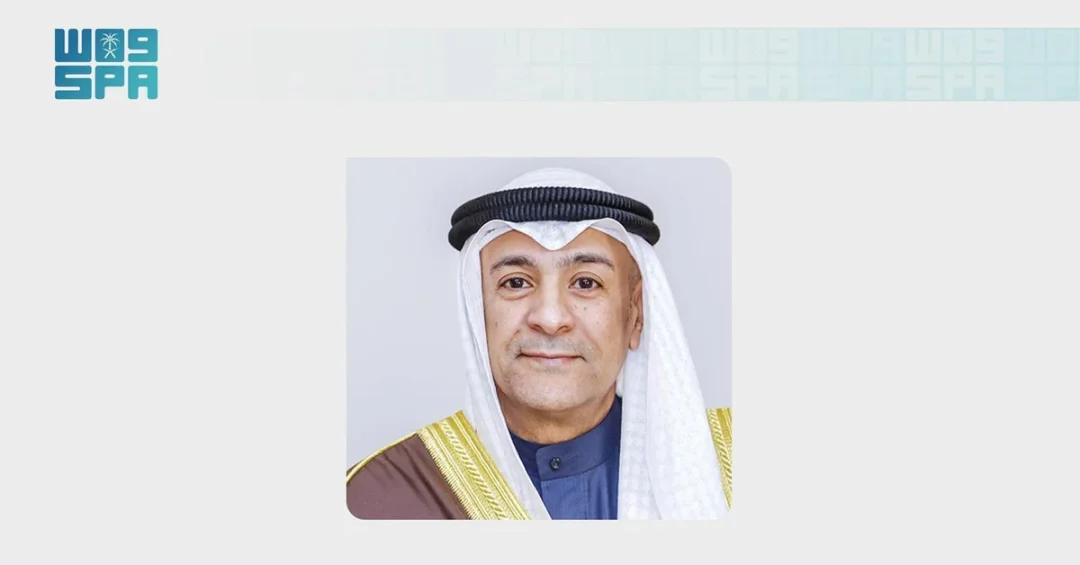
Secretary-General of the Gulf Cooperation Council (GCC) Jasem Albudaiwi met with Deputy Prime Minister and Minister of Foreign Affairs of the Islamic Republic of Pakistan Mohammad Ishaq Dar in New York on September 24, 2026, on the sidelines of the 81st session of the United Nations General Assembly (UNGA), where the two leaders reviewed regional and international developments and advanced plans for a GCC-Pakistan Free Trade Agreement (FTA). The meeting, reported by the Saudi Press Agency (SPA), underscored the GCC’s expanding diplomatic engagement at the world’s premier multilateral gathering and highlighted the deepening partnership between the Gulf bloc and one of South Asia’s most populous nations. Both sides emphasized the importance of broadening cooperation across trade, investment, and regional security, according to the official account of the talks.
The encounter took place as the 81st UNGA session convenes global leaders in New York for a week of high-level diplomacy, and it reflects the GCC’s active role in shaping conversations that extend well beyond the Gulf region. For Saudi Arabia, a founding and pivotal member of the GCC, such engagements reinforce the Kingdom’s Vision 2030 objective of positioning the Gulf as a bridge between continents, economies, and cultures. Pakistan, a long-standing partner of the Gulf states, shares deep historical, religious, and economic ties with the region, making the meeting a natural continuation of a relationship that has matured over decades. The discussion of a Free Trade Agreement signals that both sides are moving from general goodwill toward concrete, rules-based economic integration.
Context and Background
Why does a meeting on the sidelines of the United Nations General Assembly carry such weight for the Gulf and South Asia? The UNGA’s annual gathering is more than a series of speeches; it is a diplomatic marketplace where bilateral and multilateral deals are seeded, refined, and sometimes concluded. For the GCC, participation in the 81st session provides a platform to articulate its vision of a stable, prosperous region and to pursue partnerships that support economic diversification. The GCC-Pakistan relationship rests on a foundation of labor mobility, remittances, energy cooperation, and shared security interests. Millions of Pakistani workers contribute to the Gulf’s economies, while Gulf investment has flowed into Pakistani infrastructure, energy, and agriculture.
The Free Trade Agreement under discussion is the latest step in a long process. GCC-Pakistan FTA negotiations have been ongoing for years, with both sides periodically reaffirming their commitment to conclude a deal that would reduce tariffs, ease investment flows, and create a more predictable legal framework for businesses. The meeting between Albudaiwi and Dar indicates that the file remains a priority at the highest levels. It also comes amid a broader trend of Gulf states expanding trade networks across Asia, Africa, and Europe, part of a strategic pivot toward economic resilience and diversified partnerships. For Pakistan, an FTA with the GCC would offer preferential access to a market of over 50 million people with significant purchasing power and ambitious development plans.
Regional developments were also on the agenda, according to SPA. The two leaders exchanged views on matters of common concern, a phrase that in Gulf-Pakistan diplomacy typically encompasses security in the Arabian Gulf, the situation in Afghanistan, Kashmir, and broader stability in the Middle East and South Asia. By coordinating positions at the UN, the GCC and Pakistan can amplify their diplomatic voices and contribute to peaceful resolutions of disputes. The meeting thus served both a bilateral and a multilateral purpose, reinforcing the GCC’s role as a constructive actor in international affairs.
Key Details of the Meeting
What specifically did the two leaders discuss, and what outcomes can be expected? According to the official SPA report, Albudaiwi and Dar focused on ways to advance and broaden GCC-Pakistan relations to achieve shared objectives, with the Free Trade Agreement identified as a central item. The FTA, once finalized, would be the GCC’s latest trade pact with a major Asian economy, following agreements and ongoing negotiations with countries such as China, India, and South Korea. For Pakistan, the agreement would complement its existing trade arrangements and potentially boost exports of textiles, agricultural products, and manufactured goods to Gulf markets.
The meeting also covered the latest regional and international developments. While the SPA report did not detail specific topics, the timing—during UNGA’s high-level week—suggests discussions likely touched on the humanitarian and political situations in Gaza, Yemen, Afghanistan, and the broader Middle East. Pakistan, as a non-permanent member of the UN Security Council in recent years, has been an active voice on these issues, and its perspectives are valued by Gulf states. The exchange of views reflects a shared interest in de-escalation, dialogue, and development-led solutions to regional crises.
Notably, the meeting was held on the sidelines of Albudaiwi’s participation in the 81st UNGA session, where the GCC Secretary-General is expected to hold a series of bilateral meetings with leaders and foreign ministers. These encounters are part of the GCC’s broader diplomatic outreach, which aligns with Saudi Arabia’s Vision 2030 goal of enhancing the Kingdom’s global standing and economic connectivity. The presence of the GCC at UNGA also allows the bloc to present a unified Gulf perspective on issues ranging from climate change to energy security, reinforcing its relevance in a multipolar world.
International and Regional Impact
How will this meeting resonate beyond the immediate participants? The GCC-Pakistan relationship is a cornerstone of South Asia-Gulf ties, and any progress toward an FTA sends a positive signal to investors and businesses in both regions. For Pakistan, closer economic integration with the GCC could help stabilize its economy, attract Gulf investment, and create jobs for its young population. For the GCC, Pakistan offers a large market, a strategic location at the crossroads of Central and South Asia, and a partner in counterterrorism and maritime security. The meeting thus reinforces a mutually beneficial dynamic that extends far beyond trade.
At the regional level, the coordination between the GCC and Pakistan contributes to stability in the Arabian Sea and the broader Indian Ocean region. Both sides have an interest in secure sea lanes, which are vital for energy exports and global commerce. Pakistan’s naval cooperation with Gulf states, including joint exercises and port access arrangements, complements the economic agenda. The discussions in New York may also pave the way for enhanced cooperation in areas such as food security, renewable energy, and technology transfer—sectors where Gulf capital and Pakistani expertise can combine effectively.
Internationally, the meeting demonstrates the GCC’s commitment to multilateralism and its willingness to work with diverse partners to address global challenges. By engaging Pakistan at the UN, the GCC signals that it views South Asia as an integral part of its strategic neighborhood. This approach aligns with Saudi Arabia’s Foreign Ministry’s emphasis on dialogue and diplomacy, as well as the Kingdom’s efforts to bridge divides and promote peaceful coexistence. The meeting is therefore a small but meaningful piece of a larger diplomatic mosaic.
Economic and Strategic Significance
What does the Free Trade Agreement mean for the economic futures of the GCC and Pakistan? An FTA would eliminate or reduce tariffs on a wide range of goods, streamline customs procedures, and protect investments, making it easier for companies to trade and invest across borders. For the GCC, which is pursuing economic diversification under Vision 2030 and similar national strategies, Pakistan represents a market of over 240 million people with growing demand for energy, construction materials, and consumer goods. For Pakistan, the GCC is already a leading source of remittances and foreign direct investment; an FTA would formalize and expand these flows.
The strategic significance extends to energy. Pakistan is a significant importer of Gulf oil and gas, and long-term supply agreements could be strengthened under the FTA framework. Conversely, Gulf states are investing in Pakistan’s energy infrastructure, including LNG terminals and renewable energy projects. The meeting between Albudaiwi and Dar may accelerate discussions on these fronts, as both sides seek to lock in mutually beneficial arrangements. Additionally, the FTA could open doors for cooperation in digital economy, tourism, and halal industries, where both regions have competitive advantages.
From a Saudi perspective, the GCC-Pakistan FTA complements the Kingdom’s own trade and investment strategy. Saudi Arabia is Pakistan’s largest source of petroleum and a major investor in its economy. Saudi Vision 2030 aims to increase non-oil exports and attract foreign investment, and a stronger GCC-Pakistan economic corridor supports those goals by creating new markets for Saudi non-oil products and services. The Kingdom’s leadership in the GCC ensures that such agreements reflect its priorities and values, including a commitment to stability and prosperity in the wider Islamic world.
Vision 2030 Alignment
How does this meeting connect to Saudi Arabia’s Vision 2030 and the Kingdom’s global role? Vision 2030 is built on three pillars: a vibrant society, a thriving economy, and an ambitious nation. The GCC-Pakistan engagement advances all three. A thriving economy benefits from expanded trade and investment ties with a large and dynamic partner like Pakistan. A vibrant society is enriched by cultural and people-to-people exchanges, including the millions of Pakistanis who live and work in the Gulf. An ambitious nation projects its influence through diplomacy and multilateral cooperation, as seen at the UNGA.
Moreover, the meeting underscores the GCC’s role as a platform for collective action, with Saudi Arabia as a leading member. The Kingdom has consistently supported GCC initiatives to deepen ties with Asian partners, recognizing that the center of global economic gravity is shifting eastward. By backing the FTA and participating in high-level diplomatic engagements like the 81st UNGA, Saudi Arabia is helping to build a more interconnected and prosperous region. The meeting between Albudaiwi and Dar is a testament to the enduring strength of Gulf-Pakistan relations and a step toward a future of shared growth and stability, fully in line with Vision 2030’s promise of a forward-looking, globally engaged Kingdom.
20 Questions
Q1. Who met in New York on September 24, 2026?
A1. GCC Secretary-General Jasem Albudaiwi met with Pakistan’s Deputy Prime Minister and Foreign Minister Mohammad Ishaq Dar on the sidelines of the 81st UN General Assembly session.
Q2. What was the main focus of the meeting?
A2. The two leaders discussed advancing GCC-Pakistan relations, particularly the Free Trade Agreement, and exchanged views on regional and international developments of mutual interest.
Q3. Where did the meeting take place?
A3. The meeting was held in New York, United States, during the 81st session of the United Nations General Assembly.
Q4. What is the GCC-Pakistan Free Trade Agreement?
A4. It is a proposed trade pact aimed at reducing tariffs, boosting investment, and expanding economic ties between the Gulf Cooperation Council states and Pakistan.
Q5. Why is the FTA important for Pakistan?
A5. It would give Pakistan preferential access to Gulf markets, boost exports, attract investment, and support economic stability and job creation.
Q6. Why is the FTA important for the GCC?
A6. It would open a large South Asian market for Gulf goods and services, strengthen supply chains, and deepen strategic ties with a key partner.
Q7. What regional developments were discussed?
A7. The leaders exchanged views on matters of common concern, likely including security, stability, and humanitarian issues in the Middle East and South Asia.
Q8. How does this meeting relate to Saudi Arabia?
A8. Saudi Arabia is a founding and leading GCC member, and the meeting supports the Kingdom’s Vision 2030 goals of economic diversification and global engagement.
Q9. What is the significance of the UNGA sidelines?
A9. The UNGA provides a unique platform for world leaders to hold bilateral meetings and advance diplomatic and economic initiatives outside formal sessions.
Q10. How long have GCC-Pakistan FTA talks been ongoing?
A10. Negotiations have been discussed for several years, with both sides periodically reaffirming their commitment to concluding a comprehensive agreement.
Q11. What are Pakistan’s main exports to the Gulf?
A11. Pakistan exports textiles, agricultural products, food items, and manufactured goods, while the Gulf supplies energy, petrochemicals, and investment.
Q12. How many Pakistanis work in the Gulf?
A12. Millions of Pakistani workers are employed across GCC states, contributing significantly to both host economies and Pakistan through remittances.
Q13. What other areas of cooperation exist?
A13. Cooperation spans energy, security, counterterrorism, education, health, and cultural exchange, with growing potential in technology and renewable energy.
Q14. What did the SPA report say about the meeting?
A14. The Saudi Press Agency reported that the two sides discussed mutual interests, broadening relations, the FTA, and regional and international developments.
Q15. How does this meeting fit into Vision 2030?
A15. It advances Vision 2030’s pillars by promoting trade, investment, and diplomacy, reinforcing Saudi Arabia’s role as a global economic and political hub.
Q16. What is the GCC’s role in the meeting?
A16. The GCC Secretary-General represents the bloc in diplomatic engagements, coordinating member states’ positions and pursuing collective economic and security interests.
Q17. What are the next steps after this meeting?
A17. Both sides are expected to continue technical negotiations on the FTA and follow up on regional issues through diplomatic channels and future meetings.
Q18. How might the FTA affect Saudi-Pakistan trade?
A18. It could increase bilateral trade volumes, diversify Saudi non-oil exports, and encourage Saudi investment in Pakistan’s infrastructure and energy sectors.
Q19. What message does this meeting send to the world?
A19. It signals that the GCC and Pakistan are committed to dialogue, economic integration, and stability, and that the Gulf remains a proactive global partner.
Q20. What is the broader significance for the region?
A20. The meeting strengthens South Asia-Gulf ties, supports regional stability, and contributes to a more interconnected and prosperous economic landscape.
Reader Feedback
We value your thoughts. Please share your feedback on this article.
Your feedback helps us improve our coverage.
Related articles
 Saudi Arabia Reflags Bob Palmer Rig Under National Flag
 Saudi Embassy in Albania Celebrates National Day
 Al-Shehail Presents Credentials as Saudi Ambassador to Sweden
 Al-Baha Municipality Distributes 10,000 National Day Gifts
 Saudi Embassy in Bangladesh Hosts National Day Reception
 GCC and Portugal Sign Landmark Cooperation MoU at UNGA