


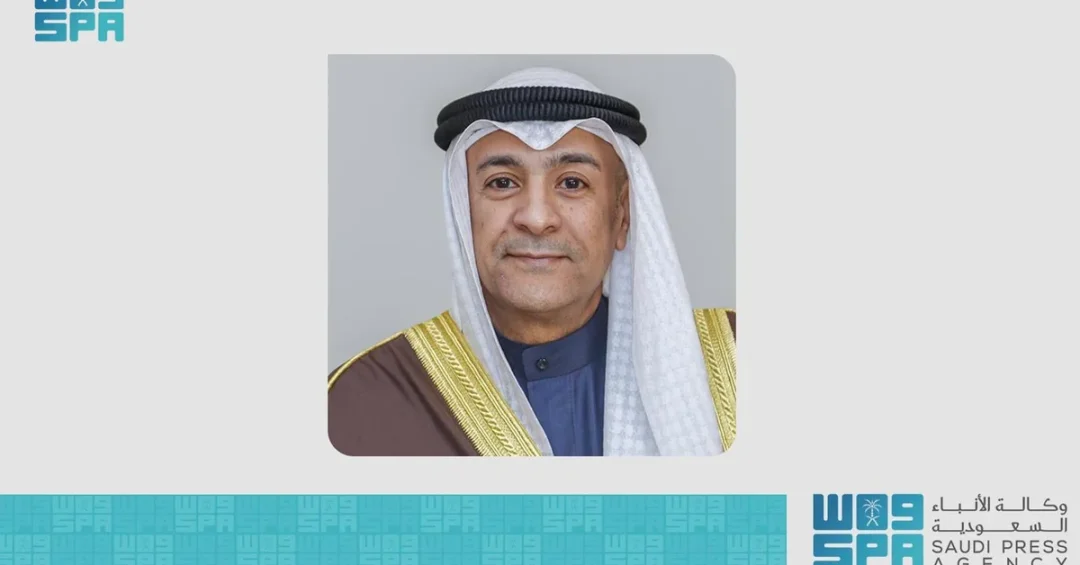
GCC Secretary General Jasem Mohamed Albudaiwi praised member states for their diligent efforts to enhance transparency and establish advanced accounting monitoring systems, highlighting these as key factors behind the Gulf bloc’s distinguished regional and global standing. Addressing the 21st meeting of the heads of financial and accounting audit bureaus in Doha, Qatar, Albudaiwi underscored the GCC’s significant achievements in cooperation and integration, reflecting the aspirations of its leaders and citizens, according to the Saudi Press Agency (SPA).
Context and Background
The Gulf Cooperation Council (GCC), comprising Saudi Arabia, the United Arab Emirates, Qatar, Kuwait, Bahrain, and Oman, has long pursued deeper integration across political, economic, and financial domains. The meeting of the heads of financial and accounting audit bureaus serves as a vital platform for advancing joint oversight mechanisms. Secretary General Albudaiwi expressed gratitude to the State of Qatar for hosting the event and for its unwavering support of the GCC. He noted that the GCC’s journey has yielded significant accomplishments that contribute to the goals set by member state leaders to enhance cooperation and integration in all fields.
Key Details
During the meeting, chaired by Abdulaziz bin Mohammed bin Ahmed Al Emadi, President of the State Audit Bureau of Qatar and president of the current session, Albudaiwi highlighted the interest of audit bureau heads in approving several decisions and regulatory guidelines aimed at enhancing joint Gulf cooperation in financial control and accounting. “This serves as a clear indication of the importance of the existing cooperation among the GCC member states in this vital area,” he stressed. He emphasized that this cooperation not only enhances financial transparency and credibility but also serves as a fundamental pillar supporting sustainable development and achieving the desired economic integration among GCC countries. “The consultation and agreement on regulatory guidelines reflect the commitment of the member states to international standards and best global practices, thereby enhancing investor confidence and supporting the stability of the Gulf economy in facing regional and global challenges,” he added.
Implications and Impact
Albudaiwi pointed out that the Committee of Heads of Financial and Accounting Audit Bureaus of the GCC is steadily progressing toward achieving cooperation and integration in financial and accounting oversight. This is being accomplished by improving monitoring mechanisms for public funds and enhancing cooperation among audit bureaus through organized frameworks and controls for regulatory work, in line with plans and strategies aimed at developing and improving performance efficiency and adopting best professional practices. He also noted that GCC countries have gained a distinguished regional status in various fields, including political, economic, and investment areas, leading in many international indicators that place them on par with the most advanced countries. “This is particularly significant as many countries and organizations are actively seeking to establish strategic partnerships with the GCC, due to its credibility and steadfast commitment to transparency and sustainability across all its national institutions,” he concluded.
Vision 2030 Alignment
The GCC’s focus on transparency and accounting excellence aligns closely with Saudi Arabia’s Vision 2030, which aims to enhance government effectiveness, foster economic diversification, and promote sustainable development. By strengthening financial oversight and adopting international best practices, the GCC member states are not only boosting investor confidence but also reinforcing the region’s position as a global economic hub. As Saudi Arabia continues to lead in these efforts, the Kingdom remains committed to driving regional integration and setting benchmarks for transparency and accountability on the world stage.
20 Questions
Q1. Who is the Secretary General of the Gulf Cooperation Council?
A1. Jasem Mohamed Albudaiwi is the Secretary General of the Gulf Cooperation Council. He has been serving in this role and has been actively promoting cooperation and integration among member states, emphasizing transparency and accounting excellence as key pillars for regional progress.
Q2. What event did the GCC Secretary General address?
A2. He addressed the 21st meeting of the heads of financial and accounting audit bureaus, held in Doha, Qatar. This meeting brought together top financial oversight officials from GCC member states to discuss enhancing cooperation in financial control and accounting.
Q3. Which country hosted the 21st meeting of audit bureau heads?
A3. The State of Qatar hosted the 21st meeting of the heads of financial and accounting audit bureaus in its capital, Doha. The GCC Secretary General expressed gratitude to Qatar for its hospitality and unwavering support to the GCC.
Q4. What did Albudaiwi praise the GCC member states for?
A4. He praised them for their diligent efforts to enhance transparency and establish an advanced accounting monitoring system. These efforts have enabled the GCC to attain a distinguished regional and global position, reflecting the aspirations of its leaders and citizens.
Q5. Who chaired the 21st meeting of audit bureau heads?
A5. Abdulaziz bin Mohammed bin Ahmed Al Emadi, President of the State Audit Bureau of Qatar, chaired the meeting as the president of the current session. His leadership ensured productive discussions on regulatory guidelines and cooperation.
Q6. What are the key goals of the GCC according to Albudaiwi?
A6. The key goals include enhancing cooperation and integration across all fields to meet the aspirations of member states’ leaders and citizens. The GCC aims to reach the highest levels of integration in political, economic, and investment areas.
Q7. What did Albudaiwi say about the importance of cooperation in financial control?
A7. He emphasized that cooperation in financial control and accounting is vital for enhancing financial transparency and credibility. It also serves as a fundamental pillar supporting sustainable development and achieving economic integration among GCC countries, thereby enhancing investor confidence.
Q8. What decisions and guidelines were approved at the meeting?
A8. The heads of financial and accounting audit bureaus approved several decisions and regulatory guidelines aimed at enhancing joint Gulf cooperation in financial control and accounting. These reflect the commitment to international standards and best global practices.
Q9. How does cooperation among GCC states enhance investor confidence?
A9. By adhering to international standards and best practices, the GCC states create a transparent and stable economic environment. This credibility attracts investors and supports the stability of the Gulf economy in facing regional and global challenges.
Q10. What is the role of the Committee of Heads of Financial and Accounting Audit Bureaus?
A10. The committee works to achieve cooperation and integration in financial and accounting oversight. It improves monitoring mechanisms for public funds and enhances cooperation among audit bureaus through organized frameworks and controls for regulatory work.
Q11. How do GCC countries rank in international indicators?
A11. GCC countries have gained a distinguished regional status and lead in many international indicators, placing them on par with the most advanced countries. This is particularly notable in political, economic, and investment areas.
Q12. Why are countries seeking strategic partnerships with the GCC?
A12. Many countries and organizations seek partnerships with the GCC due to its credibility and steadfast commitment to transparency and sustainability across all national institutions. This makes the GCC a reliable and attractive partner on the global stage.
Q13. What did Albudaiwi conclude about the GCC’s status?
A13. He concluded that the GCC has achieved a distinguished regional status in various fields, including political, economic, and investment areas. Its commitment to transparency and sustainability has made it a sought-after partner for many countries and organizations.
Q14. How does the GCC’s work align with Saudi Arabia’s Vision 2030?
A14. The GCC’s focus on transparency and accounting excellence aligns with Vision 2030’s goals of enhancing government effectiveness, economic diversification, and sustainable development. Saudi Arabia leads in these efforts to drive regional integration and set global benchmarks.
Q15. What is the significance of the 21st meeting for the GCC?
A15. The 21st meeting signifies the GCC’s ongoing commitment to improving financial oversight and cooperation. It provides a platform for member states to approve regulatory guidelines and decisions that enhance transparency and economic integration.
Q16. How does financial transparency support sustainable development?
A16. Financial transparency ensures that public funds are managed effectively and accountably, which is essential for sustainable development. It builds trust, attracts investment, and supports economic stability, enabling long-term growth and prosperity.
Q17. What is the GCC’s vision for economic integration?
A17. The GCC envisions achieving the highest levels of economic integration among member states, in response to the aspirations of their leaders and citizens. This includes harmonizing regulations, enhancing cooperation, and adopting best practices.
Q18. How does the GCC’s accounting monitoring system compare globally?
A18. The GCC’s advanced accounting monitoring system is on par with the most advanced countries. It has enabled the region to attain a distinguished global position, leading in many international indicators related to transparency and financial oversight.
Q19. What role does the State Audit Bureau of Qatar play in the GCC?
A19. The State Audit Bureau of Qatar plays a key role in hosting and chairing meetings, and in supporting the GCC’s objectives. Its leadership in the 21st meeting underscores Qatar’s commitment to enhancing regional cooperation in financial oversight.
Q20. What future steps are planned for GCC financial cooperation?
A20. Future steps include continuing to approve and implement regulatory guidelines, improving monitoring mechanisms, and enhancing cooperation among audit bureaus. These efforts aim to achieve full economic integration and uphold international standards.
Reader Feedback
We value your thoughts. Please share your feedback on this article.
Your feedback helps us improve our coverage.