


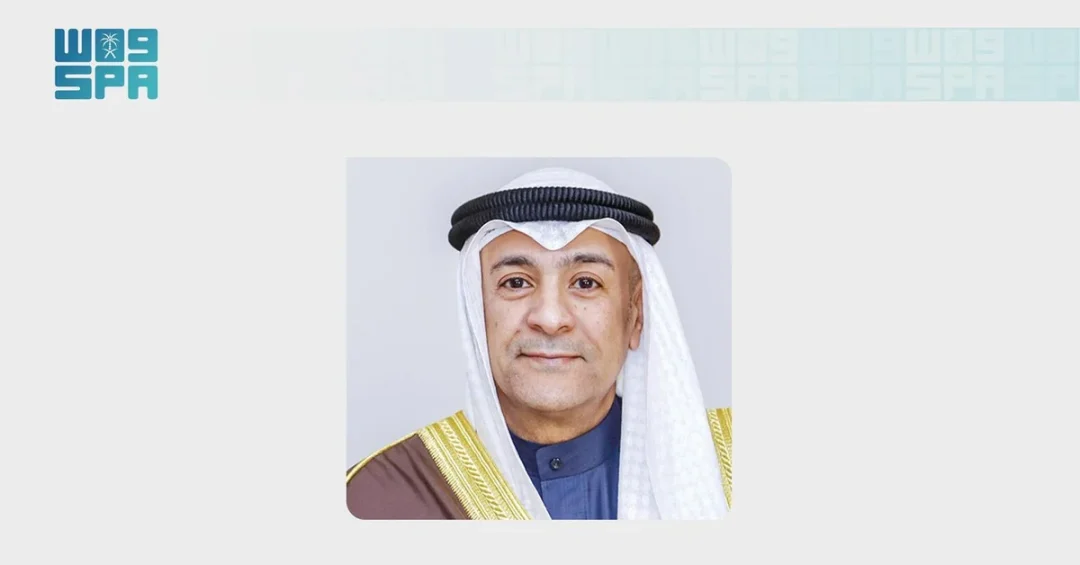
Manama, October 8, 2026 — The Secretary-General of the Gulf Cooperation Council (GCC), Jasem Albudaiwi, affirmed that social development, with a particular focus on the family and all segments of society, constitutes a fundamental pillar of joint Gulf action and remains among the foremost priorities of GCC leaders. His remarks were delivered during the 12th Meeting of the Committee of Ministers of Social Affairs and Social Development of the GCC, convened on Thursday in the Bahraini capital, Manama, under the chairmanship of Bahrain’s Minister of Social Development, Osama bin Saleh Al Alaw, who chairs the current session. The meeting brought together ministers responsible for social affairs and social development from across the GCC member states.
Context and Background
The GCC’s Committee of Ministers of Social Affairs and Social Development serves as a key platform for coordinating policies that directly affect the well-being of Gulf citizens. In his address, Albudaiwi underscored the committee’s significant and active role in advancing joint Gulf action in social development, especially concerning the family and community segments, amid rapid demographic growth. He noted that the GCC population exceeded 63 million in 2025, according to the latest figures from the GCC Statistical Center (GCC-Stat), highlighting the magnitude of the shared responsibility to formulate family and social policies capable of keeping pace with this growth and its accompanying transformations.
Key Details
Central to the discussion was the place of the child within the family, described by Albudaiwi as representing the future of Gulf societies and the primary investment in human development. Citing 2024 data, he pointed out that children under the age of 15 account for more than 20 percent of the total GCC population—over one-fifth of Gulf society—a figure that reinforces the imperative of continuously developing an integrated child care and protection ecosystem. He emphasized improving the quality of education and healthcare, safeguarding children from violence, abuse, and exploitation, and addressing emerging challenges posed by the digital world, including digital safety, privacy, and the safe, responsible use of modern technologies.
In the same vein, the secretary-general stressed the importance of placing older persons at the core of social policies. He noted that demographic projections indicate the number of elderly individuals (aged 65 and above) in GCC states may surpass 5.5 million by 2050. This shift, he said, necessitates developing social and health protection systems, promoting active aging, reinforcing the family’s role in elder care, and drawing upon their accumulated expertise and contributions to community development.
Implications and Impact
The discussions in Manama reflect a broader recognition within the GCC that demographic changes demand coordinated, forward-looking social policies. As the Gulf population grows and ages, member states are seeking to balance the needs of a youthful majority with the requirements of an expanding elderly cohort. The emphasis on child protection and digital safety aligns with global efforts to ensure that technological advancements do not compromise the well-being of young people. Meanwhile, the focus on active aging and elder care underscores a commitment to intergenerational solidarity, a value deeply rooted in Gulf societies. By addressing these issues collectively, the GCC aims to enhance social cohesion and sustain human development across the region.
Vision 2030 Alignment
Saudi Arabia’s Vision 2030 places human development and quality of life at its core, making the outcomes of this GCC meeting directly relevant to the Kingdom’s national transformation. The vision’s programs, such as the Quality of Life Program and the Human Capability Development Program, seek to empower families, protect children, and support the elderly, mirroring the priorities outlined by Secretary-General Albudaiwi. Through joint Gulf action, Saudi Arabia and its GCC partners are working to build resilient societies that can thrive amid rapid change, ensuring that economic progress is matched by social well-being and that no segment of society is left behind. As the GCC continues to deepen its integration, the family and society will remain central to its shared vision for a prosperous and stable future.
20 Questions
Q1. What did the GCC Secretary-General emphasize at the 12th Meeting of the Committee of Ministers of Social Affairs and Social Development?
A1. Jasem Albudaiwi emphasized that social development, particularly concerning the family and all segments of society, is a fundamental pillar of joint Gulf action and a foremost priority for GCC leaders.
Q2. Where and when was the 12th meeting held?
A2. The meeting was held on Thursday, October 8, 2026, in Manama, Bahrain, and was chaired by Bahrain’s Minister of Social Development, Osama bin Saleh Al Alaw.
Q3. Who attended the meeting?
A3. The meeting was attended by ministers responsible for social affairs and social development from all GCC member states, along with Secretary-General Jasem Albudaiwi.
Q4. What is the current population of the GCC according to recent figures?
A4. According to 2025 data from the GCC Statistical Center (GCC-Stat), the GCC population exceeded 63 million, underscoring the scale of shared responsibility for social policies.
Q5. What percentage of the GCC population is under 15 years old?
A5. Based on 2024 data, children under 15 years old account for more than 20 percent of the total GCC population, representing over one-fifth of Gulf society.
Q6. What does the Secretary-General say about the child in social development?
A6. He described the child as the future of Gulf societies and the primary investment in human development, stressing the need for an integrated child care and protection ecosystem.
Q7. What aspects of child welfare did Albudaiwi highlight?
A7. He highlighted improving education and healthcare quality, safeguarding children from violence, abuse, and exploitation, and addressing digital challenges like safety, privacy, and responsible technology use.
Q8. How many elderly individuals are projected in GCC states by 2050?
A8. Demographic projections indicate that the number of individuals aged 65 and above in GCC states may surpass 5.5 million by 2050, requiring enhanced social and health protection systems.
Q9. What does the Secretary-General propose for older persons?
A9. He stressed placing older persons at the core of social policies, promoting active aging, reinforcing the family’s role in elder care, and leveraging their expertise for community development.
Q10. Why is the family considered a key pillar of Gulf action?
A10. The family is seen as the foundation of Gulf society, and its stability and development are essential for achieving social cohesion and sustainable progress across GCC member states.
Q11. What role does the Committee of Ministers of Social Affairs play?
A11. The committee advances joint Gulf action in social development, coordinating policies on family and community issues and addressing demographic changes through collaborative strategies.
Q12. How does rapid demographic growth affect GCC social policies?
A12. Rapid growth increases demand for family and social policies that can keep pace with transformations, requiring continuous adaptation and investment in human development across the region.
Q13. What digital challenges for children were mentioned?
A13. The Secretary-General pointed to digital safety, privacy, and the safe, responsible use of modern technologies as emerging challenges that need to be addressed to protect children online.
Q14. What is the significance of investing in human development in the GCC?
A14. Investing in human development, especially through children, is seen as crucial for the future prosperity and stability of Gulf societies amid changing demographics and global challenges.
Q15. How does active aging contribute to community development?
A15. Active aging allows older persons to remain engaged, share expertise, and contribute to community development, while also reducing the burden on social and health systems.
Q16. What does the GCC Statistical Center do?
A16. The GCC Statistical Center (GCC-Stat) provides reliable data and statistics that inform policy-making and strategic planning across the Gulf Cooperation Council member states.
Q17. Why is intergenerational solidarity important in Gulf societies?
A17. Intergenerational solidarity, rooted in Gulf culture, ensures that the needs of both young and old are met, fostering social cohesion and preserving traditional values amid modernization.
Q18. How does this meeting align with Saudi Arabia’s Vision 2030?
A18. The meeting’s focus on family, child protection, and elder care aligns with Vision 2030’s Quality of Life and Human Capability Development programs, which aim to empower all segments of society.
Q19. What outcomes are expected from the committee’s discussions?
A19. The discussions are expected to lead to enhanced cooperation among GCC states, development of integrated social policies, and improved quality of life for all citizens in the region.
Q20. What is the overarching goal of joint Gulf action in social development?
A20. The overarching goal is to build resilient, cohesive societies that can thrive amid demographic changes, ensuring that economic progress is matched by social well-being and stability.
Reader Feedback
We value your thoughts. Please share your feedback on this article.
Your feedback helps us improve our coverage.