


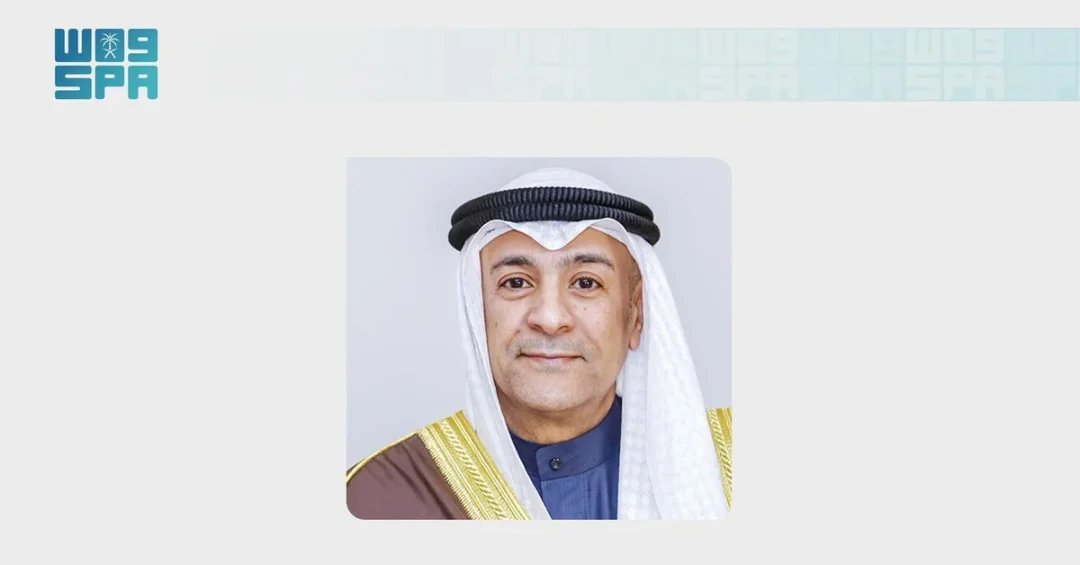
Secretary-General of the Gulf Cooperation Council (GCC) Jasem Albudaiwi affirmed that the Civil Service and Human Resources Development Strategy Action Plan 2026–2030 will strengthen the GCC’s achievements in civil service and human resources development. The announcement came during the 22nd meeting of the GCC Ministers and Heads of Civil Service Committee, held on Thursday in Manama, Bahrain, under the chairmanship of President of the Civil Service Bureau of the Kingdom of Bahrain and Chairman of the current session Shaikh Duaij bin Salman bin Duaij Al Khalifa, with the participation of ministers and heads of civil service from the GCC states.
Context and Background
The GCC has long pursued integration among its member states—Bahrain, Kuwait, Oman, Qatar, Saudi Arabia, and the United Arab Emirates—to enhance cooperation and improve the lives of citizens. The Civil Service and Human Resources Development Strategy Action Plan 2026–2030 builds on previous initiatives, including a Memorandum of Understanding (MoU) signed with leading companies specialized in building human resources databases. According to Albudaiwi, this MoU remains in force, enabling member states to continue benefiting from its advantages and opportunities.
He commended the tangible progress achieved in the previous period, thanks to the valued efforts and sound directives of the members of the Ministers and Heads of Civil Service Committee. The meeting underscored the importance of collective action and integration within the framework of one group.
Key Details
Albudaiwi highlighted that reports from several member states have reflected the benefits of the MoU, which has contributed to achieving its intended objectives, in addition to securing the best possible prices and terms. “This confirms the importance of the collective negotiation approach and its effectiveness in enhancing negotiating power and achieving maximum benefit for member states, based on joint action and integration within the framework of one group,” he explained.
The Secretary-General also indicated that the number of GCC citizens working in other member states has exceeded 25,000, including approximately 11,500 citizens working in the government sector. Additionally, statistics show that around 13,800 GCC citizens have benefited from the insurance protection extension system in other member states.
“These indicators reflect the tangible steps achieved in the GCC integration journey in the field of civil service, and the benefits and rights provided by GCC decisions to citizens of the member states. They also enhance employment, mobility and stability opportunities, consolidate the principle of equal treatment among GCC citizens, and support the foundations of a dignified life across the various member states,” Albudaiwi said. He concluded by commending the numerous efforts exerted by the GCC states to enhance the efficiency of their government employees and provide them with everything they need to perform their duties to the fullest extent, including advanced technology and artificial intelligence.
Implications and Impact
The Civil Service and Human Resources Development Strategy Action Plan 2026–2030 is expected to further deepen integration among GCC states, facilitating the movement of skilled professionals and promoting equal treatment. The success of the MoU demonstrates the effectiveness of collective bargaining, which can lead to better terms and prices for member states. This approach not only benefits government employees but also supports the broader goal of economic diversification and knowledge-based economies in the region.
For Saudi Arabia, which holds a leading role in the GCC, these developments align with its Vision 2030 objectives, particularly in enhancing human capital, improving government efficiency, and fostering regional cooperation. The Kingdom has been actively investing in technology and artificial intelligence to modernize its public sector, and the GCC-wide initiatives complement these efforts by creating a more integrated and competitive labor market.
Vision 2030 Alignment
The GCC’s Civil Service and Human Resources Development Strategy Action Plan 2026–2030 resonates with Saudi Arabia’s Vision 2030, which seeks to build a vibrant society, a thriving economy, and an ambitious nation. By promoting mobility, stability, and equal treatment among GCC citizens, the plan supports the free movement of talent and expertise, essential for innovation and economic growth. As the GCC continues to strengthen its integration journey, Saudi Arabia remains committed to regional collaboration and the advancement of public services, ensuring a prosperous future for all member states.
20 Questions
Q1. What did the GCC Secretary-General affirm regarding the Civil Service and Human Resources Development Strategy?
A1. Secretary-General Jasem Albudaiwi affirmed that the Civil Service and Human Resources Development Strategy Action Plan 2026–2030 will strengthen the GCC’s achievements in civil service and human resources development.
Q2. Where and when was the 22nd meeting of the GCC Ministers and Heads of Civil Service Committee held?
A2. The meeting was held on Thursday, October 8, 2026, in Manama, Bahrain, under the chairmanship of Shaikh Duaij bin Salman bin Duaij Al Khalifa.
Q3. Who chaired the 22nd meeting of the GCC Ministers and Heads of Civil Service Committee?
A3. The meeting was chaired by Shaikh Duaij bin Salman bin Duaij Al Khalifa, President of the Civil Service Bureau of the Kingdom of Bahrain and Chairman of the current session.
Q4. What is the significance of the MoU mentioned by the GCC Secretary-General?
A4. The MoU, signed with leading companies specialized in building human resources databases, remains in force and enables member states to benefit from advantages, opportunities, and better prices and terms through collective negotiation.
Q5. How many GCC citizens are working in other member states according to the statistics?
A5. The number of GCC citizens working in other member states has exceeded 25,000, including approximately 11,500 citizens working in the government sector.
Q6. How many GCC citizens have benefited from the insurance protection extension system?
A6. Around 13,800 GCC citizens have benefited from the insurance protection extension system in other member states.
Q7. What does the Civil Service and Human Resources Development Strategy Action Plan aim to achieve?
A7. It aims to strengthen the GCC’s achievements in civil service and human resources development, enhance employment and mobility, and support equal treatment among GCC citizens.
Q8. What did Albudaiwi say about the progress achieved in civil service?
A8. He commended the tangible progress achieved during the previous period, thanks to the valued efforts and sound directives of the members of the Ministers and Heads of Civil Service Committee.
Q9. How does the MoU contribute to the GCC integration journey?
A9. The MoU confirms the importance of collective negotiation, enhancing negotiating power and achieving maximum benefit for member states through joint action and integration.
Q10. What benefits do GCC decisions provide to citizens of member states?
A10. They enhance employment, mobility, and stability opportunities, consolidate equal treatment among GCC citizens, and support the foundations of a dignified life across member states.
Q11. What role does technology play in the GCC’s civil service development?
A11. Albudaiwi commended efforts to enhance the efficiency of government employees by providing advanced technology and artificial intelligence to help them perform their duties to the fullest extent.
Q12. Which countries are members of the GCC?
A12. The GCC member states are Bahrain, Kuwait, Oman, Qatar, Saudi Arabia, and the United Arab Emirates.
Q13. What is the duration of the Civil Service and Human Resources Development Strategy Action Plan?
A13. The action plan covers the period from 2026 to 2030, aligning with long-term development goals of the GCC states.
Q14. How does the strategy support Saudi Arabia’s Vision 2030?
A14. It aligns with Vision 2030 by enhancing human capital, improving government efficiency, fostering regional cooperation, and supporting a competitive labor market.
Q15. What did Albudaiwi say about the reports from member states?
A15. He said reports reflected the extent of benefit from the MoU, which contributed to achieving its objectives and securing the best possible prices and terms.
Q16. What is the insurance protection extension system?
A16. It is a system that extends insurance protection to GCC citizens working in other member states, benefiting around 13,800 individuals so far.
Q17. How does the strategy enhance equal treatment among GCC citizens?
A17. By promoting employment, mobility, and stability, the strategy consolidates the principle of equal treatment and supports a dignified life across member states.
Q18. What did Albudaiwi conclude his speech with?
A18. He commended the numerous efforts exerted by GCC states to enhance the efficiency of government employees and provide them with advanced technology and artificial intelligence.
Q19. What is the importance of collective negotiation in the GCC?
A19. Collective negotiation enhances negotiating power, secures better prices and terms, and achieves maximum benefit for member states through joint action and integration.
Q20. How does the GCC integration journey benefit citizens?
A20. It provides benefits and rights, enhances employment and mobility, ensures equal treatment, and supports a dignified life, reflecting tangible steps in civil service integration.
Reader Feedback
We value your thoughts. Please share your feedback on this article.
Your feedback helps us improve our coverage.