


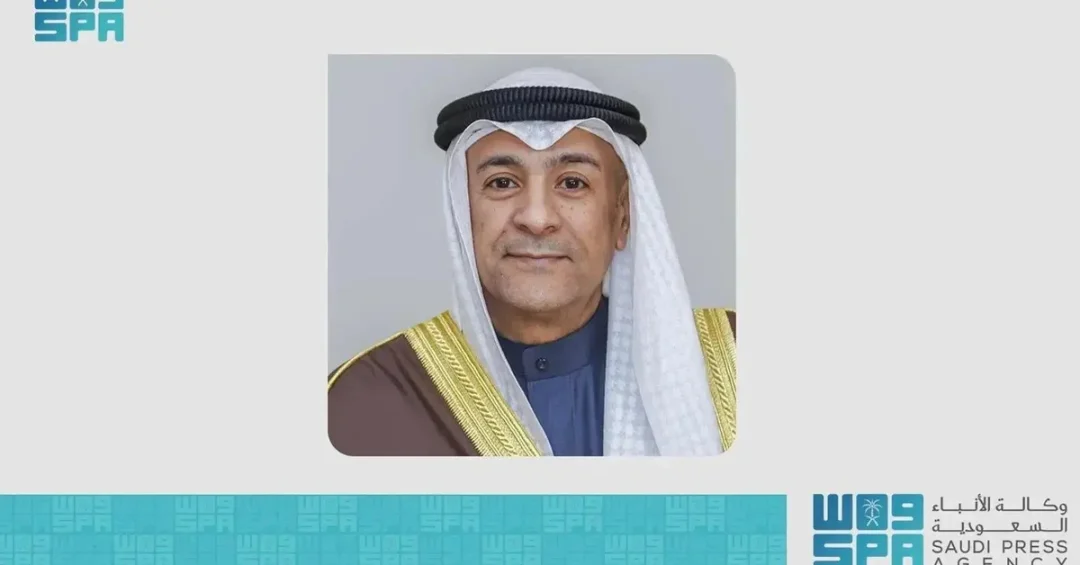
Riyadh, July 7, 2024 – The Secretary-General of the Gulf Cooperation Council (GCC), Jasem Mohamed Albudaiwi, met with a delegation from the Parliament of the Republic of Iraq, led by Sheikh Shaalan Abdul Jabbar Ali Al Karim, at the GCC General Secretariat headquarters in Riyadh. The meeting underscored the GCC’s steadfast commitment to Iraq’s stability and the strengthening of fraternal ties between the GCC states and Iraq. Discussions focused on enhancing cooperation and addressing regional developments of mutual interest.
Context and Background
The Gulf Cooperation Council, comprising Bahrain, Kuwait, Oman, Qatar, Saudi Arabia, and the United Arab Emirates, has long regarded Iraq as a vital partner in regional security and economic prosperity. The GCC Ministerial Council, in its 160th session, reaffirmed the member states’ constant positions and decisions toward brotherly Iraq, emphasizing support for all efforts to achieve security and stability in the country. This meeting builds on that foundation, reflecting the GCC’s ongoing diplomatic engagement with Iraq’s parliamentary leadership.
Iraq’s strategic location and shared cultural and historical bonds with the GCC states make it a key interlocutor in addressing regional challenges. The delegation included Karim Alaiwi, Jahoush Hasanein Al Khafaji, and Dr. Yaseen Al Aythawi, highlighting the breadth of Iraq’s parliamentary representation. The discussions in Riyadh signal a continued commitment to dialogue and cooperation.
Key Details
During the meeting, Secretary-General Albudaiwi emphasized that the stability of the Republic of Iraq holds priority and importance for the GCC states due to the fraternal relations and bonds of common cooperation that bind them. He reiterated the GCC’s support for Iraq’s security and stability, as outlined in the Ministerial Council’s statement. Both sides expressed a shared desire to enhance existing cooperation in ways that benefit both parties according to their common interests.
The talks also covered several topics of mutual interest and included an exchange of views on the latest regional and international developments. While specific agreements were not announced, the meeting itself represents a significant diplomatic step toward deeper engagement. The GCC’s engagement with Iraq’s Parliament reflects a comprehensive approach to regional diplomacy, recognizing the role of legislative bodies in fostering bilateral ties.
Implications and Impact
The meeting between the GCC Secretary-General and the Iraqi parliamentary delegation carries important implications for regional stability and cooperation. By engaging directly with Iraq’s parliamentarians, the GCC reinforces its commitment to Iraq’s sovereignty and territorial integrity. This dialogue can pave the way for increased economic, political, and security collaboration, benefiting both the GCC states and Iraq. It also sends a message of unity and shared purpose in addressing regional challenges.
For the international community, the meeting highlights the GCC’s proactive role in fostering stability in the Middle East. It demonstrates the GCC’s willingness to work with diverse partners to promote peace and development. As Iraq continues to rebuild and reintegrate into the regional fold, such engagements are crucial for sustaining momentum toward lasting stability and prosperity.
Vision 2030 Alignment
Saudi Arabia’s Vision 2030 emphasizes the importance of a stable and prosperous region as a cornerstone of its own development. The Kingdom’s leadership within the GCC, including hosting this meeting in Riyadh, aligns with its strategic objective to enhance regional cooperation and security. By supporting Iraq’s stability, the GCC contributes to an environment conducive to economic growth, investment, and cultural exchange—key pillars of Vision 2030. This engagement underscores Saudi Arabia’s role as a regional leader and its commitment to fostering partnerships that advance shared goals.
20 Questions
Q1. Who represented the GCC at the meeting with the Iraqi Parliament delegation?
A1. The GCC was represented by its Secretary-General, Jasem Mohamed Albudaiwi, who led the discussions at the General Secretariat headquarters in Riyadh.
Q2. Which Iraqi officials participated in the meeting?
A2. The delegation included Sheikh Shaalan Abdul Jabbar Ali Al Karim, Karim Alaiwi, Jahoush Hasanein Al Khafaji, and Dr. Yaseen Al Aythawi, representing the Parliament of the Republic of Iraq.
Q3. What was the primary focus of the meeting?
A3. The meeting focused on enhancing cooperation between the GCC states and Iraq, supporting Iraq’s stability, and exchanging views on regional and international developments of mutual interest.
Q4. Why does Iraq’s stability matter to the GCC states?
A4. Iraq’s stability is a priority due to fraternal relations and common bonds, as reiterated in the GCC Ministerial Council’s 160th session statement, which supports all efforts for security in Iraq.
Q5. What did Secretary-General Albudaiwi emphasize during the meeting?
A5. He emphasized that Iraq’s stability holds priority for the GCC states and highlighted the GCC’s constant positions and decisions toward brotherly Iraq, as stated by the Ministerial Council.
Q6. What did the GCC Ministerial Council’s 160th session address regarding Iraq?
A6. The session reaffirmed the GCC’s constant positions and decisions toward Iraq, emphasizing support for all ongoing efforts to achieve security and stability in the country.
Q7. How do both sides plan to enhance cooperation?
A7. Both the GCC states and Iraq look forward to enhancing existing cooperation in a way that benefits both parties according to their common interests, as discussed in the meeting.
Q8. What areas were discussed besides regional developments?
A8. Several topics of mutual interest were discussed, including ways to strengthen bilateral ties and address shared challenges. The meeting also included an exchange of views on latest international developments.
Q9. Where did the meeting take place?
A9. The meeting was held at the headquarters of the GCC General Secretariat in Riyadh, Saudi Arabia, underscoring Riyadh’s role as a hub for regional diplomacy.
Q10. When did the meeting occur?
A10. The meeting took place on July 7, 2024, as reported by the Saudi Press Agency, reflecting timely diplomatic engagement between the GCC and Iraq.
Q11. What is the significance of GCC-Iraq relations?
A11. GCC-Iraq relations are significant for regional stability, economic cooperation, and cultural ties. The GCC views Iraq as a vital partner in promoting peace and development in the Middle East.
Q12. How does this meeting align with Saudi Arabia’s Vision 2030?
A12. The meeting supports Vision 2030 by fostering regional stability and cooperation, which are essential for economic growth, investment, and cultural exchange, key pillars of the Kingdom’s long-term development plan.
Q13. What role does the Iraqi Parliament play in these discussions?
A13. The Iraqi Parliament delegation represents the legislative branch, playing a crucial role in shaping bilateral relations and supporting diplomatic efforts between Iraq and the GCC states.
Q14. What outcomes can be expected from this meeting?
A14. While no specific agreements were announced, the meeting strengthens diplomatic dialogue and sets the stage for enhanced cooperation in areas of mutual interest, benefiting both the GCC and Iraq.
Q15. How does the GCC support Iraq’s security and stability?
A15. The GCC supports Iraq’s security and stability through diplomatic engagement, as reaffirmed in the Ministerial Council’s 160th session, and by backing all ongoing efforts to achieve peace in Iraq.
Q16. What is the GCC’s overall approach to regional diplomacy?
A16. The GCC adopts a proactive approach, engaging with diverse partners like Iraq’s Parliament to promote dialogue, stability, and cooperation, addressing shared challenges and fostering regional integration.
Q17. How might this meeting impact GCC-Iraq economic ties?
A17. By enhancing cooperation, the meeting could lead to increased economic collaboration, investment opportunities, and trade, benefiting both parties and contributing to regional prosperity.
Q18. What message does this meeting send to the international community?
A18. It signals the GCC’s commitment to regional stability and its willingness to work with Iraq’s parliamentary leadership, promoting peace and development in the Middle East.
Q19. What are the next steps following this meeting?
A19. Follow-up actions may include further diplomatic exchanges and joint efforts to implement areas of cooperation discussed, with continued engagement between the GCC and Iraqi officials.
Q20. How does this meeting reflect Saudi Arabia’s leadership in the region?
A20. Hosting the meeting in Riyadh and facilitating dialogue demonstrates Saudi Arabia’s leadership within the GCC and its dedication to fostering regional partnerships that advance shared goals and Vision 2030 objectives.
Reader Feedback
We value your thoughts. Please share your feedback on this article.
Your feedback helps us improve our coverage.