


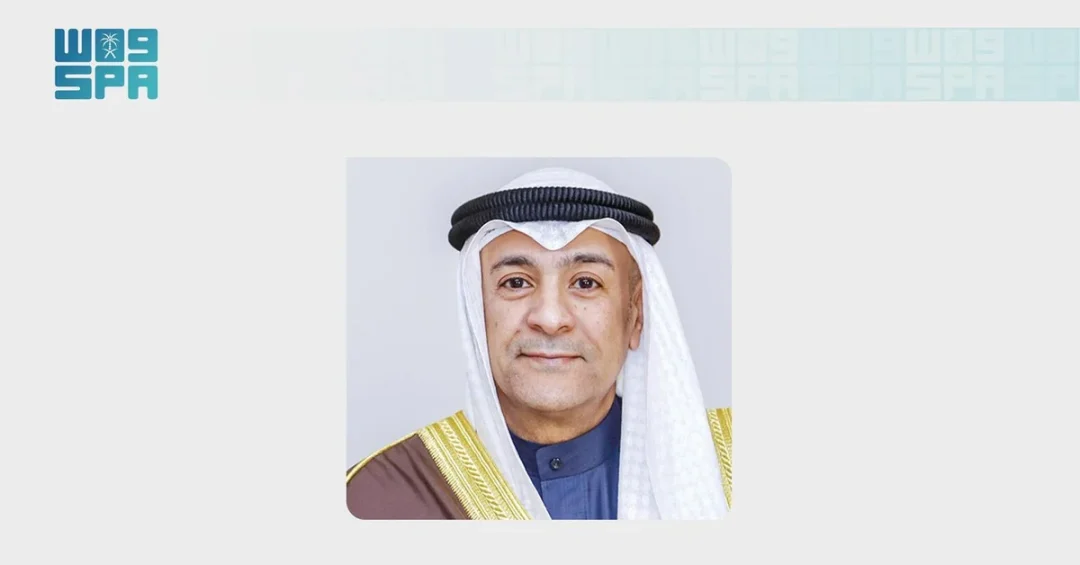
GCC Secretary-General Jasem Albudaiwi received Dr. Maria Luisa, Head of the Mediterranean, Middle East and Africa Programme at the Institute of International Affairs (IAI), at the GCC Secretariat in Riyadh today. The meeting, reported by the Saudi Press Agency, focused on strengthening ties between the Gulf Cooperation Council (GCC) and Italy, as well as exploring avenues for enhanced cooperation in regional stability and diplomacy.
Context and Background
The meeting comes amid growing engagement between the GCC and European partners, particularly Italy, which has a long history of diplomatic and economic relations with Gulf states. The IAI, an Italian think tank founded in 1965, plays a significant role in shaping policy discussions on Mediterranean, Middle Eastern, and African affairs, making the visit a bridge between Italian research and GCC strategic priorities.
Discussions emphasized the importance of bolstering communication and cooperation between the GCC and Italy, reflecting a shared interest in regional security, economic integration, and cultural exchanges. The GCC and Italy have previously collaborated on various projects, including energy, infrastructure, and humanitarian initiatives, underscoring a mutual commitment to sustainable development.
Key Details
During the meeting, both sides reviewed a number of topics of mutual concern, notably GCC-Italian relations. They examined proposals and initiatives to strengthen cooperation between the GCC states and the Institute, encompassing practical programmes and joint activities. These initiatives aim to foster knowledge exchange, research collaboration, and policy dialogue between Italian scholars and GCC think tanks.
Regional developments were also on the agenda, with both sides underscoring the significance of de-escalation and promoting security and stability through diplomacy and constructive dialogue. This alignment comes as the GCC continues to advocate for conflict resolution in the region, including the recent diplomatic efforts to address ongoing crises in the Middle East.
Implications
This meeting underscores the GCC’s proactive approach to building bridges with international think tanks and academic institutions. By engaging with the IAI, the GCC is not only enhancing bilateral ties but also fostering a deeper understanding of the region’s strategic challenges. The focus on de-escalation and dialogue aligns with broader international calls for peace and stability, positioning the GCC as a central mediator and facilitator in regional affairs.
For Italy, the engagement with the GCC through IAI could lead to more robust economic and diplomatic connections, particularly in areas like investment, technology transfer, and cultural exchange. The IAI’s expertise on Mediterranean and Middle Eastern affairs provides a valuable framework for discussing shared challenges and opportunities, such as climate change, migration, and digital transformation.
Vision 2030 Alignment
This meeting aligns with Saudi Arabia’s Vision 2030, which seeks to strengthen the Kingdom’s international relations and promote a stable and prosperous region. By fostering dialogue and cooperation with international institutions like the IAI, Saudi Arabia and the GCC are advancing a narrative of peace, diplomacy, and constructive engagement. The emphasis on de-escalation and security reflects a commitment to long-term regional harmony, directly contributing to the goals of Vision 2030 to position the Kingdom as a global hub for trade, culture, and policy. As the GCC continues to expand its network of strategic partnerships, initiatives like this are crucial for achieving sustainable development and regional integration.
20 Questions
Q1. Who received the Head of the Mediterranean, Middle East and Africa Programme at the Institute of International Affairs?
A1. The Secretary-General of the Gulf Cooperation Council (GCC), Jasem Albudaiwi, received Dr. Maria Luisa, who is the head of the programme at the Institute of International Affairs (IIA). The meeting took place in Riyadh, Saudi Arabia.
Q2. What is the Institute of International Affairs (IIA)?
A2. The IIA is an Italian research institute that focuses on international relations and strategic studies. It has a specialized programme on the Mediterranean, Middle East, and Africa, which analyzes regional political and economic dynamics and promotes policy dialogue.
Q3. What was the main topic of discussion during the meeting?
A3. The main topics were the strengthening of GCC-Italian relations and ways to enhance communication and cooperation between the GCC states and Italy. They also discussed proposals to boost cooperation with the IIA.
Q4. Why are GCC-Italian ties important?
A4. GCC-Italian ties are important for economic and political cooperation. Italy is a major European partner for the Gulf states, and enhancing ties promotes trade, energy security, and joint efforts on regional stability, benefiting both sides.
Q5. What is the role of the Institute of International Affairs?
A5. The IIA conducts research and provides policy recommendations on international affairs, particularly focusing on the Mediterranean, Middle East, and Africa. It facilitates dialogue between governments, academics, and business leaders to address global challenges.
Q6. How does the GCC work with think tanks like the IAI?
A6. The GCC collaborates with think tanks through joint research projects, conferences, and consultations. This allows for knowledge exchange, sharing of best practices, and development of forward-looking policies that benefit both parties and their partner nations.
Q7. What are the regional developments discussed?
A7. The meeting highlighted the importance of de-escalation and promoting security and stability in the region. They emphasized the need for diplomacy and constructive dialogue to resolve conflicts and achieve lasting peace.
Q8. How does this meeting support diplomatic dialogue?
A8. The meeting directly promotes diplomatic dialogue by opening channels of communication between the GCC and an influential Italian institute. Such interactions foster mutual understanding and pave the way for collaborative approaches to regional and global challenges.
Q9. What did the two sides agree on regarding regional security?
A9. Both sides underscored the significance of de-escalation and promoting security and stability through diplomacy and constructive dialogue. They agreed on the importance of non-escalatory measures and continuous diplomatic engagement.
Q10. How does this cooperation benefit Italy?
A10. Italy benefits through a stronger relationship with the GCC, which can lead to economic opportunities, improved energy security, and a deeper understanding of Gulf policies. The IIA’s research activities gain access to GCC insights.
Q11. What are the potential outcomes for the Institute of International Affairs?
A11. The Institute could expand its influence and knowledge network, gaining direct access to GCC perspectives and contributing to policy research. It may also facilitate partnerships for joint conferences and academic publications.
Q12. How does the GCC engage with European countries?
A12. The GCC engages through diplomatic visits, bilateral agreements, and forums like this one. These interactions aim to enhance political and economic partnerships, share best practices, and address global issues collectively.
Q13. What is the significance of the meeting taking place in Riyadh?
A13. Riyadh serves as the headquarters of the GCC and is a major political and economic hub. Holding the meeting in Riyadh underscores Saudi Arabia’s leadership role within the GCC and its commitment to fostering international cooperation.
Q14. How does this contribute to regional stability?
A14. By promoting dialogue and mutual understanding, the meeting supports regional stability by encouraging peaceful conflict resolution and cooperative strategies. It also signals a unified approach to addressing shared security threats.
Q15. What is the status of GCC-Italian relations historically?
A15. GCC-Italian relations have been strong historically, with Italy being a key trade partner and ally. There have been regular high-level visits and agreements on military, energy, and cultural exchange, laying a foundation for enhanced cooperation.
Q16. What are the implications for the Mediterranean region?
A16. Enhanced cooperation between the GCC and Italy can have positive implications for the Mediterranean region, including improved economic integration, security coordination, and joint initiatives to address migration and climate challenges.
Q17. How can the academic community contribute to international relations?
A17. Academic institutions provide data-driven research, neutral analysis, and innovative policy ideas that inform diplomatic strategies. They create platforms for non-official discussions, fostering trust and a deeper understanding between nations.
Q18. What is the role of the GCC in the global political landscape?
A18. The GCC plays a crucial role in energy markets, conflict resolution, and economic integration. It serves as a collective voice for Gulf states and acts as a mediator in regional disputes, enhancing its international influence.
Q19. How does this meeting contribute to sustainable development goals?
A19. By promoting stability and cooperation, the meeting indirectly contributes to sustainable development goals such as peace, justice, and strong institutions. Collaborative initiatives can also address shared challenges like climate change and poverty.
Q20. What should we look forward to after this meeting?
A20. We should look forward to tangible outcomes such as joint research programmes, more policy exchanges, and a deeper integrated relationship between the GCC and Italy. This visit paves the way for enhanced cooperation.
Reader Feedback
We value your thoughts. Please share your feedback on this article.
Your feedback helps us improve our coverage.